Gulf of Mexico is listed as one of the 66 Large Marine Ecosystems of the World with high endemism.
Unique fish species found in Gulf of California are Totoaba (Critically Endangered) and Vaquita Porpoise (Critically Endangered).
Reasons for decline in the population of Vaquita Porpoise
Main cause for the decline of population of Vaquita Porpoise is their incidental mortality in gillnets as bycatch.
They are mainly entangled in shrimp gillnets and nets set for totoaba.
Totoaba is a fish similar in size to Vaquita. Value of Totoaba has skyrocketed due to demand in black market for totoaba swim bladers in Hong Kong and China.
Vaquita Porpoise has low reproductive rate and limited geographical distribution which makes it high vulnerable to human disturbances.
Other reasons include increased urbanisation around Gulf of California and increased pollution.
Context: The Small Nuclear Reactors and Small Satelite Vehicles have increased the presence of private sector in these sectors, which may lead to cost efficient, environmentally sustainable and competitive future technologies.
Nuclear Fusion and Energy
Nuclear fission is a reaction where the nucleus of an atom splits into two or more smaller nuclei, while releasing energy.
For instance, when hit by a neutron, the nucleus of an atom of uranium-235 splits into two smaller nuclei, for example a barium nucleus and a krypton nucleus and two or three neutrons.
These extra neutrons will hit other surrounding uranium-235 atoms, which will also split and generate additional neutrons in a multiplying effect, thus generating a chain reaction in a fraction of a second.
Each time the reaction occurs, there is a release of energy in the form of heat and radiation.
The heat can be converted into electricity in a nuclear power plant, similarly to how heat from fossil fuels such as coal, gas and oil is used to generate electricity.
Nuclear Power Plant Working
In a nuclear reactor heat is produced through the chain reaction happening through the fission.
The heat warms the reactor’s cooling agent, typically water, to produce steam.
The steam is then channelled to spin turbines, activating an electric generator to create low-carbon electricity.
Small modular reactors (SMRs)
SMRs are advanced nuclear reactors that have a power capacity of up to 300 MW(e) per unit, which is about one-third of the generating capacity of traditional nuclear power reactors. SMRs, which can produce a large amount of low-carbon electricity, are:
Small – physically a fraction of the size of a conventional nuclear power reactor.
Modular – making it possible for systems and components to be factory-assembled and transported as a unit to a location for installation.
Reactors – harnessing nuclear fission to generate heat to produce energy.
Advantages of SMR
Given their smaller footprint, SMRs can be sited on locations not suitable for larger nuclear power plants.
refabricated units of SMRs can be manufactured and then shipped and installed on site, making them more affordable to build than large power reactors, which are often custom designed for a particular location, sometimes leading to construction delays.
SMRs offer savings in cost and construction time, and they can be deployed incrementally to match increasing energy demand.
In areas lacking sufficient lines of transmission and grid capacity such as rural areas, SMRs can be installed into an existing grid or remotely off-grid, as a function of its smaller electrical output, providing low-carbon power for industry and the population.
SMRs have reduced fuel requirements. Power plants based on SMRs may require less frequent refuelling, every 3 to 7 years, in comparison to between 1 and 2 years for conventional plants
In comparison to existing reactors, proposed SMR designs are generally simpler, and the safety concept for SMRs often relies more on passive systems and inherent safety characteristics of the reactor, such as low power and operating pressure.
Moore’s Law
Moore’s Law is a reductive title for the idea, first postulated by American engineer Gordon Moore in the 1960s, that approximately every two years, technology doubles the total number of transistors that manufacturers can squeeze into an integrated circuit. In general terms, it implies that computing power increases exponentially over time. A simplified definition of Moore’s Law indicates that the speed of individual microchips as well as the overall amount of computing power available doubles around every two years.
Small Satellite Launch Vehicle
Small Satellite Launch Vehicle (SSLV) is the new launch vehicle of ISRO capable of launching Mini, Micro or Nano satellites (10 to 500 kg mass) to 500 km planar orbit.
SSLV is a three-stage vehicle with all solid propulsion stages.
The satellite insertion into the intended orbit is achieved through a liquid propulsion-based Velocity Trimming Module (VTM).
Image Source: ISROImage source: India Today
Advantages:
Its has low production cost.
It has a low turnaround time.
It has high flexibility in accommodating multiple satellites.
It has launch-on-demand feasibility.
It needs minimal launch infrastructure requirements.
The advantage of SSLVs is that each rocket can be integrated within as short a span of time as 72 hours, against more than a month taken for other launch vehicles.
Context: Researchers studying the findings of the Solar Orbiter Aircraft, a joint mission by the European Space Agency and the U.S. space agency NASA, recently announced that they have detected picoflare jets from the sun’s outer atmosphere.
About Picoflare jets:
It is a tiny jet (plasma ejections) of charged particles emanating from the Sun's outer atmosphere.
According to the researchers, these charged small particle jets, which are ejected intermittently are a source of the solar wind. This flow is not actually uniform, the ubiquity of the jets suggests that the solar wind from coronal holes might originate as a highly intermittent outflow.
These widespread yet faint jets, only a few hundred kilometers across, were seen to last between 20 to 100 seconds, achieving speeds of approximately 100 kilometers per second. Their energy appears to be derived from magnetic reconnection.
Significance of Picoflare jets:
Due to their relatively low kinetic energies, researchers named these structures picoflare jets. Based on their calculations, they suggest that plasma outflows from these numerous, frequent picoflare jets, channeled along the open magnetic field lines of coronal holes, might supply a considerable amount of mass and energy to the solar wind throughout the solar cycle.
It has significant effects on the large-scale solar system as well as on Earth's magnetic field and poses risks to satellite electronics.
Solar Orbiter Aircraft
It is a next-generation solar-observing satellite developed by a collaboration between the European Space Agency (ESA) and NASA.
It was launched in 2020.
It will provide unprecedented details about the solar system and the images of the sun’s poles while investigating the heliosphere.
It is equipped with a suite of scientific instruments to observe the Sun up close and provide new insights into its behaviour, including its magnetic fields, solar wind, and how it influences the solar system.
Solar winds
The outermost layer of the Sun's atmosphere, known as the corona, is composed of extremely hot plasma. Some of this plasma escapes the Sun's gravitational pull and flows outward into space, creating the solar wind.
The solar wind is a stream of charged particles, primarily electrons and protons, that constantly blows away from the Sun and interacts with objects in the solar system, including the Earth.
Corona
It is the outermost layer of the Sun's atmosphere, extending millions of kilometers into space.
It is composed of extremely hot and tenuous plasma (ionized gas).
It is visible during a total solar eclipse as a pearly-white halo of light surrounding the dark disk of the Moon.
It is much hotter than the Sun's surface, with temperatures reaching millions of degrees Celsius.
Context: Scientists at the Indian Institute of Science (IISc) have developed a new approach using hybrid nanoparticles to potentially detect and kill cancer cells, especially those which form a solid tumour mass. The researchers have tested the nanoparticles on lung cancer and cervical cancer cell lines in the lab. They now plan to take the results forward for clinical development.
About Hybrid nanoparticles:
The IISc team created hybrid nanoparticles by combining gold and copper sulphide nanoparticles. They used a novel reduction method to deposit tiny seeds of gold onto the copper sulphide surface. The resulting hybrid nanoparticles are less than 8 nm in size.
Copper sulphide nanoparticles have previously received attention for their application in cancer diagnosis.
Gold nanoparticles can be chemically modified to target cancer cells and have shown anticancer effects.
These particles have photothermal, oxidative stress, and photoacoustic properties, the properties can be utilised to kill cancer cells using heat and enable their detection using sound waves.
Photothermal property: When light is shinedon these hybrid nanoparticles, they absorb the light and generate heat, which can kill cancer cells.
Oxidative stress: These nanoparticles produce singlet oxygen atoms that are toxic to the cancer cells.
Photoacoustic property: The photoacoustic property of the nanoparticles allows them to absorb light and generate ultrasound waves, which can be used to detect cancer cells with high contrast once the particles reach them.
Ultrasound waves generated from the particles allow for a more accurate image resolution as soundwaves scatter less when they pass through tissues compared to light.
Scans created from the generated ultrasound waves can also provide better clarity and can be used to measure the oxygen saturation in the tumour, boosting their detection.
Advantages:
The small hybrid nanoparticles can potentially travel inside tissues easily and reach tumours. Further, it is believed that their small size would also allow them to leave the human body naturally without accumulating.
The hybrid nanoparticle system can be integrated with existing systems of detection or treatment. For example, the nanoparticles can be triggered to produce heat by shining a light on them using an endoscope that is typically used for cancer screening.
Context: Leaders of India, Singapore, Bangladesh, Italy, USA, Brazil, Argentina, Mauritius and UAE have launched Global Biofuel Alliance on the sidelines of G20 Summit in New Delhi.
About Global Biofuel Alliance (GBA)
Global Biofuel Alliance is an initiative by India as the chair of G20 that aims to serve as a catalytic platform, fostering global collaboration for the advancement and widespread adoption of biofuels.
It is an alliance of governments, international organisations and industry to facilitate adoption of biofuels.
It brings together biggest consumers and producers of biofuels aiming to drive biofuels development and deployment and position biofuels as a key to energy transition and economic growth.
Global Biofuel Alliance intends to expedite the global uptake of biofuels through:
Facilitating technology advancements
Intensifying utilisation of sustainable biofuels
Shaping robust standard setting
Certification through the participation of a wide spectrum of stakeholders.
Facilitate mobilising a virtual marketplace to assist industries, countries, ecosystem players in mapping demand and supply and connecting technology providers to end users.
Facilitate development, adoption and implementation of internationally recognised standards, codes, sustainability principles and regulations to incentivise biofuels adoption and trade.
Act as a central repository of knowledge and an expert hub.
Partner countries and organisations of GBA
19 countries and 12 international organisations have already agreed to join the Global Biofuel Alliance.
G20 member countries part of GBA: Argentina, Brazil, Canada, India, Italy, South Africa and USA.
G20 invitee countries part of GBA: Bangladesh, Singapore, Mauritius & UAE
Non-G20 supporting GBA: Iceland, Kenya, Guyana, Paraguay, Seychelles, Sri Lanka, Uganda and Finland.
International Organisations:World Bank, Asian Development Bank, World Economic Forum, World LPG Organisation, UN Energy for all, UNIDO, Biofutures Platform, International Civil Aviation Organisation, International Energy Agency, International Energy Forum, International Renewable Energy Agency, World Biogas Association.
GBA Members constitute major producers and consumers of biofuels. USA (52%), Brazil (30%) and India (3%) contribute about 85% of global production of ethanol and 81% of global consumption of ethanol.
Context: With insecticide resistance in mosquitoes rising to alarming proportions, it has become imperative that newer approaches to mosquito control gain prominence. Gene-drive technology is one such approach, which has been used in outdoor trials in India, Brazil, and Panama.
Background:
Mosquitoes are insects that are known to transmit or serve as vectors for deadly diseases like dengue, malaria, Zika, lymphatic filariasis, and yellow fever.
The earliest known mosquitoes from the fossil record date back at least 70 million years, and evidence of mosquito-borne diseases like malaria dates back to Egyptian mummies from 2000 BC.
The rapid urbanisation of the world’s population has led to annual surges in mosquito-borne illnesses like dengue. Coupled with climate change, the mosquito-borne diseases have expanded into new territories. E.g., Indigenous cases of dengue in France in recent years.
Restraining Mosquito Population with CRISPR:
Using genome sequencing techniques, scientists have access to the whole genome sequences of multiple mosquito species.
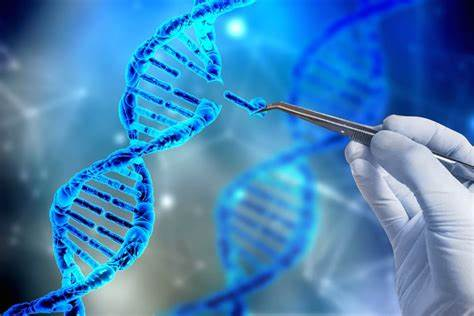
They have created a system that restrains populations of mosquitoes by leveraging advancements in Clustered Regularly Interspaced Short Palindromic Repeats (CRISPR) – based genetic engineering.
1. Gene drive technology:
Gene drive is a type of genetic engineering technique that can permanently change the traits of a population or even an entire species so that they do not follow the typical rules of heredity.
Gene drives are genetic elements that pass from parents to unusually high numbers of their offspring, thereby spreading quickly. Gene drives occur naturally but can also be engineered.
How does it work?
The gene drive technology is designed to introduce a genetic tweak in the population of a species by altering the rules of inheritance from parent to offspring.
Firstly, using the CRISPR gene editing tool, a gene called ‘doublesex’ in female mosquitoes is disrupted.
This genetic tweak of the double-sex gene follows gene drive inheritance. Here, the gene drive inheritance makes the female mosquitoes inherit two copies of the disrupted gene.
When the female mosquitoes inherit two copies of the disrupted gene, they develop like males and are unable to bite or lay eggs.
Unable to bite, those mosquitoes can not transmit malaria-causing parasites from their bodies to humans.
Sterile Insect Technique is an environmentally safe and proven technology to suppress wild populations.
Males do not transmit diseases, so the idea is to release more and more sterile males.
The population of mosquitos can be suppressed without relying on harmful chemicals and insecticides.
To further advance its utility, a novel CRISPR-based technology, termed precision-guide Sterile Insect Technique (pgSIT) is described. pgSIT is a new scalable genetic control system that uses a CRISPR-based approach to engineer deployable mosquitoes that can suppress populations.
It alters genes linked to male fertility—creating sterile offspring—and female flight in Aedes aegypti, the mosquito species responsible for spreading diseases including dengue fever and chikungunya.
pgSIT mechanistically relies on a dominant genetic technology that enables simultaneous sexing and sterilization, facilitating the release of eggs into the environment and ensuring only sterile adult males emerge. The system is self-limiting and is not predicted to persist or spread in the environment.
pgSIT eggs can be shipped to a location threatened by mosquito-borne disease or developed at an on-site facility that could produce the eggs for nearby deployment.
Once the pgSIT eggs are released in the wild, sterile pgSIT males will emerge and eventually mate with females, driving down the wild population as needed.
Associated Risks:
Drastic reduction in the mosquito population could alter food chains and ecosystems that involve mosquitoes. So, it is likely that the gap in the food chain could be ‘invaded’ by other mosquitoes or other insects.
Other unintended consequences can be unforeseen ecological disruptions or the potential for engineered genes to spread beyond target mosquito populations.
Hence, some of these concerns are valid and require extensive data collection, close monitoring, and multistakeholder discussions surrounding the adoption of these technologies.
In 2017, the release of the Periodic Labour Force Survey (PLFS) brought attention to India's unemployment rate, which reached a historic high of 6.1%.
However, the more recent PLFS data for 2021-22 indicates a reduction in unemployment to 4.1%, though it still exceeds the levels seen in some developed countries.
To understand how these figures are derived, we need to delve into the concept of unemployment and how it is measured in India.
Unemployment Defined
Unemployment refers to the situation when an individual who actively seeks employment is unable to secure a job. In this context, someone who has lost a job but isn't actively seeking another is not considered unemployed.
The labour force comprises individuals aged 15 or older who are either employed or actively seeking employment.
The unemployment rate is calculated as the percentage of the labour force represented by individuals willing to work and actively searching for a job.
Challenges in Measuring Unemployment in India
Assessing unemployment in India is challenging due to the informal nature of many jobs.
Unlike developed economies, where individuals typically hold year-round positions, Indian workers often engage in various roles throughout the year. This makes it difficult to categorize them as employed or unemployed consistently.
To address this complexity, the National Sample Survey Office (NSSO) employs two primary measures to classify individuals' working status: the Usual Principal and Subsidiary Status (UPSS) and the Current Weekly Status (CWS).
The UPSS relies on an individual's primary activity over a more extended period (usually the previous year), while the CWS considers a shorter reference period of a week.
This distinction results in UPSS unemployment rates typically being lower than CWS rates because it's more likely that someone will find work over a year compared to a week.
These nuanced definitions sometimes lead to an "underestimation" of unemployment but were designed to capture the informal economy's dynamics.
Additionally, the Centre for Monitoring Indian Economy employs a daily reference period, resulting in a higher estimated unemployment rate but lower labor force participation rates due to the unpredictability of daily work in the informal sector.
Major Causes of Unemployment in India
Shift Away from Agriculture: Many workers are leaving farming, but there hasn't been a corresponding increase in non-farm employment opportunities.
Traditional Factors: Disguised unemployment in agriculture, limited focus on labor-intensive sectors like textiles and leather, and economic slowdowns due to events like the COVID-19 pandemic and the Russia-Ukraine war.
Infrastructure and Manufacturing: Inadequate growth of infrastructure and low investments in the manufacturing sector.
Social Norms: Regressive social norms that discourage women from joining or continuing to work.
Population Growth: Rapid population growth exacerbates the employment challenge.
Lack of Skills and Education: Insufficient vocational skills and low education levels among the workforce.
Women's Participation: Low participation of women in the workforce, influenced by mechanisation in agriculture and the nature of India's manufacturing sector.
Quality of Jobs: Many jobs are of poor quality, characterised by informality and vulnerability.
Shrinking Public Sector: A decline in direct recruitment in central government ministries and departments.
Rural Economy Transformation: Shifting from traditional agriculture to value-added activities like horticulture.
Infrastructure Improvement: Enhancing rural infrastructure to promote sustainable growth in rural industries.
Entrepreneurship Promotion: Encouraging entrepreneurial opportunities and investment in traditional manufacturing sectors.
Social Security: Strengthening social security measures for workers in the informal sector.
Women's Participation: Increasing government procurement from women-led enterprises, providing training in new technologies, and addressing access to capital and childcare.
Informal Economy Enhancement: Building a more productive informal economy through reskilling and upskilling of workers.
Unemployment Insurance: Introducing a centralised unemployment insurance scheme for all unemployed individuals and addressing existing benefit scheme bottlenecks.
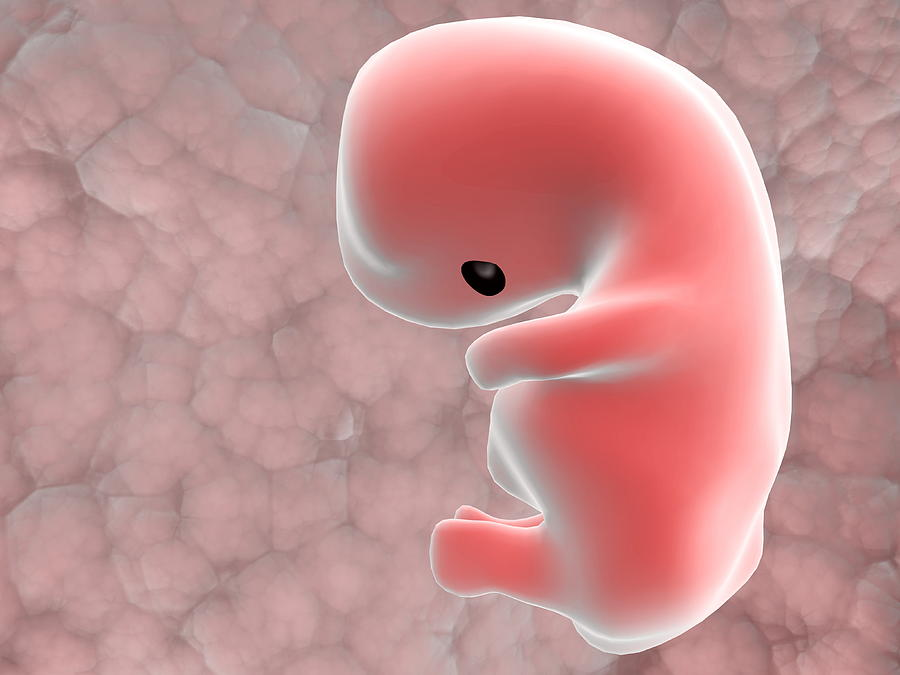
Context: Israel researchers have successfully created a "human embryo" in the lab without using traditional egg and sperm.
Fetal Development: A Process that Create Life
Fertilisation: The journey of embryo development begins with fertilization, which occurs when a sperm cell from a male and an egg cell from a female merge.
Fertilization typically takes place in the fallopian tube, forming a zygote, which is the initial single-celled structure that carries the full genetic material (46 chromosomes) of the future individual.
Cleavage: After fertilization, the zygote undergoes a series of rapid cell divisions called cleavage.
These divisions produce a cluster of cells called a morula, which eventually develops into a blastocyst.
Blastocyst Formation: The blastocyst is a hollow ball of cells with an outer layer known as the trophoblast and an inner cell mass.
The trophoblast will give rise to structures like the placenta, while the inner cell mass forms the embryo itself.
Implantation: The blastocyst travels through the fallopian tube into the uterus, where it undergoes implantation. Implantation involves the attachment of the blastocyst to the uterine lining (endometrium).
The trophoblast cells play a crucial role in this process, as they invade the endometrial tissue to establish a connection with the mother's blood supply.
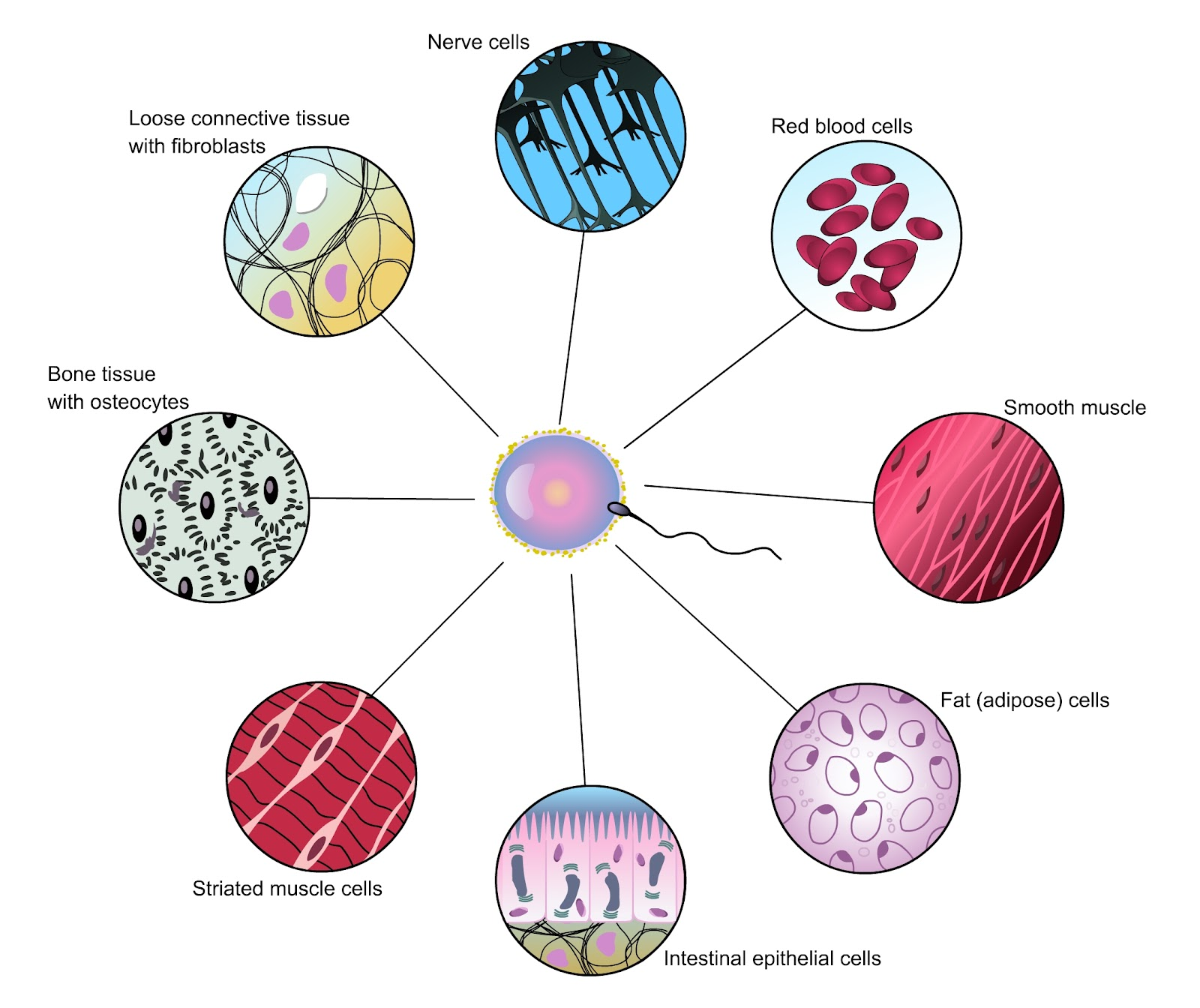
Gastrulation: Gastrulation is a fundamental process that takes place during embryonic development.
It involves the reorganization of cells in the inner cell mass into three primary germ layers: the ectoderm (outer layer), mesoderm (middle layer), and endoderm (inner layer).
These germ layers give rise to different tissues and organs in the body.
Neurulation: Neurulation is a specific event during gastrulation that gives rise to the nervous system. The neural tube forms from the ectoderm and eventually develops into the brain and spinal cord.
Organogenesis: Organogenesis is the process of organ formation, where the three germ layers differentiate and give rise to specific organs and structures.
It includes the development of the heart, lungs, liver, kidneys, and various other organs.
Fetal Development: Once the major organ systems have formed, the developing embryo is referred to as a fetus.
The fetal period involves further growth and maturation of the organs and tissues.
Birth: Human embryo development culminates in childbirth, typically occurring around the 38th to 40th week of pregnancy.
New Development in Research on Embryo Development
Lab Grown Embryo
This lab-grown embryo is considered one of the most complete models of a 14-day-old human embryo.
Multiple research teams are working on developing similar human embryo-like models, although none fully replicate the entire early embryo development process.
Lab-grown embryo models are not intended for use in pregnancy, their purpose is to study the early stages of fetal development.
Method used by the Israel’s Researchers
Researchers in Israel utilized a combination of stem cells and chemicals.
They achieved this by utilizing stem cells, which are early cells capable of differentiating into various cell types.
These stem cells spontaneously assembled to form an embryo-like structure, mimicking the molecular characteristics of an early embryo.
A small portion of this mixture spontaneously assembled into various types of cells, including those forming the fetus, providing nutrients to the fetus, establishing the body's developmental plan, and creating structures like the placenta and umbilical cord.
One challenge they faced was that only 1% of the mixture assembled spontaneously, making the process relatively inefficient.
Challenges to Embryo research
While they mimic aspects of development, they are not surrogate human embryos.
Ethical constraints make it challenging to study the early stages of embryo development after implantation in the uterus.
In most countries, it is legally accepted to destroy these models after studying them and attempts to implant them are not permitted.
There is no way for scientists to ethically research the early stages of development of an embryo, as it is difficult to study it after it implants in the uterus.
14 Days Limit on Embryo Research
The 14-day limit on embryo research was proposed in the UK in 1979.
It coincides with the natural endpoint of embryo implantation. After this point, cells begin to differentiate, and the embryo takes on the characteristics of an individual.
This limit is based on ethical considerations, particularly related to the development of the "Primitive Streak," which signifies the transition from radial to bilateral symmetry in the embryo.
Importance of the research
Lab-grown embryo-like models serve as alternatives for studying early developmental processes.
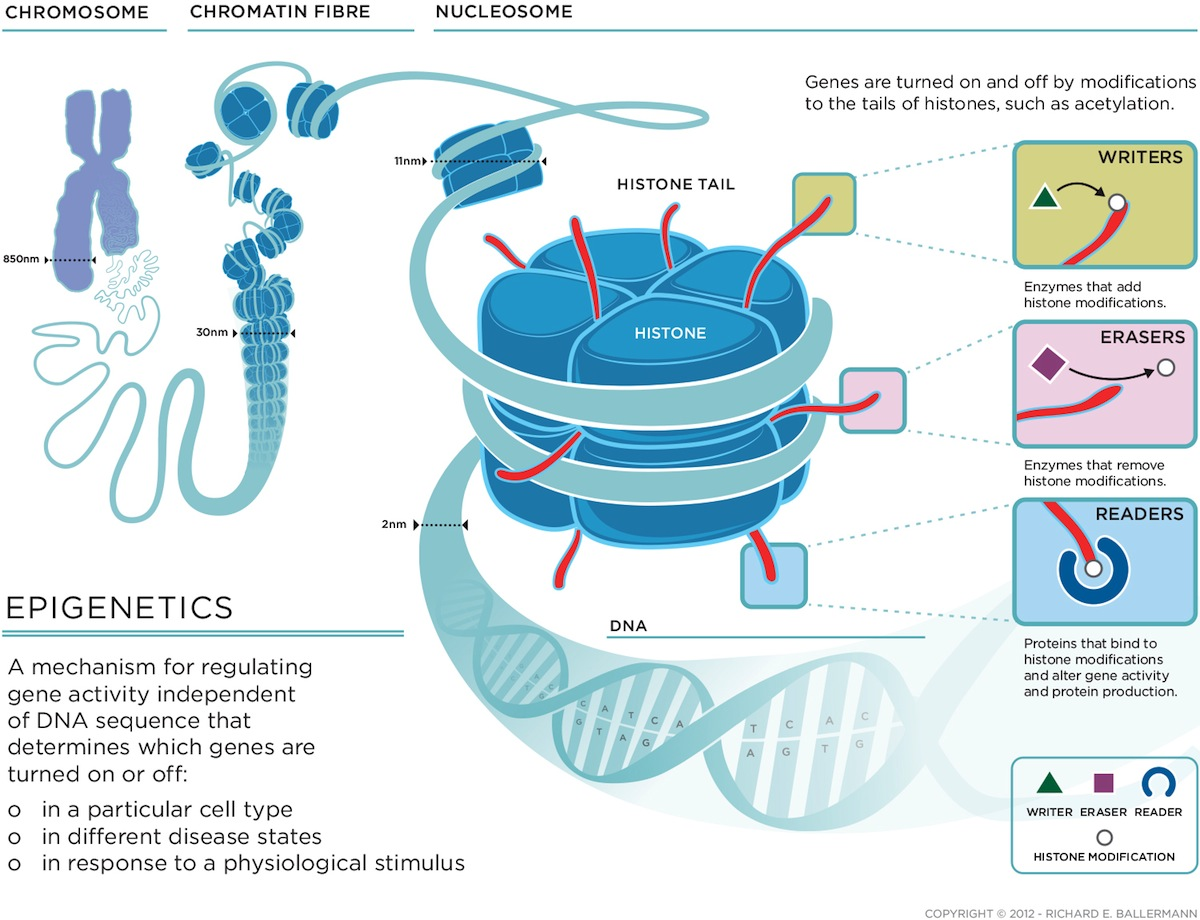
These models allow scientists to explore genetic, epigenetic, and environmental effects on developing embryos, providing insights into disease mechanisms and potential genetic treatments.
Research during the initial days of embryo development is critical as most miscarriages and birth defects occur during this period.
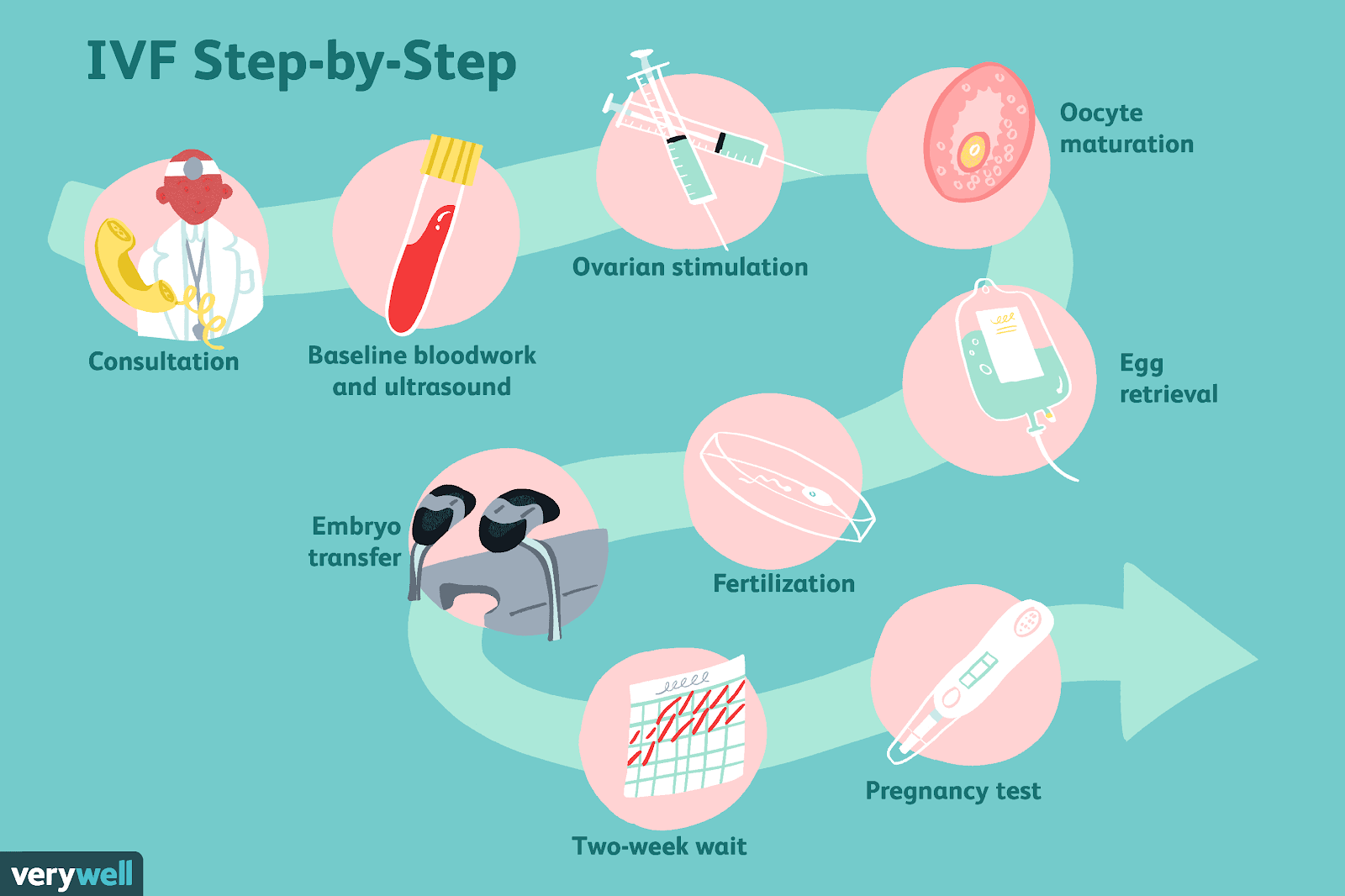
Studying these stages can enhance the understanding of genetic and inherited diseases and potentially improve in vitro fertilization success rates.
Embryo models have provided insights into errors during DNA duplication.
These models revealed that errors can occur earlier in the duplication process than previously assumed, impacting subsequent cell division.
These models help scientists understand the roles of various genes in fetal development, enabling manipulation for research purposes.
Terms
Human Embryo
A human embryo is the earliest stage of human development, typically referring to the first eight weeks after conception. It is characterized by the rapid division and differentiation of cells as the embryo develops into various tissues and organs.
Stem Cells
Stem cells are undifferentiated cells that have the unique ability to develop into different types of specialized cells in the body. In this context, they are used to create the embryo model.
Embryonic Stem Cells
Embryonic stem cells are pluripotent cells derived from the inner cell mass of an early-stage embryo. They have the potential to become any cell type in the body.
Differentiation
Differentiation is the process by which stem cells or precursor cells transform into specific cell types with distinct functions and characteristics.
Foetus
The fetus is the later stage of human development after the embryo, typically beginning around the ninth week of pregnancy and lasting until birth.
Placenta
The placenta is an organ that develops during pregnancy and provides nutrients and oxygen to the developing fetus while also removing waste products.
Umbilical Cord
The umbilical cord is a flexible tube-like structure that connects the fetus to the placenta, allowing for the exchange of nutrients, oxygen, and waste between the fetus and the mother.
In Virto Fertilisation
IVF is a medical procedure in which an egg is fertilized by sperm outside the body, typically in a laboratory dish, and then implanted into the uterus to facilitate pregnancy.
Genetic Code
The genetic code is the sequence of DNA bases that determines the genetic information and traits of an organism.
Epigentics
Epigenetics refers to changes in gene expression and cellular characteristics that are not caused by alterations in the DNA sequence itself but are influenced by external factors and chemical modifications.
Chromosomes
Chromosomes are thread-like structures in the cell nucleus that contain genetic information in the form of DNA. They are responsible for carrying and transmitting genetic traits.
Gene Manipulation
Gene manipulation involves altering the genetic material of an organism, often for research purposes, to understand the role of specific genes in development and function.
Context: Researchers in the RIKEN Nishina Center for Accelerator-Based Science, in Japan have used Self-Confining Radioactive Isotope Target (SCRIT) to find the internal structure of unstable Casesium-137 nuclei.
Historical Context
Henri Becquerel discovered that uranium gives off invisible rays that affected photographic film in 1896.
Madam Curies built upon his work, named the phenomenon radioactivity and was also able to discover other radioactive elements.
Rutherford's work
By studying the absorption of radioactivity by thin sheets of metal foil, Rutherford was able to find at least two components of the radiation, which he named α (alpha) and β (beta).
Rutherford was also able to prove that radioactivity involved the transmutation of one element to another and discovered the concept of radioactive half-life.
Experiment of Ernest Rutherford, Hans Geiger, and Ernest Marsden
In this experiment, radioactive decay of radium generated a beam of alpha particles which were directed normally onto a very thin sheet of gold foil placed in an evacuated chamber.
Using a zinc sulfide screen at the focus of a microscope, particles deflected at any given angle could be detected.
The actual results of the experiment showed that even though many alpha particles passed through as expected, many others were deflected and very few through angles larger than 90 degrees.
Rutherford said about the result that “it was almost incredible as if you fired a 15-inch shell at a piece of tissue paper and it came back and hit you.”
Conclusion drawn from the experiment:
Rutherford rejected J. J. Thomson’s plum pudding model and instead proposed his own planetary model.
This model comprised of a high central charge concentrated into a very small volume when compared to the atom, with this central volume also accounting for the bulk of the atomic mass.
Experimental Setup to Probe a Normal Nucleus: Robert Hofstadter’s Apparatus
Robert Hofstadter developed an apparatus for studying nuclei’s internal structure.
Matter is composed of atoms with small nuclei surrounded by electrons.
A high-energy electron beam from an accelerator was directed towards nuclei and by examining the scattering of the electrons, he could investigate how charges were distributed.
He also investigated how the magnetic moment within the nuclei’s protons and neutrons was distributed.
Physicists were able to ‘see’ inside stable atoms, and then inside their nuclei, by using other particles.
Nuclei were thereby proven not to be homogeneous, but to have internal structures.
Based on these interactions, understanding of how charges and magnetic fields are arranged inside a nucleus was developed.
Electron Scattering for Short-lived Unstable Nuclei
The setup for probing internal structure used thin foils which contained numerous nuclei
The new setup uses an apparatus to hold the nuclei of caesium-137 atoms as well as making sure electrons can interact with them, using a system called SCRIT (Self Confining Radioactive Isotope Target).
Method
Production of caesium-137 ions (atoms stripped of electrons)
At first the researchers accelerated electrons in a particle accelerator to energise them.
After that they smashed them into a block of uranium carbide.
This produced a stream of caesium-137 ions (atoms stripped of electrons).
This isotope of caesium produced has a half-life of around 30 years.
The target Cs (137) ions were trapped with a new target-forming technique that makes a high-density stationary target from a small number of ions by confining them in an electron storage ring.
Transporation to SCRIT
The ions were then transported to the SCRIT system.
This system enables trapping the target ions in three dimensions along the electron beam using the electric attractive force between the ions and the electrons.
Using ion beam generation and beam-stacking system enables us to extract the caesium-137 unstable nuclei as a pulsed beam immediately after the photofission of uranium.
This results in an increasing chance of overlapping between the target caseium ions and the electron beam.
SCRIT allowed the researchers to achieve this with as few as 108 caesium-137 ions.
Without SCRIT, they would have required a trillion-times more.
Light do Add and subtract
When light is shined through a tiny, round hole, the shadow on the opposite wall will be concentric circles of light and dark patches. This is because different parts of a light wave passing through the hole are forced to interfere with each other, creating the characteristic interference pattern on the wall.It can be understood as somewhere light adds and creates more light and somewhere else light subtracts and leads to a dark spot.
Studying of Electron-ion Interaction
When an electron is scattered by an atom’s nucleus, it behaves like a wave during the interaction. Once scattered off, the electron-waves interfere with each other.
The physicists used a device called a magnetic spectrometer to record the resulting interference pattern.
Information about a nucleus can be more readily obtained from the electrons’ interference patterns.
Significance:
The development of this setup is significant because it allows scientists to probe the nuclear structure of short-lived atomic nuclei using electron scattering, leading to a better understanding of nuclear physics.
The obtained angular distribution of elastically scattered electrons is consistent with a calculation.
This success marks the realization of the anticipated femtoscope which clarifies the structures of exotic and short-lived unstable nuclei.
“femtoscope," a tool that can probe the femtometer scale of atomic nuclei (10^-15 meters).
Using it we can probe the structures of some unstable nuclei have been hypothesised to have a non-uniform density of protons and neutrons.
With it the hope is that a unifying theory of nuclear structure will be found somewhere in the gaps between expected and unexpected shapes.
This tool can help tackle the longstanding problem of explaining the structure of atomic nuclei and potentially shed light on phenomena like the "island of stability."
Future Implications the potential for the femtoscope to reveal new insights into the structures of nuclei that are expected to have unique shapes, including non-uniform density and unusual behavior.
Terms
Radiation
Refers to the emission of particles or electromagnetic waves from a source. It can include various forms of energy, such as X-rays or alpha particles.
Atoms
The fundamental units of matter, consisting of a nucleus (composed of protons and neutrons) and electrons orbiting around the nucleus. Atoms are the building blocks of all chemical elements.
Nucleus
The central part of an atom where most of its mass and positive charge are concentrated. It is also known as the atomic nucleus.
Electron Scattering
A technique in which electrons are directed at a target material to probe its internal structure. The scattering pattern of the electrons provides information about the target's composition.Electron scattering provides essential information on the internal structure of atomic nuclei.
Half-Life
The time it takes for half of a radioactive substance to decay or for half of a sample of particles to undergo a particular process. For example, Caesium-137's half-life is approximately 30 years.
Magnetic Spectrometer
A device used to measure the energy and momentum of charged particles, such as electrons, by analyzing their paths as they pass through a magnetic field.
Interference Pattern
A pattern of alternating light and dark regions produced when waves, such as electrons, interact with each other constructively and destructively, resulting in regions of higher and lower intensity.
Femtoscope
A hypothetical machine or apparatus capable of probing the femtometer scale, which is a unit of length equal to 10^-15 meters. In this context, it refers to a tool used to study the structure of atomic nuclei at an extremely small scale.
Isotopes
Atoms of the same chemical element that have the same number of protons but a different number of neutrons. Isotopes of an element may have different physical properties, such as stability and radioactivity.
Magic Number
In nuclear physics, a "magic number" refers to a specific number of protons or neutrons in the atomic nucleus that results in increased stability. The concept is used to explain why certain nuclei are more stable than others.
Island of stability
Usually, the heavier the nucleus of an unstable element, the faster it will decay via radioactivity. But scientists have found some isotopes that decay slower than their ‘heaviness’ would suggest.This cluster is called the island of stability because these nuclei are unusually more stable.
Context: India must contribute towards drawing up an international space resource management framework that balances competing objectives in pursuit of the use of outer space for peaceful purposes.
What is outer space?
From the perspective of an individual on Earth, outer space is a zone that occurs about 100 kilometres (60 miles) above the planet.
Outer space is the expanse that exists beyond Earth and between celestial bodies.
Outer space is not empty but contains a low density of particles (predominantly a plasma of hydrogen and helium) as well as electromagnetic radiation, magnetic fields, neutrinos, dust, and cosmic rays.
The Karman line at an altitude of 100 km above sea level, is conventionally used as the start of outer space in space treaties and for aerospace records keeping.
What are the related agreements and conventions?
The Outer Space Treaty (1967): Treaty on Principles Governing the Activities of States in the Exploration and Use of Outer Space, including the Moon and Other Celestial Bodies.
The Rescue Agreement (1968): Agreement on the Rescue of Astronauts, the Return of Astronauts and the Return of Objects Launched into Outer Space.
The Liability Convention (1972): Convention on International Liability for Damage Caused by Space Objects.
The Registration Convention (1976): Convention on Registration of Objects Launched into Outer Space.
The Moon Agreement (1984): Agreement Governing the Activities of States on the Moon and Other Celestial Bodies.
Outer Space Treaty (1967): The Treaty on Principles Governing the Activities of States in the Exploration and Use of Outer Space, including the Moon and Other Celestial Bodies forms the basis of international space law.It prevents any claims of national sovereignty and permits all states to freely explore outer space.It entered into force on 10 October 1967. As of August 2023, 114 countries are parties to the treaty including the US, Russia, China, and India.Key Prohibition:Prohibits placing of nuclear weapons in space.Limits the use of the Moon and all other celestial bodies to peaceful purposes only.
Establishes that space shall be free for exploration and use by all nations, but that no nation may claim sovereignty of outer space or any celestial body.Exclusion:It does not ban military activities within space, military space forces, or the weaponization of space, except the placement of weapons of mass destruction in space.It is mostly a non-armament treaty and offers insufficient regulations to newer space activities such as lunar and asteroid mining.
What are Global commons?
Traditionally, “global common” is used to define those parts of the planet that fall outside the sovereignty of any state. The term is used typically to describe supra-national and global resource domains in which common-pool resources are found. The UN identifies four “global commons”, namely the high seas, the atmosphere, Antarctica and the outer space.
In the absence of an authoritative definition, “global commons” could be viewed from two lenses. First rooted in geopolitical or military relevance - it is not surprising that security establishments across the world recognise domains beyond the national jurisdictions, including the high seas, the air space outside territorial bodies of a state, and outer space, as vital connecting channels for the international order.
Others recognise outer space as a vital operational domain for keeping their nation safe while upholding international law.
Second, “global common” is viewed based on the economic and commercial implications of shared resources, which could be overused by some at the expense of others, regardless of national jurisdiction. “Commons” is seen as constraining because it is associated with notions of shared ownership, public governance or limitations on use.
What are the associated issues and why there is a need for better governance of outer space?
Outdated space laws: Space laws do not have a dispute settlement mechanism, are silent on collisions and debris and offer insufficient guidance on interference with others’ space assets.
State-centric legislation: The legal framework is state-centric, placing responsibility on states alone. However, non-state entities are now in the race for commercial space exploration and utilisation. Some states are providing frameworks for resource recovery through private enterprises as it is not expressly forbidden for non-state actors. E.g., According to NASA, the asteroid named 16 Psyche is so rich in heavy metals that it is worth $10,000 quadrillion. So, there is a risk of starting a race for mineral exploration among both state and non-state actors.
Misuse of strategic position: Reliance of militaries on satellite systems means that space assets become potential targets. E.g., Satellite constellations are commercial but governments can use their data to monitor military movements.
Increased space debris: The issues of overcrowded and congested space are becoming real. The Kessler syndrome, where a collision between two space objects could set off a cascading chain reaction, cannot be dismissed. Given the speed at which space objects travel—around 17,000 miles an hour—any collision between two objects in space could set in motion a disastrous turn of events with more and more collisions, creating an unmanageable amount of space debris.
Technological advances: Although on Earth, natural resources are being exhausted, many of them are present on celestial bodies, including asteroids, in enormous quantities. Technological advances have made it possible to mine even space.
Role of space in meeting sustainable development goals: Space applications and technology directly and indirectly prevent and reduce poverty, for example, through disaster monitoring and response – and through supporting other Sustainable Development Goals. Earth observation data is used to improve coffee quality and productivity in Timor-Leste, increasing the revenue of coffee growers. Satellite data are essential for mapping and monitoring natural and protected areas, fishing vessel tracking and navigation, monitoring illegal fishing, assessing marine and coastal health and identifying algal blooms. Land surface monitoring, biodiversity monitoring, the monitoring of poaching and smuggling routes, deforestation, forest fire risk, vegetation health and the protection of endangered species all benefit from space-derived data.
What is the concept of space sustainability?
Space sustainability is the concept to use outer space for peaceful purposes and socio-economic benefits to meet present needs without compromising needs of future generations.
Initiatives on Space Sustainability:
Indian: Project NETRA by ISRO to monitor space debris to aid planning on protecting space assets. IS4OM platform to aid Space Situational Awareness by providing accurate information on on-orbit collision, fragmentation, hazardous asteroids, space weather forecast etc. 2+2 dialogue between India and U.S. for monitoring space objects.
Global: UN Committee on Peaceful Uses of Outer Space, 2019 adopted 21 voluntary, non-binding guidelines to ensure long-term sustainability of outer space activities.Summit for Space Sustainability- global summit focused on developing solutions for space sustainability. Space Sustainability Rating by World Economic Forumto score sustainability of spaceflight operators to encourage responsible behaviour in space.
Context: Central Consumer Protection Authority under the Ministry of Consumer Affairs, Food & Public Distribution has Draft Guidelines on Prevention and Regulation of Dark Patterns.
Draft Guidelines on Prevention and Regulation of Dark Patterns
These guidelines have been issued under the Consumer Protection Act, 2019 by the Central Consumer Protection Authority for prevention and regulation of dark patterns.
These guidelines will apply to all platforms offering goods and services in India, advertisers and sellers.
The guidelines bars any person or platform to engage in any dark patterns.
These guidelines have defined Dark Patterns and specified what constitutes dark patterns.
DEFINITION OF DARK PATTERNS
Any practice or deceptive design patterns using UI/UX (user interface/user experience) interactions on any platform which is designed to mislead or trick users to do something they originally did not intend or want to do by subverting or impairing the consumer autonomy, decision making or choice which amounts to misleading advertisement or unfair trade practice or violation of consumer rights.
Specified dark patterns
False Urgency: Falsely stating or implying the sense of urgency or scarcity so as to mislead a user into making an immediate purchase or take an immediate action, which may lead to a purchase.
Basket sneaking: Inclusion of additional items such as products, services, payments to charity/donation at the time of checkout from a platform, without the consent of the user, such as that the total amount payable by the user is more than the amount payable for the product/service chosen by the user.
Confirm shaming: Using a phrase, video, audio or any other means to create a sense of fear or shame or ridicule or guilt in the mind of the user to nudge the user to act in a certain way
Forced action: Forcing a user into taking an action that would require the user to buy any additional good(s) or subscribe or sign up for an unrelated service, to buy or subscribe to the product/service originally intended by the user.
Subscription trap: It is the process of:
Making cancellation of a paid subscription impossible or a complex and lengthy process.
Hiding cancellation option for a subscription.
Forcing a user to provide payment details and/or authorisation for auto debits for availing a free subscription.
Making instructions related to cancellation of subscription ambiguous, latent, confusing and cumbersome.
Interface interference: A design element that manipulates the user interface in ways that highlights certain specific information, obscures other relevant information relative to information being highlighted to misdirect a user from taking an action desired by her.
Bait and switch: Practice of advertising a particular outcome based on the user's action but deceptively serving an alternative outcome.
Drip pricing: It is a practice whereby:
Elements of prices are not revealed upfront or are revealed surreptitiously within the user experience.
Revealing price post-confirmation of purchase i.e., charging an amount higher than the amount disclosed at the time of checkout.
A product or service is advertised as free without appropriate disclosure of fact that
Disguised advertisement: Practice of posing, masking advertisements as other types of content such as user generated content or new articles or false advertisements.
Nagging: A dark pattern due to which users face an overload of requests, information, options or interruptions which is unrelated to the intended purchase of goods or services, which disrupts the intended transaction.
About Central Consumer Protection Authority
Central Consumer Protection Authority is an authority provided by the Consumer Protection Act, 2019 which was to be notified by the Central Government.
Main aims of CCPA is to regulate unfair trade practices and false or misleading advertisements which are prejudicial to the interests of public and consumers and to promote, protect and enforce the rights of consumers as a class.
CCPA consists of a Chief Commissioners and Commissioners who are appointed by Central Government.
CCPA has an investigation wing headed by Director General for conducting inquiry or investigation under the Consumer Protection Act, 2019.
District Collector may, on a complaint or a reference made to him by CCPA or Commissioner of a regional office, inquire into or investigate complaints regarding violation of rights of consumers as a class, violation of consumer rights, unfair trade practices and false or misleading advertisements, within his jurisdiction and submit his report to CCPA or Commissioner of a regional office.
Functions of Central Consumer Protection Authority are:
Protect, promote and enforce rights of consumers as a class and prevent violation of consumer rights under the Consumer Protection Act, 2019.
Prevent unfair trade practices and ensure that no person engages himself in unfair trade practices.
Ensure that no false or misleading advertisement is made of any goods or services which contravenes the provisions of Consumer Protection Act, 2019.
Ensure that no person takes part in publication of any advertisement which is false or misleading.
Inquire or investigate into violations of consumer rights or unfair trade practices, either suo moto or on a complaint or on directions of central government.
File complaints before District Commission, State or National Commission as the case may be under the Consumer Protection Act, 2019.
Intervene in any proceedings before district, State or National Commission in respect of any allegation of violation of consumer rights of unfair trade practice.
Review matters relating to inhibition of enjoyment of consumer rights and recommend remedial measures for their effective implementation.
Recommend adoption of international covenants and best international practices on consumer rights to ensure effective enforcement of consumer rights.
Undertake and promote research in the field of consumer rights.
Spread and promote awareness on consumer rights.
Encourage NGOs and other institutions working in the field of consumer rights to cooperate and work with consumer protection agencies.
Mandate the use of unique and universal goods identifiers in such goods to prevent unfair trade practices and to protect consumers' interest.
Issues safety notices to alert consumers against dangerous or hazardous or unsafe goods or services.
Advise Ministries and Departments of Central and State Governments on consumer welfare measures.
Issue necessary guidelines to prevent unfair trade practices and protect consumers' interest.