Current Affairs

How to manage India’s solar PV waste problem?

Context - In the last few years, there has been a concerted push from policymakers in India to transition to a circular economy and to, among other things, enable effective waste management. But waste management in the solar photovoltaic (PV) sector still lacks clear directives.

What is PV waste?

  • It is the electronic waste (e-waste) generated by discarded solar panels and Photo-voltaic (PV) devices.
  • Photovoltaic (PV) devices contain semiconducting materials that convert sunlight into electrical energy. 
  • A single PV device is known as a cell, and these cells are connected together in chains to form larger units known as modules or panels. 
  • Although up to 90% of the components are recyclable, many PV modules contain heavy metals such as cadmium, copper, lead, antimony or selenium, and when they are taken out of service or broken, they may be classified as hazardous waste.

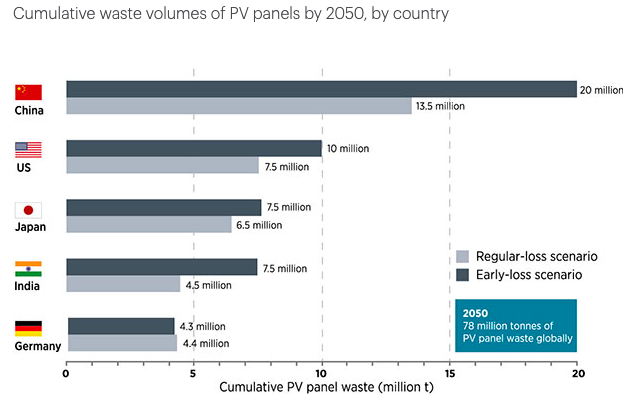
While photovoltaics generate only about 3 percent of global electricity, they consume 40 percent of the world’s tellurium, 15 percent of the world’s silver, a substantial chunk of semiconductor-grade quartz and lesser amounts of indium, zinc, tin and gallium. A report, prepared jointly by the International Renewable Energy Agency (IRENA) and the International Energy Agency Photovoltaic Power Systems Programme (IEA-PVPS) highlights that recycling or repurposing solar PV panels at the end of their roughly 30-year lifetime can unlock an estimated stock of 78 million tonnes of raw materials and other valuable components globally by 2050. If fully injected back into the economy, the value of the recovered material could exceed USD 15 billion by 2050.

Present status of Solar PV waste in India

  • According to a report prepared by the National Solar Energy Federation of India, India could generate over 34,600 tonnes of cumulative solar waste in India by 2030. 
  • India currently considers solar waste a part of electronic waste and does not account for it separately. Moreover, there is no commercial raw material recovery facility for solar e-waste operational in India.
  • A committee had been constituted under the chairmanship of the Ministry’s Secretary to propose an action plan to evolve a “circular economy” in solar panel, through reuse/recycling of waste generated.
Iyqd qWoT G5zyajf94X5OfuAE69RxAmgTMM9hbdlLADZLrjwRW9yRgl7cMEInfZi4rOcOx64bpmon724UwVxmhVG0fQ1Gu9dlaoheZ8Eh3YTl0tet6QP

Challenges in India

  • Informal handling - Only about 20% of the waste is recovered in general; the rest is treated informally. As a result, the waste often accumulates at landfills, which pollute the surroundings. Incinerating the encapsulant also releases sulphur dioxide, hydrogen fluoride, and hydrogen cyanide into the atmosphere.
  • No segregation – PV waste is clubbed with e-waste in India generally. 
  • High cost of recycling - Recycling a solar panel cost between $20 and $30, according to the National Renewable Energy Laboratory; sending it to a landfill costs $1-2.
  • Lack of incentives - The market to repurpose or reuse recycled PV waste is minuscule in India due to a lack of suitable incentives and schemes in which businesses can invest.

What can we do about them?

  • Promote recycling - According to a 2021 report, approximately 50% of the total materials can be recovered. The domestic development of PV waste recycling technologies must be promoted through appropriate infrastructure facilities and adequate funding. New business models, incentives or issues of green certificates to be provided to encourage the recycling industry to participate more.
  • Environmental disposal and recycling of solar waste could be part of the power purchase agreement SECI / DISCOMS / government signs with project developers.
  • Dedicated Policy formulation - India should formulate and implement provisions specific to PV waste treatment within the ambit of the e-waste guidelines. EPR for the manufacturer and developers to take responsibility for end-of-life the solar panel. 
  • Ban on Landfills: Solar panel waste is harmful to the environment as it contains toxic metals and minerals that may seep in the ground.
  • Central insurance or a regulatory body should be set up to protect against financial losses incurred in waste collection and treatment. 
  • Research and Development: Innovation in design may have an impact on the type of waste they generate; technology advancements will be significant in reducing the impact of renewable energy waste. New panels, for example, use less silicon and produce less waste during the manufacturing process.
  • Awareness drives - Pan India sensitisation drives and awareness programmes on PV waste management will be beneficial.

Global best practices

Europe - EU imposes responsibility for the disposal of waste on the manufacturers or distributors who introduce or install such equipment for the first time.UK - PV producers will need to register and submit data related to products used for the residential solar market (B2C) and non-residential market.

Australia - announced a $2 million grant as part of the National Product Stewardship Investment Fund to develop and implement an industry-led product stewardship scheme for PV systems.
ICAR-World Bank’s ‘Delhi declaration’ moots digitisation of Agri- Education

Context: Recently the three-day international conference on ‘Blended Learning Ecosystem for Higher Education in Agriculture 2023’, which was jointly hosted by the Indian Council of Agricultural Research (ICAR) and the World Bank, has come out with a ‘Delhi declaration’.

What is the Delhi declaration?

  • The declaration stresses the need to strengthen digital infrastructure, including e-learning content, and deployment of emerging immersive technologies across agricultural higher education institutions in India.
  • It emphasizes creating a renewed and resilient system for the gender-inclusive and sustainable agriculture education sector.
  • Multidisciplinary technology-facilitated education should be promoted and the policies on science, technology, engineering, agriculture and mathematics (STEAM) in agricultural higher education need to be transformed, the declaration said.

Captive employment initiative under Deen Dayal Upadhyaya Kaushalya Yojana

Context: Recently Union Ministry of Rural Development onboarded 19 Captive Employers, a unique initiative under the Deen Dayal Upadhyaya Grameen Kaushalya Yojana (DDU-GKY). 

What is Captive Employment?

  • ‘Captive Employment’, is a first-of-its-kind initiative aimed at addressing the vision of a dynamic and demand-based skilling ecosystem catering to the requirements of industry partners assuring sustainable placements for rural poor youth. 
  • The initiative is a shot in the arm for the DDU-GKY programme, assuring post-training placement of candidates for a minimum of six months with a minimum CTC of Rs 10,000/-. 
  • This program will be a big boon for the rural poor to augment their job needs and improve their standard of living. This program shall also contribute to sustainable development goals.
  • The selected CAPTIVE EMPLOYERS will be providing training to rural poor youth in their respective industries, namely, hospitality, apparel & textiles, manufacturing, IT/ITeS, telecom, retail, Power etc. 
  • During the event, Memorandums of Understanding (MoU) was signed with 19 Employers to engage as captive employers in the ambitious initiative by the Ministry of Rural Development (MoRD) for providing livelihoods to the rural youth under the DDU-GKY programme.

About DDU-GKY:

  • Deen Dayal Upadhyaya Grameen Kaushalya Yojana (DDU-GKY) is a placement-linked skilling program of the Ministry of Rural Development under the aegis of the National Rural Livelihood Mission (NRLM). 
  • This program caters to rural poor youth. 
  • The program is currently being implemented in 27 States and 4 UTs for rural poor youth with an emphasis on placements. 
  • More than 877 PIAs (Project Implementation Agencies) are training rural poor youth in about 616 job roles through more than 2,369 training centres. 
  • A total of 14.08 lakh candidates have been trained and 8.39 lakh candidates placed since inception under the programme.
  • With changing times and changing aspirations of rural youth, the programme is transforming its Guidelines and Standard Operating Procedures. 
  • DDU-GKY 2.0 Guidelines are in the advanced stage of finalisation in the ministry. This new version of the program aspires to improve by skilling the ecosystem and making it more job oriented.

Indian Biological Data Centre (IBDC)

Indian Biological Data Centre is India’s first national repository of life science data at Faridabad, Haryana at the Regional Centre of Biotechnology.

What is IBDC?

It will archive all life-science data generated from publicly funded research in India without any infringement on intellectual property. Intellectual property of the data remains solely with the owner of data.

  • IBDC has a data storage capacity of about 4-petabytes and houses the Brahm – High Performance Computing facility. 
  • The repository is being funded by Department of Biotechnology, under Ministry of Science & Technology.
  • Data on the nucleotide data, protein data, human genome, crop genome, RNA, medical imaging, disease and surveillance data would be stored in the unique facility. 
  • It has accumulated over 200 billion bases from over two lakh submissions from more than 50 research labs across India. 
  • IBDC is being developed in a modular fashion wherein different sections would typically deal with particular type/s of life science data.

indian biological data centre has started data submission services via two data portals:

  1. Indian Nucleotide Data Archive (INDA): Data shared with this portal is actively synced with International Nucleotide Sequence Database Collaboration and is simultaneously assigned IDs from both IBDC and INSDC repositories. 
  2. Indian Nucleotide Data Archive – Controlled Access (INDA-CA): Data shared with this is not shared with any international repositories and remains under ‘controlled access’ as per the user requirements. Users would decide who can access the data. 

Users are free to submit data to any of these repositories as their needs.

International Nucleotide Sequence Database Collaboration (INSDC)

  • INSDC is the core infrastructure for sharing nucleotide sequence data and their subsidiary information called metadata in the public domain. 
  • The collaboration is comprised of three nodes that keep the identical information through a daily data exchange process that has operated over 30 years. 
  • INSDC provides uniform policy of free & unrestricted access to all of data records their databases contain, with no restrictions on access, redistribution or republication of data. 

Members of INSDC

  1. DNA Data Bank of  Japan (DDBJ) at National Institute of Genetics in Mishima, Japan.
  2. European Nucleotide Archive (ENA) at the European Molecular Biology Laboratory’s European Bioinformatics Institute (EMBL-EBI) in UK. 
  3. GenBank at National Centre for Biotechnology Information (NCBI).

Quantum Communication

Context: At the first International Quantum Communications Conclave in New Delhi in March 2023, it was announced that India’s first quantum computing-based telecom network link is operational. 

  • The secure line is between Sanchar Bhawan and the National Informatics Centre at the Central Government Offices (CGO) complex in Delhi.

Quantum communication 

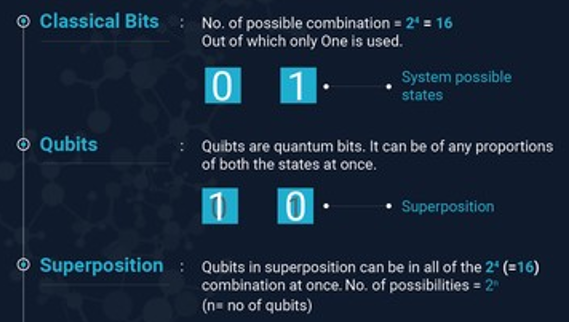
  • Quantum communication is an amalgamation of quantum mechanics and modern communication and Information Technology to study data transmission and processing. It takes advantage of the laws of quantum physics to protect data and securely transmit data.
  • Conventionally, sensitive data is encrypted and sent through fibre optic cables with a digital “key” to decrypt the information. This data is transmitted in classical binary bits (0s and 1s), which makes it vulnerable to hackers who can read and copy it without a trace. Theoretically, this makes these networks ultrasecure. 
  • However, in a quantum communication network, data is transmitted via quantum bits or qubits. Qubits are particles, usually photons of light, in a superposition state, i.e., they can be in multiple states and represent numerous combinations of 0 and 1. If a hacker tries to read this data, the qubits would “collapse” from their fragile quantum state to either a 0 or 1, thereby leaving a clear trace of external activity. 
k o7Ij72w0o3wiY1NXNpYgNVZTZhRO3xhGN 5X3EyDo5x6nFBkKBue18iI7imgruNspg9YW8KpzNd8WxcO5BIzJF8Zy8VysTV EUxRpd6qEQ4uBXXQciQwadLx 15dLfiFLgIYVsVvEJpF3VkAsPfA

Data encryption in a quantum communication network

  • Companies have recognised the additional security offered by quantum communication networks and have taken to transmitting sensitive data through a process called quantum key distribution (QKD).
    • QKD involves the transmission of encrypted data as classical bits over networks while the decryption key is encoded and transmitted in a quantum state using qubits.
    • The most widely used scheme for this is the BB84, the world’s first quantum cryptography protocol.

Concerns

  • Theoretically, Quantum Communication networks are highly secure, with the built-in security of qubits and the simplified traceability of external interference in the signal. However, these are predicated on the assumption that the machines used in the data encryption and transmission are secure and perfect, which may not be the case.
  • The decay of the signal due to decoherence and the need for quantum repeaters for long-distance transmission is a systemic vulnerability that needs to be addressed.
    • Quantum repeaters are nodes where the quantum keys are decrypted into bits and re-encrypted in a fresh quantum state to avoid signal loss. 

Bio-Bitumen

Context: As per the Ministry of Road and Highways, making bitumen from agricultural waste such as rice husk can help save up to ₹30,000 crores annually in import bills.

Major Highlights

  • India requires around 80 lakh tonnes of bitumen annually for roads. Of this, around 50 lakh tonnes are provided by domestic refineries for processing crude oil, and around 25-30 lakh tonnes are imported costing around 25,000-30,000 crore.  
  • Recently, the Council of Scientific and Industrial Research (CSIR) and the Central Road Research Institute (CRRI) have developed technology to make bitumen from rice husk, which is supposed to be better than bitumen extracted from crude oil.
    • This makes 70% bitumen and the rest is biochar or organic carbon. Organic char can enhance farm productivity. 
  • The Ministry envisions opening up to 1,000 such units in rural India to produce bio-bitumen and completely do away with the burning of husk or agri-waste which leads to pollution. It would benefit the farmers in states such as Delhi, Punjab, Haryana and Uttar Pradesh.
SeEcGrM1Hxl0YeGTJQPh6DqaOJPpqelH32rAsQTBCBn1Pk

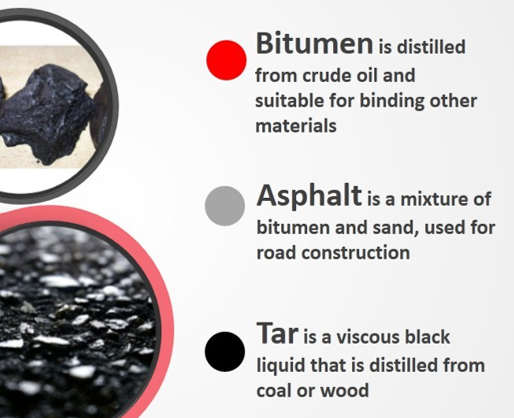
Bitumen

  • Bitumen is a dense, highly viscous, petroleum-based hydrocarbon produced during the refining process or distillation of crude oil. Bitumen is known for its waterproofing and adhesive properties and is commonly used in the construction industry, notably for making roads and highways. 

Bio-bitumen would play a significant role as a road construction material to replace the fossil-based version while curbing CO2 emissions and boosting the bio-economy.

Nitrosamines

Context: European Food Safety Agency has recently warned that cancer-causing chemical compounds called nitrosamines have been detected in various everyday foods and could pose a health risk to consumers.

  • Nitrosamines are a class of chemical compounds that are known to be potentially carcinogenic (cancer-causing) to humans. They are formed when nitrites and amines, which are commonly found in many food and beverage products, react with each other under certain conditions, such as high temperatures or acidic environments.
  • Nitrosamines have been detected in cured meat, processed fish, cocoa, beer, and other alcoholic drinks.
  • Meat is the most important food group contributing to nitrosamine exposure.
  • Exposure to nitrosamines has been linked to an increased risk of various types of cancer, including stomach, colon, and pancreatic cancer. They can also have other adverse effects on health, including liver damage, respiratory problems, and reproductive toxicity.
  • To reduce the risk of exposure to nitrosamines, it is recommended to limit consumption of processed meat and other foods that contain nitrites, as well as to ensure proper storage and preparation of these products. Additionally, individuals can choose to consume organic and nitrate-free food products to further minimize exposure to nitrosamines.

Constitutional bodies fighting corruption under attack, says PM Modi

Context: 

  • Prime Minister Narendra Modi on Tuesday launched a scathing attack against what he termed conspiracies by forces within and outside the country to undermine constitutional institutions that were cracking down on corruption and the corrupt. 
  • India is the world's largest democracy and has a well-established constitution that lays down the framework for its governance. Constitutional bodies are an integral part of the Indian democratic system, established to ensure the proper functioning of the government and safeguard the rights of its citizens. 
  • These bodies are independent, autonomous, and have their own powers and functions, which are enshrined in the constitution. From the Election Commission of India to the CAG, these bodies play a crucial role in upholding the principles of democracy, promoting accountability, and ensuring transparency in the functioning of the government. 
  • This write-up will provide a overview of the various constitutional bodies in India, their functions, and their significance in the country's democratic setup.

So it is important for us to cover the constitutional bodies along following items: (EXCEPT GST COUNCIL)

  • Articles in the constitution
  • Appointing authority
  • Tenure & Removal
  • Immunities
  • Eligible for further Appointment. 
  • Powers

Union Public Service Commission

  • It is the …… Well, if you are reading article this far the chances are that you already know what UPSC is. 
  • Articles: 315 – 323
  • Composition: 9 to 11 members
  • Tenure & removal: Presently for 6 years or 65 years (whichever is earlier) whichever is earlier
  • Further Appointment:
    • UPSC Chairman is not eligible for a second term. 
    • Other members are eligible only for an appointment within SPSC and UPSC
  • Powers: Recruitment of All India Services, public services of centrally administered territories, Central services, advisory powers. 

Goods and Services Tax Council (The latest, MOST DIFFERENT and hence the first to be covered)

  • The 101st Amendment Act of 2016 paved the way for the introduction of a new tax regime (i.e. goods and services tax - GST) in the country. 
  • The smooth and efficient administration of this tax requires co-operation and coordination between the centre and the states. 
  • In order to facilitate this consultation process, the amendment provided for the establishment of a Goods and Services Tax Council or the GST Council. 
  • While discharging its functions, the Council is to be guided by the need for a harmonised structure of GST and the development of a harmonised national market for goods and services. Further, the Council has to determine the procedure in the performance of its functions
  • Composition: The Council is a joint forum of the centre and the states and consists of the following members:
    • The Union Finance Minister as the Chairperson
    • The Union Minister of State in-charge of Revenue or Finance
    • The Minister in-charge of Finance or Taxation or any other Minister nominated by each state government

Working of the Council

  • The decisions of the Council are taken at its meetings. One-half of the total number of members of the Council is the quorum for conducting a meeting. Every decision of the Council is to be taken by a majority of not less than three-fourths of the weighted votes of the members present and voting at the meeting. The decision is taken in accordance with the following principles:
    • The vote of the central government shall have a weightage one-third of the total votes cast in that meeting.
    • The votes of all the state governments combined shall have weightage of two-thirds of the total votes cast in that meeting.

Attorney General of India

  • He is the highest law officer in the country
  • Articles 76, 88
  • Appointment by the president 
  • Important Immunities: 
  • Tenure & Removal: Holds office during the pleasure of the President
  • Eligible for further Appointment. 
  • Powers
    • Privileges of an MP (Right to Speech within Parliament). 
    • Right of an audience in all Indian courts. 
    • Right to attend both Lok Sabha and Rajya Sabha proceedings without right to vote.  

Comptroller and Auditor General (CAG)

  • He is the head of the Indian Audit and Accounts Department1. He is the guardian of the public purse and controls the entire financial system of the country at both the levels–the Centre and the state.
  • Article 148, 149, 150, 151 
  • Appointment by the president 
  • Important Immunities:
    • His salary and other service conditions are determined by the Parliament.
    • The administrative expenses of the office of the CAG, including all salaries, allowances and pensions of persons serving in that office are charged upon the Consolidated Fund of India. Thus, they are not subject to the vote of Parliament.
  • Tenure & removal: Holds the office for six years or 65 years (whichever comes earlier)
    • Removal is the same as for a judge of the Supreme Court
  • Not eligible for further appointment.
  • Powers
    • Audits accounts concerned with the Contingency Fund, the Consolidated Fund of India and states,  and the Public Accounts Fund of the states and centre.
    • Advisory function with respect to accounts to the country’s President

Election Commission

  • It  is a permanent and an independent body established by the Constitution of India directly to ensure free and fair elections in the country
  • Article: 324
  • Appointment by the president 
  • Composition: CEC/Chief Election Commissioner, Other Election Commissioners
  • Tenure & removal: Presently for 6 years or 65 years, whichever is earlier
  • Eligible for further appointment. 
  • Powers
    • Conduct of free and fair elections in India
    • Political parties’ registration
    • Overseeing elections

Finance Commission

  • It is constituted by the president of India every fifth year or at such earlier time as he considers necessary
  • Article: 280
  • Appointment by the President 
  • Composition: Chairman, Four members
  • Eligible for further appointment
  • Powers
    • Decides the basis for sharing the divisible taxes by the centre and the states
    • Any matter in the interest of sound finance can be referred to the President evaluates the rise in the Consolidated Fund of a state in order to affix the resources of the state Municipalities and Panchayats
    • FC has the powers of a civil court

National Commission for Scheduled Castes (Similarly for tribes and OBC)

  • It is an Indian constitutional body established with a view to provide safeguards against the exploitation of Scheduled Castes and Anglo Indian communities to promote and protect their social, educational, economic and cultural interests, special provisions were made in the Constitution. 
  • Articles 338
  • Composition
    • Chairman, Vice-chairman, 3 other members
    • Tenure & removal: 3 years
  • Eligible for further appointment
  • Powers
    • It is a quasi-judicial body
    • Monitoring and reporting about the implementation of constitutional safeguards for Scheduled Castes
    • It has a civil court’s powers

Special officer for Linguistic Minorities

  • Articles 350 B
  • Composition Commissioner, Deputy Commissioner, Assistant Commissioner
  • Tenure and removal: Pleasure of the President
  • Further appointment: Yes
  • Powers: Monitoring and reporting the working of constitutional safeguards for linguistic minorities

CEC in Assam: Delimitation, NRC can be simultaneous processes

Context: Various political parties in Assam had submitted to Election commission of India (ECI) to hold the delimitation exercise, till the conclusion of National Register of Citizen (NRC) process. In response to this chief election commissioner said that delimitation and NRC are “different issues” and there is no legal bar on carrying them out separately.

Delimitation Commission

The Delimitation Commission is established by Parliament under Article 82 to determine allocation of seats in the House of the People to the States based on 1971 Census and divide states into territorial constituencies based 2001 Census.

Delimitation means the act or process of fixing limits or boundaries of territorial constituencies in a country or a province having a legislative body. In India, the job of delimitation has been assigned to a high power body known as Delimitation Commission or Boundary Commission.

Four Delimitation Commission have been constituted since independence

1952 – under Delimitation Commission Act, 1952

1963 -  under Delimitation Commission Act, 1962

1973 - under Delimitation Commission Act, 1972

2002 - under Delimitation Commission Act, 2002

Orders of Delimitation Commission cannot be called in question before any Court of law. 

The copies of its orders are laid before the House of People and the State Legislative Assembly concerned, but no modifications are permissible therein by them. 

The Central Government shall constitute a Commission to be called the Delimitation Commission which shall consist of three members as follows: 

(a) one member, who shall be a person who is or has been a Judge of the Supreme Court, to be appointed by the Central Government who shall be the Chairperson of the Commission; 

(b) the Chief Election Commissioner or an Election Commissioner nominated by the Chief Election Commissioner, ex officio: 

(c) the State Election Commissioner of concerned State, ex officio. 

The Commission shall determine its own procedure and shall, in the performance of its functions, have all the powers of a civil court under the Code of Civil Procedure. 

Role played by delimitation commission 

  • Balance of representation to achieve the ideals of ‘One Vote One Value’ 
  • Ensure adequate representation to vulnerable sections including SC/ST. 
  • Fair division of geographical areas for adequate representation of diverse communities. 

Challenges 

  • Delimitation exercise is restricted by Constitution 84th and 87th Amendment. 
  • This has frozen the seats in Lok Sabha and State Assemblies till 2026. 
  • Seats reserved for SC and ST population also remains frozen and increasing population of vulnerable section is not accounted for. 

Thus the need of the hour is to develop a National consensus exercise for undertaking delimitation along with 2031 census to ensure adequate representation of states and vulnerable sections of India. 

National Register of Population (NRC)

  • The National Register of Citizens (NRC) is the register containing names of Indian citizens. The only time that a National Register of Citizens (NRC) was prepared was in 1951 when after conduct of the Census of 1951, the NRC was prepared by recording particulars of all the persons enumerated during that Census.
  • It was only done by the state of Assam , though it was mandated for all the states. However, recently Home Ministry has expressed, that it is planning to do this process for entire country.
  • Citizenship being a subject of the Union List, policy decisions, guidelines and funds for NRC updation are provided by the Central Government but its implementation is done through the State Government machinery under the guidance of the Registrar General of India who functions as the Registrar General of Citizen Registration under Rule 15 of Citizenship Rules, 2003 as amended in 2009 and 2010.
  • The provisions governing NRC updation are The Citizenship Act, 1955, and The Citizenship (Registration of Citizens and Issue of National Identity cards) Rules, 2003 (prepared under The Citizenship Act, 1955).

Gravity Based Batteries in Kolar Gold Field

Context - An Australian renewable energy company’s unique Scheme to generate electricity may resuscitate the fortunes of one of India’s iconic but defunct gold mines, namely the Kolar Gold Fields (KGF), in Karnataka.

How do Gravity Batteries work?

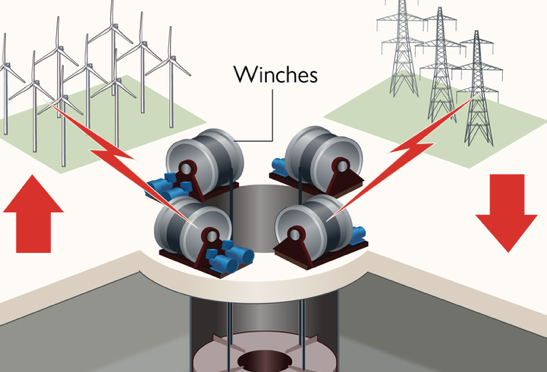
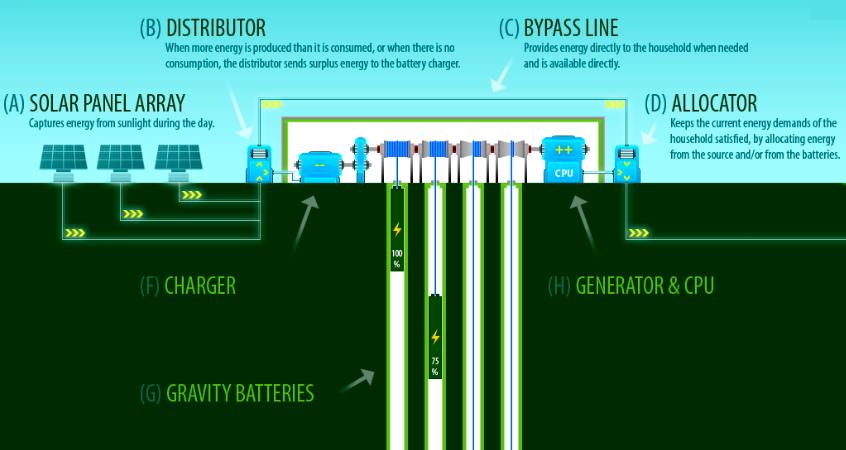
  • When there is plenty of green energy, the batteries use the power to lift a heavy weight either high into the air or to the top of a deep shaft.
  • Then when the renewables are limited, winches gradually lower the weight, release the load, powering a generator with the downward gravitational pull from the movement of the cables.
  • This would mean you could store power captured by a solar farm during the day when the sun is shining, and then release that electricity to the grid in the evening when demand rises because people are at home using electricity to watch TV, cook and heat their homes.
Diagram

Description automatically generated
Diagram

Description automatically generated with low confidence

Gravity batteries vs Lithium-ion

Gravity batteries are not the only way renewable energy can be stored, lithium-ion batteries dominate the market, and some experts favour green hydrogen. But gravity is free, clean and easily accessible, without the complications of producing hydrogen or the environmental and human rights concerns linked to some lithium mining.

Storing power in mineshafts

Full-scale energy stores in former mines can make good use of existing infrastructure and create jobs in exactly those areas where they’re most needed. The emotional aspect of this is also important. Whole communities once worked in the mines - and generally, they’re very happy to see them used for storing renewable energy.”

Note - The World Economic Forum founded the Global Battery Alliance (GBA) in 2017 to establish a sustainable battery supply chain by 2030. The body of over 100 leading international organizations, NGOs, industry actors, academics and multiple governments became independent in 2021 and its membership is collectively working towards the goals set out in the GBA 2030 Vision. The GBA 2030 Vision is to foster a circular, responsible and just battery value chain.

The GBA hosts Action Partnerships to achieve its vision of a sustainable battery value chain by 2030, including:

The Battery Passport Action Partnership: to establish global criteria, data and benchmarks for a sustainable and transparent battery market;

Critical Materials: to ensure critical materials are sourced, processed, manufactured and recycled in a manner that minimizes environmental impacts, protects human rights and creates benefits for stakeholders along the value chain.  

Energy Access & Circularity: to ensure energy access in emerging economies, reduce lead poisoning and promote circularity.

G20 expert group constituted for strengthening MDBs

Context: Under the aegis of India’s G20 Presidency, a 11-member expert group has been set up to explore measures to strengthen multilateral development banks (MDBs).

Professor Lawrence Summers, President Emeritus, Harvard University and N K Singh, former Chairperson of the 15th Finance Commission of India, are co-convenors of the G20 Expert Group.

Objectives for the panel

  • Making a road map for an updated MDB ecosystem for the 21st century, 
  • Touching upon all aspects of MDB evolution, and mechanisms for coordination among these banks to address and finance global development.
  • Looking into how can the World Bank contribute towards climate finance, critical for developing and LDCs to make a smooth transition to lower carbon emissions without compromising on growth. 

What is a Multilateral Development Bank?

  • It is an international financial institution chartered by two or more countries for the purpose of encouraging economic development in poorer nations. 
  • MDBs provide loans and grants to member nations to fund projects that support social and economic development, such as the building of new roads or providing clean water to communities.
  • They originated in the aftermath of World War II to rebuild war-ravaged nations and stabilize the global financial system.
  • Today, MDBs fund infrastructure, energy, education, and environmental sustainability in developing countries.
  • Examples: World Bank, Asian Development Bank, Asian Infrastructure Investment Bank. 

About G20

Group of Twenty is the premier forum of international economic cooperation. It plays an important role in shaping and strengthening global architecture on all major international economic issues.

  • Members of G20: 19 Countries and EU. Countries include Argentina, Australia, Brazil, Canada, China, France, Germany, India, Italy, Japan, South Korea, Mexico, Russia, Saudi Arabia, Turkey, UK and USA. G20 members represent around 85% of global GDP and 75% of global trade and 2/3rd of global population.
  • G20 does not have a permanent secretariat or staff.
  • G20 presidency rotates among the members and is selected from a different regional grouping of  countries. G20 member countries are divided into 5 groups comprising a maximum of four countries each.
  • Most groups are formed on a regional basis. However, Group 1 includes Australia, Canada, Saudi Arabia and USA) and Group 2 includes India, Russia, South Africa and Turkey do not follow the regional pattern. Group 3 includes Argentina, Brazil and Mexico; Group 4 includes France, Germany, Italy and UK and Group 5 includes China, Indonesia, Japan & South Korea. EU is a not a member of any of these regional groups.
  • Each year another country from a different group assumes G20 Presidency. The countries in a group are each equally entitled to take Presidency when it is their group’s turn.
  • G20 Summit is held annually, under the leadership of rotating presidency. G20 initially focused largely on economic and macroeconomic issues, but it has since expanded its agenda to include trade, sustainable development, health, agriculture, energy, environment, climate change and anti-corruption.
  • G20 Presidency is responsible for bringing together the G20 agenda in consultation with other members. The Presidency is supported by the Troika – previous, current and incoming Presidency of G20. During India’s Presidency, the troika will consist of Indonesia, India and Brazil respectively.
  • The theme of India’s G20 presidency is Vasudhaiv Kutumbakam or ‘One Earth, One Family, One Future’. The Sanskrit phrase in drawn from Maha Upanishad.
  • India holds the presidency of G20 from 1st December 2022 to 30th November 2022.
  • Inception of G20: G20 was founded in 1999 after the Asian Financial Crisis as a forum for Finance Ministers and Central Bank Governors to discuss global economic and financial issues.
  • Elevation to Leader’s Level: In 2008, G20 was upgraded to Heads of State/Government level in the wake of Global Financial crisis of 2007. In 2009, G20 was designated as the premier forum for international economic cooperation. First G20 Summit took place in 2008 in Washington.

Structure of G20

  • G20 consists of two parallel tracks: Finance Track & Sherpa Track.
  • SHERPA TRACK: Headed by Sherpa who is representative of the Leader. Focuses on socioeconomic issues such as agriculture, anti-corruption, climate, digital economy, education, employment, energy, environment, health, tourism, trade & investment.
  • FINANCE TRACK: Headed by Finance Ministers and Central Bank Governors, who generally meet four times a year, with two meetings being held on the sidelines of World Bank/IMF meetings. Focuses on Fiscal & Monetary Policy, International Financial Architecture, Infrastructure, financial regulation, international taxation etc.
  • The Sherpas oversee negotiations over the course of the year, discussing agenda items for the Summit and coordinating the substantive work of the G20.
  • ENGAGEMENT GROUPS: As part of G20 members’ commitment to consult relevant stakeholders communities, dialogue is facilitated through engagement groups, comprising non-government participants from each G20 member. These groups often draft recommendations to G20 Leaders that contribute to the policy making process. Some engagement groups are: Business20, Civil20, Labour20, Parliament20, Science20, SAI20, Startup20, Think20, Urban20, Women20, Youth20.

Other G20 Initiatives

  • Research & Innovation Initiative Gathering (RIIG): Aims to enhance, intensify and strengthen research & innovation collaboration among G20 member countries. RIIG is further the work of Academic Forum held during the Italian Presidency in 2021, by bringing together science, technology and innovation experts of G20 member countries.
  • G20 EMPOWER: G20 Alliance for Empowerment & Progression of Women’s Economic Representation (G20 EMPOWER) was launched during G20 Osaka Summit in 2019. It aims to accelerate women’s leadership and empowerment in private sector by leveraging its unique alliance among business leaders and governments across G20 countries.
  • Space Economy Leaders Meeting: Under India’s G20 Presidency, ISRO is organising fourth edition of Space Economy Leaders Meeting (SELM) to continue deliberations on significance of space in shaping the global economy.

About WORLD BANK GROUP

Set up along with the IMF in 1945 following the Bretton Woods agreements. Institutions under World Bank: 

  • International Bank for Reconstruction and Development (IBRD): Loans to middle-income & creditworthy low-income countries.
  • International Development Association (IDA): Interest-free loans & grants to governments of poorest countries.
  • International Finance Corporation (IFC): Lends money to private sector companies of its member countries thereby promoting economic development
  • Note: IFC has enabled investments into India through launch of Masala Bonds.
  • Multilateral Investment Guarantee Agency (MIGA): Promotes FDI into developing countries by offering political risk insurance (guarantees) to investors & lenders. 
  • International Centre for Settlement of Investment Disputes (ICSID): Provides international facilities for conciliation and arbitration of investment disputes.

Note: India is a member of all these institutions except ICSID.

World Bank: IBRD + IDA.

World Bank Group: IBRD+ IDA+ IFC+ ICSID+ MIGA.

Structure of World Bank

Board of Governors: Comprises of 189 member countries represented by their Minister for Finance; Highest decision-making body.

Board of Executive Directors: 25 Executive Directors responsible for day-to-day management. Five largest shareholders of World Bank appoint an executive director, while other member countries are represented by elected executive directors.

World Bank President: Selected by Board of Executive Directors for a five-year. As per the convention followed so far, World Bank President has been an American Citizen, while IMF President has been a European. 

Reports published by World Bank: Human Capital Index (HCI); World Development Report; Global Economic Prospects; Logistics Performance Index; Women, Business and Law; Global Financial Development Report

Green Tug Transition Program & initiatives for green shipping

Context: Ministry of Ports, Shipping & Waterways has launched the Green Tug Transition Program which will help in India’s aim of becoming Global Hub for Green Ship by 2030.

Ministry of Ports, Shipping & Waterways has launched the Green Tug Transition Program which will help in India’s aim of becoming Global Hub for Green Ship by 2030.

SALIENT FEATURES OF GREEN TUG TRANSITION PROGRAM

  • Launched by Ministry of Ports, Shipping & Waterways (MoPSW).
  • The program will start with Green Hybrid Tugs which will be powered by Green Hybrid Propulsion systems and subsequently adopting non-fossil fuel solutions like Methanol, Ammonia and Hydrogen. Initial Green Tugs will start working in all major ports by 2025.
  • At least, 50% of all Tugs are likely to be converted into Green Tugs by 2030, considerably reducing emissions at India. 

Tugboat or Tugs

  • A tugboat or tugs are marine vessels that manoeuvre ships by pushing or pulling them, mostly using tow lines.
  • These boats are known to tug ships in circumstances where the latter cannot or does not move using its own power. For ex in narrow harbours, canals etc.

NATIONAL CENTRE of EXCELLENCE in GREEN PORTS & SHIPPING (NCoEGPS)

Ministry of Ports, Shipping & Waterways (MoPSW) in partnership with The Energy & Resources Institute (TERI) are establishing will help India’s transition towards green shipping & green ports in Gurgaon, Haryana in TERI Complex. 

Functions of National Centre of Excellence in Green Ports & Shipping

  • Act as a nodal agency for the industry for India’s Global hub for building Green Ships by 2030 program.
  • Acts as a technological arm of MoPSW for providing the needed support on policy, research and cooperation in Green Shipping areas for Ports, Directorate General of Shipping, 
  • Host several technological arms to support port & shipping sector and provide solutions to a variety of problems being faced in shipping industry through scientific research. 
  • Carry out valuable education, applied research and technology transfer in maritime transportation at local, regional, national & international levels.
  • Focus areas: Energy management, Emission management, Sustainable Maritime Operations etc. and enable fast-track innovations to provide solutions to challenges in these sectors.
  • Create a pool of manpower for green shipping industry.

Ten Initial Projects of NCoEGPS

  • Developing a regulatory framework for use of wind energy for marine applications.
  • Identifying a suitable biofuel for blending with conventional marine fuels.
  • Identifying a fuel cell technology for long haul shipping
  • Developing a regulatory framework for transportation of hydrogen up to 700 bar pressure
  • Detailed project report on low energy consumption port
  • Detailed project report on offshore platform for tapping solar energy.
  • Detailed project report on production, storage and usage of Green Hydrogen

Other Major Projects for India’s Transition to Green Shipping

  • Transition towards renewables: India intends to increase share of renewable energy to 60% of total power demand at each of India’s major ports through solar and wind generated power. At present, about 99% of energy demand for coastal shipping sector is met by fossil fuels with fuel and marine gas oil (MGO).
  • Shore to ship power (electrification of ports): 50% of port equipments will be electrified by 2030 and all ports shall supply shore power to all visiting ships in a three-phased manner. Currently, India is already supplying shore power to ships with power demand less than 150 kW.
  • Ports to reduce Carbon emissions per ton of cargo handled by 30% by 2030. 
  • Maritime Vision Document 2050 released by MoPSW is a 10-year blueprint on India’s vision of a sustainable maritime sector and vibrant blue economy.
  • India has been selected as the first country under IMO Green Voyage 2050 Project of a pilot project related to Green Shipping. 
  • India will be implementing IMO energy efficiency requirements for existing ships and carbon intensity requirements on all its vessels whether coastal or international to help achieve IMO GHG reduction targets. 
  • India is working with Marine Environmental Protection Committee of IMO to help devise acceptable requirements for GHG emission in line with IMO GHG initial strategy. 
  • Adoption of mechanised mode of dry bulk handling, increasing green belt coverage, conversion of diesel RTGCs to electric or hybrids to reduce pollution in ports. 
  • Storage & bunkering facilities for environment friendly fuels like LNG, CNG, Green Hydrogen, Green Ammonia etc. Under the National Hydrogen Mission, MoPSW has identified Paradip Port, Deendayal Port (Kandla), V. O. Chidambarar Port in (Thoothukudi, Tamil Nadu) to be developed as Hydrogen Hubs i.e., capable of handling, storing and generation of green hydrogen by 2030. 

GREEN VOYAGE 2050 PROJECT

  • It is a joint project of International Maritime Organisation (IMO) and Norway to support developing countries in their efforts to reduce GHG emissions from ships and implementing IMO Strategy ON Reduction of GHG Emissions from Ships and Ports. 
  • IMO Strategy on Reduction of GHG Emissions from Ships aims to reduce total annual GHG emissions by at least 50% by 2050 compared to 2008. Carbon intensity of international shipping to decline to reduce CO2 emissions per transport work by at least 40% by 2030 and 70% by 2050 compared to 2008. Use of Energy Efficiency Design Index (EEDI) for new ships to strengthen energy efficiency design requirements.  
  • IMO resolution on ports encourages shipping and port sectors to cooperate for reducing GHG emissions from ships. This will be done by Onshore Power Supply, Safe & Efficient bunkering.
  • Green Voyage Project will strengthen MARPOL Annex VI compliance, facilitate sharing of operational best practices, catalyse uptake of energy efficient technologies and explore opportunities for low and zero-carbon fuels. 
  • IMO is the executing authority and Norway will provide funding for the project. 
  • India has been selected as the first country under IMO Green Voyage 2050 Project of a pilot project related to Green Shipping. 

Components of Green Voyage 2050 Project

  • Undertake an assessment of maritime emissions in national context.
  • Develop policy frameworks & national action plans (NAPs) to address GHG emissions from ships.
  • Draft legislation to implement MARPOL Annex VI into national law.
  • Assess emissions and develop port-specific emission reduction strategies.
  • Identify opportunities and deliver port projects, through the establishment of public private partnership & mobilisation of financial resources.
  • Establish partnerships with industry to develop new & innovative solutions to support low carbon shipping. 
  • Partner Countries: Green Voyage 2050 Project is working with 12 countries: Azerbaijan, Belize, China, Cook Islands, Ecuador, Georgia, India, Kenya, Malaysia, Solomon Islands, South Africa, Sri Lanka. 

GLOBAL INDUSTRY ALLIANCE TO SUPPORT LOW CARBON SHIPPING (LOW CARBON GIA)

  • It is a public private partnership under the framework of IMO-Norway Green Voyage 2050 Project that aims to bring together maritime industry leaders to support an energy efficient and low carbon maritime transport system. 
  • Leading shipowners & operators, classification societies, engine and technology builders and suppliers, big data providers, oil companies and ports have joined hand under Low Carbon GIA to collectively identify and implement solutions for uptake and implementation of energy efficiency technologies, operational best practices and alternative low and zero carbon fuels. 

Workstreams of Low Carbon GIA are:

  • Energy efficiency technologies (EETS) & operational best practices.
  • Alternative low and zero-carbon fuels.
  • Addressing emissions at ship-port interface.

INTERNATIONAL MARITIME ORGANISATION (IMO)

  • It is a specialised agency of the United Nations responsible for measures to improve the safety & security of international shipping and prevent pollution from ships. 
  • It is also involved in legal matters, including liability and compensation issues and facilitation of international maritime traffic. 
  • It came into existence in 1959. 
  • The IMO Assembly consists of all Member States and is the highest governing body of the Organization. It is responsible for approving the work programme, voting the budget and determining the IMO’s financial arrangements. 
  • IMO Council is elected by the Assembly for terms of two years. It acts as the Executive Organ of IMO and is responsible, under the Assembly, for supervising the work of the Organization.  
  • IMO has five main Committees: 
    • Maritime Safety Committee (MSC)   
    • Marine Environment Protection Committee (MEPC) 
    • Legal Committee 
    • Technical Cooperation Committee 
    • Facilitation Committee 
  • Currently, IMO has 175 member states and 66 intergovernmental organisations (observer status).
  • Organisation is led by the Secretary General supported by Secretariat.
  • Headquartered at London. 

INITIATIVE FOR SUSTAINABLE SHIPPING UNDER INTERNATIONAL MARITIME ORGANISATION

  1. ANNEX VI OF MARPOL CONVENTION: IMO adopted a Annex VI to it MARPOL Convention to address air pollution from ships. It addresses:
  • Main air pollutants contained in ships exhaust gas such as sulphur oxides (SOX) and nitrous oxides (NOX) and prohibited deliberate emissions of ozone depleting substances. 
  • Regulates shipboard incineration and emissions of volatile organic compounds (VOC) from tankers. 
  • Promotion of energy efficiency of ships – intended to limit emissions of greenhouse gases. (Added in 2011). This introduced compulsory energy efficiency components to ship design and management, promoting use of less polluting equipment and engines. From 2023, it is mandatory for all ships to calculate their attained Energy Efficiency Existing Ship Index (EEXI) to measure their energy efficiency and calculate their carbon intensity indicator (CII) and CII rating. 
  • Lower limit on sulphur content in fuel oil (Added in 2020). This measure was introduced because most ships were using fuel oil with a much higher sulphur content compared to other fuel sources. Implementation of this new limit would result in 77% reduction in sulphur oxide emissions from ships.
  1. IMO Strategy on Reduction of GHG Emissions from Ships (2018) aims to reduce total annual GHG emissions by at least 50% by 2050 compared to 2008. Carbon intensity of international shipping to decline to reduce CO2 emissions per transport work by at least 40% by 2030 and 70% by 2050 compared to 2008. Use of Energy Efficiency Design Index (EEDI) for new ships to strengthen energy efficiency design requirements.  
  2. IMO resolution on ports encourages shipping and port sectors to cooperate for reducing GHG emissions from ships. This will be done by Onshore Power Supply, Safe & Efficient bunkering.
  3. Green Voyage Project will strengthen MARPOL Annex VI compliance, facilitate sharing of operational best practices, catalyse uptake of energy efficient technologies and explore opportunities for low and zero-carbon fuels. 
  4. Particularly Sensitive Sea Areas (PSSA): Oceans areas of ecological, socio-economic or scientific significance can be granted special protection status of a Particularly Sensitive Sea Area (PSSA). PSSA status recognises that the area may be vulnerable to damage by international maritime activities and protection measures such as compulsory routeing of ship to avoid these areas may be enacted. 
  5. Addressing Biofouling: Biofouling is the process of accumulation of various aquatic organisms in ships’ hulls. Through the process of biofouling, invasive aquatic organisms can be introduced to new marine environments affecting marine biodiversity, coastal properties & infrastructure, fisheries and ocean renewable energy.
    1. IMO has found GloFouling Partnership to raise awareness, foster R&D, share best practices and help promote technical solutions for biofouling. 
    2. Ballast Water Management Convention, 2004 is international maritime treaty ensures that flag states to ensure that ships flagged by them comply with standards and procedures for management & control of ships ballast water and sediments.