Science & Technology

Temperature Profiling of Moon by Chandrayaan-3

Context: A payload onboard the Pragyaan Rover of Chadrayaan-3 mission has shared groundbreaking data on the temperature profile of the south pole of the moon. 

Chandrayaan-3 

Chandrayaan-3 is a mission to demonstrate end-to-end capability in safe landing and roving on the lunar surface. It consists of an indigenous Lander module (LM), Propulsion module (PM) and a Rover with an objective of developing and demonstrating new technologies required for Inter planetary missions.

  • It consists of Lander and Rover configuration. 
  • It will be launched by LVM3. 
  • The propulsion module will carry the lander and rover configuration till 100 km lunar orbit. 
  • The propulsion module has Spectro-polarimetry of Habitable Planet Earth (SHAPE) payload to study the spectral and Polarimetric measurements of Earth from the lunar orbit.
image 118

Lander Payloads

  • Chandra’s Surface Thermophysical Experiment (ChaSTE) to measure the thermal conductivity and temperature.
  • Instrument for Lunar Seismic Activity (ILSA) for measuring the seismicity around the landing site.
  • Rambha Langmuir Probe (LP) to estimate the plasma density and its variations. 
  • A passive Laser Retroreflector Array from NASA is accommodated for lunar laser ranging studies. 

Rover Payloads 

  • Alpha Particle X-ray Spectrometer (APXS) and Laser Induced Breakdown Spectroscope (LIBS) for deriving the elemental composition in the vicinity of landing site.
image 119

ChaSTE (Chandra's Surface Thermophysical Experiment)

image 120

ChaSTE is to study the heat conductivity of the Moon’s surface and measure the differences in temperatures at different points on and below the surface, with the overall objective of creating a thermal profile of the Moon.

  • ChaSTE  has a temperature probe equipped with a controlled penetration mechanism capable of reaching a depth of 10 cm beneath the surface.
  • The temperature probe is fitted with 10 individual thermal sensors.

Data Released

The graph released by ISRO illustrates the temperature variations of the lunar surface/near-surface at various depths, as recorded during the probe's penetration. On Moon, very hot to very cold — separated by just a few mm
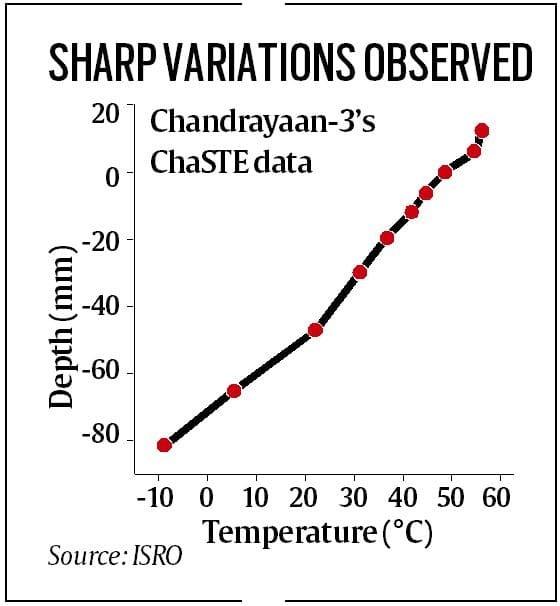
  • The first set of data released by ISRO showed a very sharp difference in temperatures just above and below the surface of the Moon.
  • A graphical plot put out by ISRO showed that while temperatures on the surface were over 50 degree Celsius, they dropped to nearly -10 degree Celsius just a few millimetres below the surface.
  • The measurements suggested that the topsoil of the lunar surface did not conduct heat very well, and insulated the sub-surface from heat.
  • There were many indirect measurements done to know about the thermal profile of the Moon.
    • It was generally believed that the temperature on the moon’s surface was between 20 degree Celsius to 30 degree Celsius.
  • ChaSTE is the first direct measurement of temperatures of the topsoil and the subsoil near the South Pole of the Moon.

Known Facts About Moon

image 121
  • High Diurnal Range: The temperature on the moon can vary drastically between lunar days when the temperatures reach 120 degrees Celsius and reach -130 degrees Celsius during nighttime.
  • Positioning of Sun: At the lunar South Pole, the Sun hovers below or just above the horizon, creating temperatures of 54 degrees Celsius during the sunlit period. 
  • Deep Carter: Even during the day, the entire south pole is not lit by sunlight as the soaring mountains cast dark shadows and deep craters protect perpetual darkness inside the craters.
  • Lack of Atmosphere: The reason behind the variation of day and night temperatures is the lack of atmosphere which does not block the Sun’s rays and leads to large variation in day and night temperature. 
  • Change in Landforms: The lack of lunar atmosphere also means that craters and other landmarks do not erode like on Earth, leaving perpetual pockets of darkness near the moon’s poles that have the most frigid temperatures.

Benefits of Soil temperature Profiling of Moon’s south pole 

  • Human Habitation: Help in understanding the moon’s composition, surroundings and direct search for water ice on the moon, which could support human habitation on the Moon in future.
  • Human landing: Give an understanding of what kind of material can be used in varying temperature conditions and pave the way for future human landing.
  • Selection of Material: Give insight into what material can be used on the lunar surface as the temperature gradient is very high that may lead to appreciable thermal expansion or contraction in materials and affect experimental set-up and other infrastructure.
  • Material and associated exploration: Help in understanding the elemental composition of the moon, relative abundance of different materials and chemicals, the levels of radiation, and seismic activities.
  • Identification of Rocky Areas: Reveals information about the lunar rocks as it takes longer to heat up and cool down than lunar soil, which could then allow scientists to identify rocky areas.
  • Finding of Water Ice: Understanding the nature of the low-lying areas, that remain permanently shrouded in shadow and an ideal spot to maintain water ice.
  • Habitation in Low Temperature Regions: Some craters remain permanently shadowed and haven’t seen sunlight in billions of years and experience temperatures as low as -203 degrees Celsius. In view of this, the ChaSTE has interesting facts to offer about the unexplored side of the lunar surface.

Terms 

Heat ConductivityAlso known as thermal conductivity, is a measure of a material's ability to conduct heat. It indicates how well heat can travel through a substance. Materials with high thermal conductivity transfer heat more effectively.

Iqng4fEYkKW7Hc8mqzkat4HBqoVKRLE22KVBzTVxuo2O1d4RDGfBWdMTMbpShLHNMceS4DGY10TGRyXU8g zk0ObOAKizOK
Thermal ProfileThe distribution and variation of temperatures within a specific area or object. In the context of ChaSTE, the goal is to create a detailed understanding of how temperatures change across the Moon's surface and its subsurface.EkDNZzli079SVxf 03GuFcapoEbGmsYyCyOrv8aKveKpY vSnHzZhH kXwC4yNsIhIU2fBPS60w4GSaLSigbjzO3Wss6iShBTVYpj9zwWjiZASm XPII58U8BdUjLWVZsc el5lJNraEzILX4rM7NQ
Somatic Mutation

Context: The ‘Somatic Mosaicism across Human Tissues’ (SMaHT) Network is exploring somatic mutation's significance, promoting insights into human biology and disease management through research.

Biological Terms 

TermMeaning 
Genome The entire set of genetic material in an organism. It includes both the coding sequences (genes) and non-coding regions of DNA.
Human Genome The complete set of genetic material (DNA) present in a human cell. It contains all the instructions necessary for the growth, development, functioning, and maintenance of a human being.
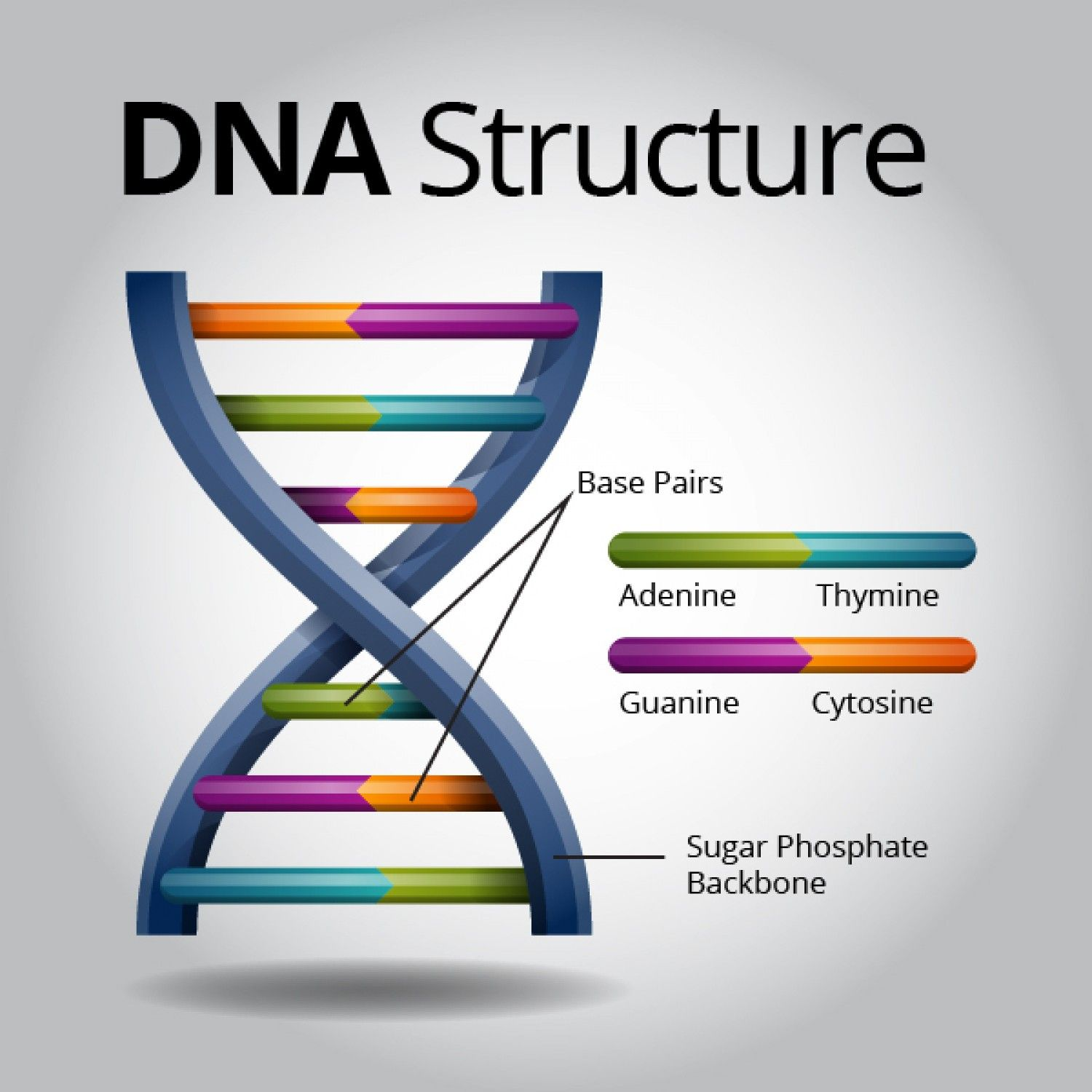
Deoxyribonucleic Acid (DNA)The molecule that carries genetic information in cells. It consists of a double-stranded helical structure made up of nucleotide units.HT7FcAbgr1Hz7MFZAt5kUGKSNt1Ygsd 2hJq9ga5alp6pw1ON9tocT0K1Qq w3KVpzdoaphLijZxnTuZDLddvXFDW3Dbp4bcwRSU1eJOeIAWIYA3WqC3P eVBr0DESD7x6cAZlB9taolLe4h r j Q
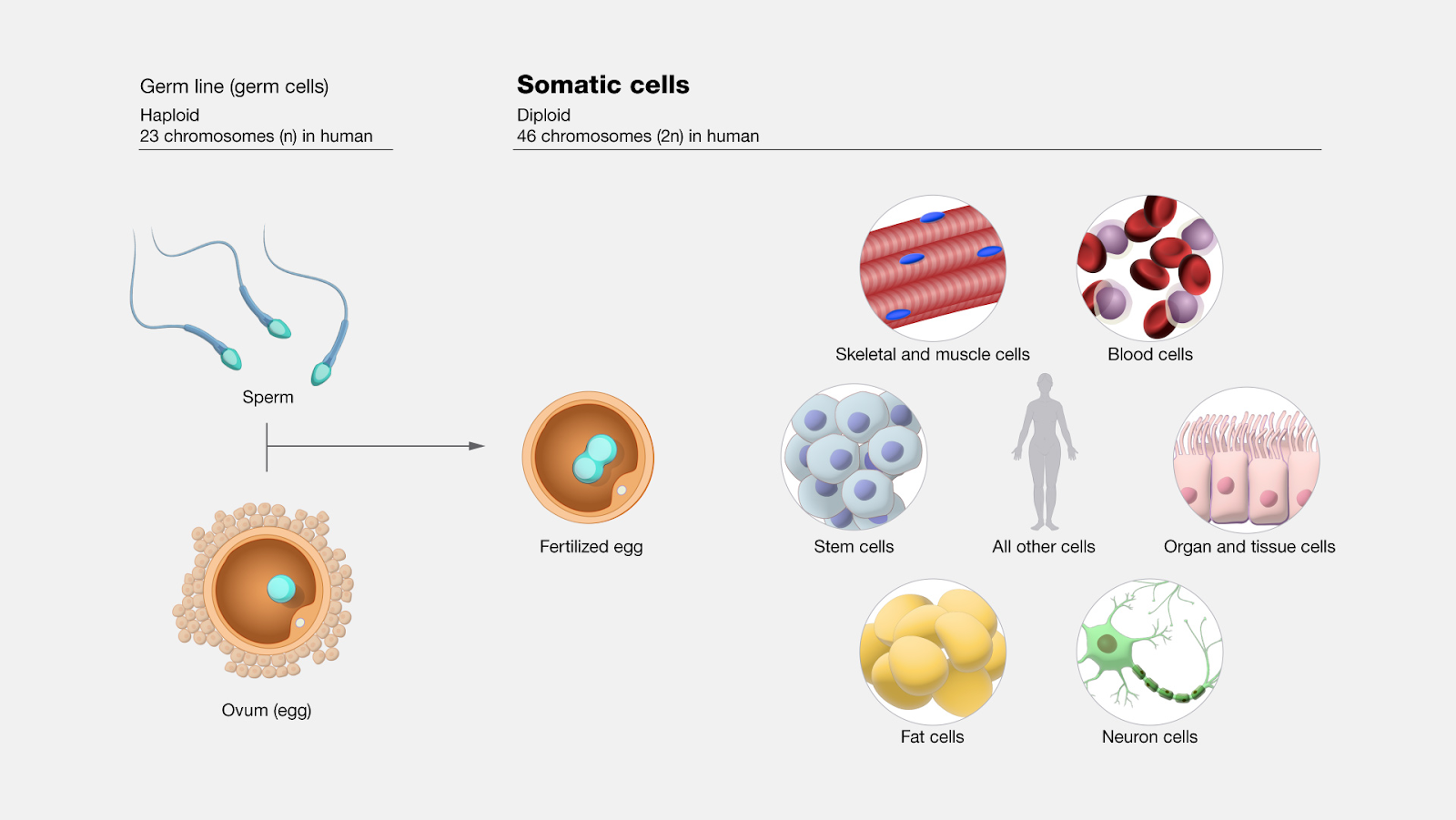
Chromosomes Thread-like structures made of DNA and proteins found in the nucleus of cells. They carry genetic information in the form of genes. In humans, there are 23 pairs of chromosomes (46 individual chromosomes), with one chromosome from each pair inherited from each parent.Ou0CQxjO RQ0IBocoGEiSZsFmo66BdH1cdA2yNiUiRNc sw vvDbvAXZdYysTcyP0euDk3honMsAe736BAyK OmfPjZF5BnNFkq7WRPCbnIosO9PvatOOpwvG2ykc IlBf2a19nUBjmvGyClJ8YjLg
Somatic CellsCells in the body other than sperm and egg cells (which are called germ cells). In humans, somatic cells are diploid, meaning they contain two sets of chromosomes, one inherited from each parent. DNA mutations in somatic cells can affect an individual, but they cannot be passed on to their offspring.q0 PInTl0faWLP BEPsoL4R28e9elDrZs9w9xrKycspEjSvuaj4VSFv3k7hgzNedqfRnCTx8Elgt oIT4UuyO4ZFNFcr7MvSG7c4 u4Oapd4A9 mGEmfbucTE4UukzYX MD6lvIDQrIDoKuc3wAz8g
Germ Cells Cells that give rise to the reproductive cells of sexually reproducing organisms – known as gametes – through a process called gametogenesis. In animals, the reproductive male gametes are sperm cells and the female gametes the oocytes.
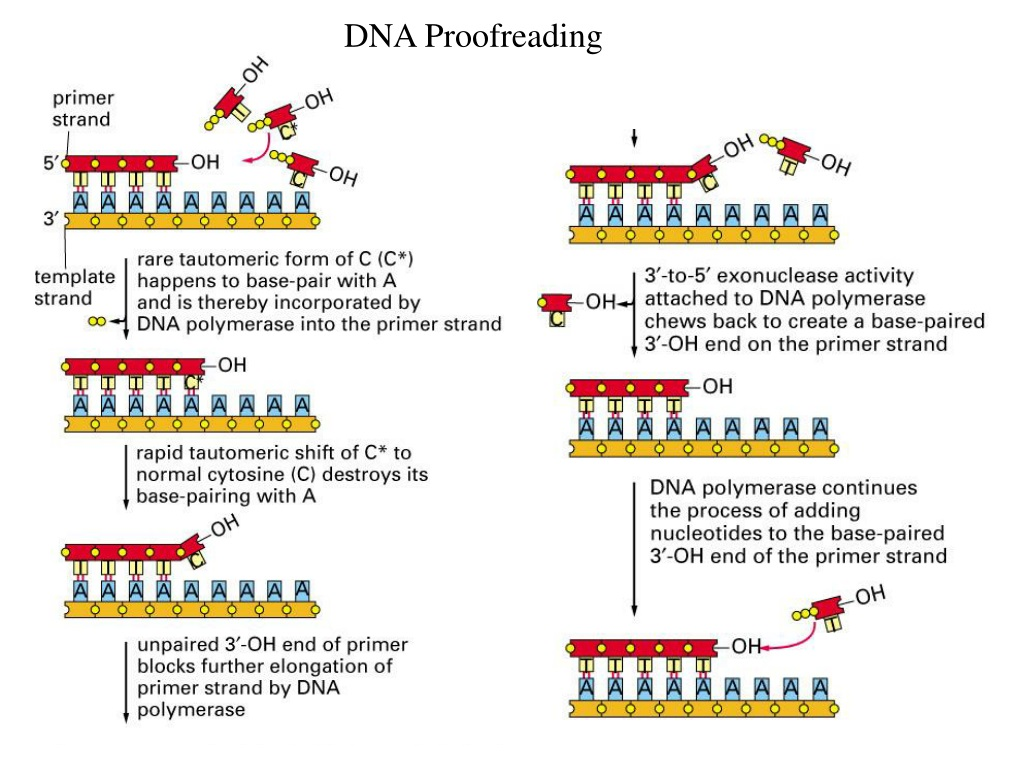
Proofreading The process by which enzymes detect and correct errors (mutations) that occur during DNA replication, ensuring the accuracy of DNA copying.v tmgM41K8EySE59Hmp3M4t4 RexFNIPbJOZwC9DJ ce1WN5n3tFPHBzpjvEJwNVFEBD0dX1ZUeu5sghynmXWynt1Jav7OZ
Turnover Turnover is the replacement of old cells with new ones.
Mutation A change in the DNA sequence of a gene or chromosome. Example: Single nucleotide changes (point mutations), deletions, insertions.UWsz1knpjSnujdvyy5Bf1mHeRoghWXynC94DYNP N0pMjD2GhIl7P6I3r2UecpuqKo9EHvLTyWBUoSo1xjWPb3urQNaIAHZXECxA0mPC T
Somatic Genetic Mutation A mutation that occurs in the DNA of somatic cells (body cells) after birth. These mutations are not passed on to offspring. Example: Skin cells acquiring mutations due to UV radiation exposure.albPkwjiTwyKLn830SNNG37sewJj2pNOdy3LKnXnPxJw8oyv1N3 86E18Np8qo7di0S L 3Ggajg96g2Os9uXVJRcnjvtW
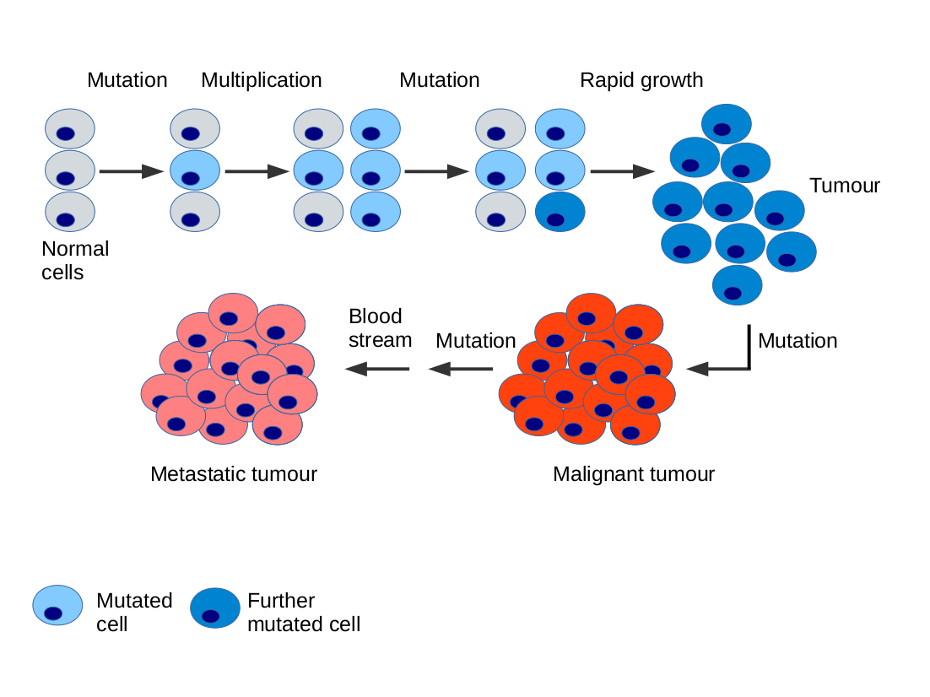
Driver Mutation A mutation that provides a growth advantage to a cell, often contributing to the development of diseases like cancer.
Genetic Variants Differences in the DNA sequence among individuals of the same species. These can include single nucleotide polymorphisms (SNPs) or larger structural variations.
Immune Cells Cells of the immune system that defend the body against pathogens. Examples include B cells and T cells.
Genetic diseases Disorders caused by mutations in an individual's DNA. Example: Cystic fibrosis caused by mutations in the CFTR gene.
Mutation SignaturesDistinctive patterns of genetic variations associated with specific types of cancer or genetic diseases.
MicrofluidicsA technology that manipulates small amounts of fluids at a microscopic scale.
Cancer A group of diseases characterized by uncontrolled cell growth and division.H fkZESqgWWOMEgzJaNkEDKNVmoTrqBSNuchsjDBdYwMkbWuvbcgBbLvGrQqFYGEhx2VeOhd6mrcn9tT1UpQMCqz6D2IKO7fG5YJg76KtddOrDxikP a5j7s bRAeV dr8JR6Zkg
Somatic MosaicismThe presence of different genetic variants in different cells of the same individual.

Somatic Genetic Mutations

  • When cells divide, the DNA is copied with extremely high accuracy because of the proteins that proofread and correct errors in the DNA. 
  • But despite this mechanism, various studies have estimated that there is still an error rate of 0.64-0.78 mutations per billion base pairs per division.
  • Repeated copy-pasting of these cells results in more somatic genetic mutations, the older an individual is and the higher the turnover of the tissue.
  • These conditions are not inherited from parents but are a result of new genetic variations in somatic cells.

Cause of Concern 

  • Genetic Diseases:
    • Many genetic diseases arise from somatic genetic variants that occur during development, leading to various genetic diseases. 
    • Severity and distribution of the disease depends on how early or late during development the corresponding mutation occurred.
  • Cancer Development: 
    • Somatic genetic mutations can lead to the development of cancers and can also be accelerated by cancer. 
    • These mutations are often responsible for the formation of tumors through driver mutations.

Need of Understanding these Mutations 

  • Early Diagnosis: 
    • The relationship between somatic changes and cancer underscores the importance of understanding these mutations for early detection, diagnosis, and prognosis.
    • Understanding the timing and impact of these mutations during development is crucial for comprehending the severity and distribution of genetic disorders.
  • A Positive Change: Somatic changes can be beneficial in a genetic disease by changing a deleterious change to a normal one, a phenomenon known as revertant mosaicism. For example, around 10% of cases of Wiskott-Aldrich syndrome, a rare genetic immunodeficiency, have been found to have revertant mosaicism, as a result alleviating the severity of the disease in many individuals.
  • Immunity Building:
    • Somatic genetic variants play a vital role in the immune system's ability to generate diverse antibodies.
    • Immune cells like B and T cells undergo significant somatic changes to produce a wide array of proteins that recognize and bind to pathogens. 
    • This diversity is critical for effective immune responses, and studying these variants can provide insights into immune-related disorders.

Global Example 

Somatic Mosaicism across Human Tissues’ (SMaHT) Network

  • The U.S. National Institutes of Health has launched a programme focused on understanding the breadth of somatic mosaicism and the biological and clinical significance of such somatic events in humans.
  • This network aims to catalyse study in the field by discovering somatic variants, developing tools and resources with which to study them, and improving ability to analyse, interpret, and organise them in different biological and clinical contexts.

Echolocation: A Revolutionary Navigational Technique

Context: In a recent development, engineers have harnessed the power of echolocation to create smartphone apps that generate room maps, greatly aiding individuals with visual impairments in navigating their surroundings more effectively.

image 9

About Echolocation:

  • It is also known as biosonar and constitutes a biological sonar system employed by various animal species.
  • Animals adept in echolocation emit calls into their environment and subsequently capture and interpret the returning echoes of these calls from nearby objects.
  • It is widely used for underwater navigation, communications, and even as a method to find fish. 
  • This intricate technique is a primary sensory tool for animals such as bats, dolphins, and certain other species, facilitating precise object localisation through the analysis of reflected sound waves.
  • It empowers these animals to navigate seamlessly in absolute darkness, supporting activities like hunting, discerning friends from foes, and evading obstacles.
  • Animals that use echolocation emit high-frequency sound pulses, often beyond the range of human hearing.
  • Humans have harnessed the principles of this ingenious technique to create devices like sonar and radar. 

Working of Echolocation

  • Sound Emission: Animals capable of echolocation emit high-frequency sounds, often beyond the range of human hearing. These sounds are usually clicks, whistles, or chirps. The specific frequencies and patterns of these sounds can vary between species.
  • Sound Reflection: When these emitted sounds encounter objects in the environment, they bounce off those objects and create echoes.
  • Echo Reception: The animals' ears or specialized auditory structures are highly sensitive to detecting the echoes. They can interpret the timing, intensity, and frequency of the echoes to determine the distance, size, shape, texture, and even movement of objects around them.
  • Processing: The brain processes the information from the echoes to build a mental map of the surroundings. Animals can use this information to navigate, locate prey, avoid obstacles, and communicate with other members of their species.

Echolocation Practitioners 

  • Diverse creatures like bats, whales, dolphins, select avian species like the nocturnal oilbird and specific swiftlets, along with shrews and the tenrecs of Madagascar, are recognized echolocation users.
  • Dolphins and toothed whales capitalise on echolocation to gain visibility in murky waters and the depths of the ocean, enabling pursuits of deep-sea prey like squid. They extract information concerning an object's distance, direction, velocity, density, and dimensions.
  • Bats, by employing echolocation, accomplish nighttime flight and navigation within dark caverns. This ability likely evolved to facilitate the detection of nocturnal insects inaccessible to birds. Bats can detect insects up to a 5-meter distance, gauging size, hardness, and even evading obstacles as delicate as human hairs.
  • The oilbird, active during the night, and certain insect-eating swiftlets employ sharp, audible clicks to guide them through darkness.
  • Some nocturnal shrews emit ultrasonic squeaks to explore their obscure surroundings. Similarly, shrew-like tenrecs from Madagascar employ tongue clicks for nocturnal echolocation, possibly aiding in locating sustenance.
  • Another intriguing possibility is humans – many blind people can find their way around simply by listening to echoes bouncing off surrounding objects.

Jet Engine Deal between India & USA

Context: During the visit of Prime Minister Narendra Modi to USA there was landmark deal between General Electric of USA and Hindustan Aeronautics Limited of India to co-manufacture fighter jet engines in India. The manufacturing of jet engines will start with technology sharing of over 50% which will further increase over the production cycle. 

About the GE-HAL fighter jet engine deal

  • Under the deal, GE will transfer technology and manufacturing capabilities for F414 jet engine which has been used by US Navy aircraft for more than 30 years.
  • More than 1400 such engines have been deployed and have clocked more than 5 million flight hours.
  • The F414 jet engine currently or in future will power fighter jets in US, Sweden, Australia, Kuwait, Brazil, South Korea, India & Indonesia.
image 8

Current Engines Used in Tejas

  • Currently, HAL's Tejas uses GE's F404 engine which is predecessor of F414. 
  • Tejas Mark 2 which is a more powerful fighter aircraft needs a bigger engine for which HAL plans to use F414 engine of GE.
  • F414 will also be used for India's next generation Advanced Medium Combat Aircraft.

India's efforts to develop jet engines

  • India has made great leaps in indigenous development of defence systems and platforms in developing a world class missiles, aircrafts, submarines and aircraft carriers. 
  • However, India has failed to develop a viable and functional jet engines for its fleet of fighter aircrafts. 
  • Kaveri aero engine was developed by the Gas Turbine Research Establishment (GTRE), under the DRDO, after a 30-year developmental period. This, however, was not found suitable for the indigenous Light Combat Aircraft (LCA), as it was underpowered and overweight to meet the aircraft’s performance requirements.
  • Challenges in developing
    • Development of indigenous jet engines is complex, costly and time consuming process requiring
    • Managing extreme engine temperatures
    • Composites & Alloys: Jet engines use superalloys and composite materials which can withstand temperatures beyond 1800oC. Thus, there is a need to develop high-resistance materials like silicon carbide or ceramic matrix composites

Significance of Jet Engine deal for India

  • Significant step forward in India-USA relations:
    • This is the first instance when US will be sharing a cutting edge technology in its defence capabilities with a non-ally.
    • This deal also marks the first time when there will be a co-production of jet engines of US with a country with which US does not have a treaty. 
    • Under the deal, US will be sharing a substantial share of sensitive jet engine technology with a provision of technology transfer ratio to increase. This is the most technology transfer the US has ever authorised.
    • The deal would reduce India's reliance of defence aircrafts offered by Russia to India and will expand the growing interoperability between US and Indian military.
  • Entry into exclusive club: India will become the fifth country in the world to produce jet engines. Currently, only Russia, USA, France & UK have the capability to produce jet engines.
  • Boost to defence capabilities: This deal is expected to boost and modernise India's fighter jet capabilities as it will allow India to indigenously produce jet engines for its Tejas fleet with one of the most powerful and reliable engines. It will help India's to replace its reliance on ageing Russian fleet which currently power its air force and naval aircrafts.
    • Domestic manufacturing of jet engines will reduce cost of fighter jets in India.
    • Reduce dependence on foreign suppliers for engines for India's fighter aircrafts.
  • Boost to defence manufacturing: 
  • Edge over China: The jet engines offered by US have more power and efficiency, longer life and need lower maintenance compared to jet engines currently manufactured by China. Thus, giving India an edge over China in terms of defence capabilities. 

Concerns over the deal

  • Not complete transfer of technology: Though the deal has a significant transfer of technology component. However, transfer of technology is not complete. 
  • Better jet engines are available as compared to F414 jet engines which is being offered to India. For ex. US has been developing advanced F136 jet engine for its F35 fighter aircrafts. 
  • Importance of Russia: US demands India to shun military ties with Russia to further boost its defence collaboration with Russia for the fear of its defence technology falling in Russian hands. However, India and Russia enjoy unparallel trust and collaboration in defence relations like Brahmos cruise missiles. Thus, India would not want to compromise its defence relations with Russia. 

Way forward for Indigenous Jet Engine Development

  • Focus on indigenous development of jet engines: Despite GE-HAL jet engine deal, India should try and develop its own engines for both civilian and fighter jets. India has a lot of engineering talent which could be harnessed for this. Government and Private sector should collaborate on this. This will result:
    • Increasing India's strategic autonomy.
    • Reduce reliance on other countries.
    • Reduce cost of manufacturing of fighter aircrafts.
    • Increase India's potential as a global supplier and exports of defence aircraft systems.
  • HAL-BHEL Joint Venture for Jet Engines: The technology for development of jet engines and industrial gas turbines is similar with difference in weights and compression ratios, dealing with different levels of heat and oxygen availability. A joint venture can be explored between these to develop indigenous jet engines in India. 

Near side and Far side of the moon

Context: The Vikram lander of Chandrayaan-3 made it one of the closest approaches of a lunar mission to the moon’s South Pole. However, like most of the lunar-landing missions before, Vikram too landed on the near side of the moon. 

What are the moon’s ‘near’ and ‘far sides’ and is there a ‘dark’ side?

  • Near side: The near side refers to the portion of the moon — about 60% — that is visible from Earth. This side of the Moon always faces the Earth and it is the side that humans have visited during various lunar missions. 
  • Far side: The far side of the Moon is the side that is not visible from Earth. The reason it is less visible from Earth is due to a phenomenon called "tidal locking”. The phrase "dark side of the Moon" does not refer to "dark" as in the absence of light, but rather "dark" as in the unknown. In reality, both the near and far sides receive (on average) almost equal amounts of light directly from the Sun.
    • The ‘dark side’ was mysterious and its various topographical features were hidden until the Soviet spacecraft Luna 3 in 1959 photographed it and the Soviet Academy of Sciences released an Atlas of these images.
    • Astronauts aboard the Apollo 8 mission of 1968 were the first humans to see the far side of the moon.
    • All crewed and uncrewed soft landings had taken place on the near side of the Moon, until 3 January 2019 when China’s Chang'e 4 spacecraft made the first landing on the far side. This vehicle landed on the Von Karman crater situated within a larger 2,500 km wide crater called the South Pole Aitken basin.

Hence, both the near and far sides experience sunlight and darkness as they orbit the Sun, but the far side has historically been less explored and observed from Earth due to the Moon's tidally locked rotation.

image 7

Is the dark side very different from the near side?

  • The major difference between the two sides is that the near side is relatively smoother and has many more ‘maria’ or large volcanic plains compared to the far side. 
  • On the far side, there are huge craters, thousands of kilometres wide, which have likely resulted from collisions with asteroids.
  • While both sides of the moon in its formative phase were similarly bombarded, the crust on the near side is thinner because of which, over millions of years, the volcanic lava in the lunar crust has flowed more extensively into the thinner side and filled up its craters. The resulting plains that have thus formed are far more conducive to space missions because they provide a relatively flat terrain for landers and rovers. 

What is special about the Chandrayaan-3’s landing?

  • The Chandrayaan-3 mission, while still on the near side, has managed to land Vikram the closest ever to the lunar South Pole . The coordinates of Chandrayaan-3 at 69.36 S and 32.34 E make it about 600 km away from the South Pole. 
  • The choice of being as close as possible to the South Pole was to get closer to a “permanently shadowed region” or where no sunlight ever reaches. This would mean increasing the chances of encountering frozen water-ice along with several “interesting deposits” that can reveal more about the moon and its harvestable resources. 
image 117

Tidal locking:

  • Tidal locking, also known as gravitational locking or synchronous rotation, is a phenomenon that occurs when a celestial body's rotation period matches its orbital period around another body. This phenomenon is most commonly observed in natural satellites like moons, but it can also occur between planets and their stars.
  • In the case of the Moon, its rotation period is nearly the same as its orbital period around the Earth, which is about 27.3 days as well. This tidal locking has resulted in the Moon always showing the same face, the near side, to the Earth. 

Astra Missile

Context: Recently, Tejas, Light Combat Aircraft (LCA) LSP-7 successfully fired the ASTRA off the coast of Goa in August. Officials said that the successful launch of the ASTRA from Tejas fighters would significantly enhance the combat prowess of Tejas and reduce the dependency on imported weapons.

image 6

About Astra

  • It is an indigenous all-weather Beyond Visual Range (BVR) air-to-air missile to engage and destroy highly manoeuvring supersonic aerial targets.
  • It is designed and developed by the Defence Research and Development Laboratory (DRDL), Research Centre Imarat (RCI) and other laboratories of DRDO.
  • Different missiles of this family are capable of engaging targets at varying distances of 500 m up to 340 km.
  • It boasts advanced air combat capabilities and its ability to simultaneously engage multiple high-performance targets.
  • It is integrated with various aircraft platforms, including the Su-30MKI fighter jet, Mirage 2000, Tejas light combat aircraft (LCA), MiG-29 and MiG-21 Bison fighter jets.

About Tejas

  • It is a weather and multi-role fighter aircraft. 
  • The aircraft is designed to be a multi-role aircraft to carry a range of air-to-air, air-to-surface, precision-guided weapons.
  • It is also designed to undertake Ground Maritime Operations. 
  • The maximum payload capacity of Tejas is 4000 kg and the Speed upto Mach 1.8.

What next for ISRO after Chandrayaan-3 mission?

Context: The Indian Space Research Organisation (ISRO) has a packed schedule after Chandrayaan-3 as it is working on various missions. 

Upcoming missions of ISRO: 

  1. ADITYA-L1 Mission: Aditya-L1 is the first Indian space mission to observe the Sun and the solar corona. It would observe:

  i. Sun’s Photosphere
  ii. Chromosphere and
  iii. Corona

  • The mission will be launched to the L1 orbit (which is the first Lagrangian point of the Sun-Earth system), which is 1.5 million km from the Earth towards the Sun.
  • Aditya-L1 has seven payloads in total, of which the primary payload is the Visible Emission Line Coronagraph (VELC).
    • VELC is designed and fabricated by the Indian Institute of Astrophysics, Bengaluru.
    • It is a solar coronagraph that can image the solar corona as close to the solar disk (It can image it as close as 1.05 times the solar radius).
    • It can also do imaging, spectroscopy, and polarimetry at the same time, and can take observations at a very high resolution, or level of detail, and many times a second.
image 110
  • Significance:
    • Aditya-L1 would help in understanding the effect of the Sun on the Earth and its surroundings.
    • It would study solar upper atmosphericdynamics (chromosphere and corona) and understand the physics of the solar corona and its heating mechanism.
      • The temperature of the Sun's corona is extremely high, ranging from 1 to 3 million kelvins (K). This is much hotter than the Sun's surface, which has a temperature of about 5,500 K.
      • To understand this issue, it will capture near-simultaneous photos of the many layers of the Sun's atmosphere, revealing how energy is routed and transported from one layer to the next.
    • It would help in understanding the phenomenon of coronal mass ejection, pre-flare and flare activities, dynamics of space weather, propagation of particles and fields etc. This would help in tracking Earth-directed storms and predicting their impact through solar observations. 
  1. X-ray Polarimeter Satellite: XpoSat is an ISRO-planned space observatory to study the polarisation of cosmic X-rays. It is India’s first dedicated polarimetry mission to study the dynamics of bright astronomical X-ray sources under extreme conditions. 
image 111
  • Payloads: The spacecraft will carry two scientific payloads – an X-Ray Polarimeter (POLIX) and X-ray SPECtroscopy and Timing (XSPECT) in a low earth orbit. 
  • POLIX will measure the polarimetry parameters (degree and angle of polarization) in the medium X-ray energy range of 8-30 keV photons of astronomical origin. POLIX is expected to observe about 40 bright astronomical sources of different categories during the planned lifetime of the XPoSat mission of about 5 years. 
  • XSPECT payload will give spectroscopic information in the energy range of 0.8-15 keV. It would observe several types of sources viz. X-ray pulsars, blackhole binaries, low-magnetic field neutron stars in Low-mass X-ray binaries, Active galactic nuclei and Magnetars. 
  • Significance: 
    • By measuring the polarisation of X-rays, astronomers can better understand the geometry and physical processes responsible for X-ray emission in a variety of astrophysical sources to gain insight into their inner dynamics (like emission processes).
      • Astronomical sources, including black holes, neutron stars, active galactic nuclei, and pulsar wind nebulae, present complex emission mechanisms that challenge their current understanding. 
      • By combining polarimetric observations along with spectroscopic and timing measurements, researchers can overcome the limitations of the present understanding of astronomical emission processes. 
  1. NISAR: NASA-ISRO Synthetic Aperture Radar is an Earth-observation satellite expected to be launched in January 2024 from Satish Dhawan Space Centre in Andhra Pradesh into a sun-synchronous orbit. 
  • The 2,800 kilograms satellite consists of both L-band and S-band synthetic aperture radar (SAR) instruments, which makes it a dual-frequency imaging radar satellite. SAR is capable of penetrating clouds and can collect data day and night regardless of the weather conditions. 
  • L-band SAR operates at a frequency of around 1 to 2 GHz. The lower frequency (higher wavelength) of L-band SAR allows it to penetrate through vegetation and soil, making it useful for monitoring changes in forest cover, soil moisture etc.
  • S-band SAR operates at a frequency of around 2 to 4 GHz. S-band SAR has a higher resolution than L-band SAR and is typically used for applications where higher detail is required, such as monitoring changes in urban areas or coastal zones. 
  • It has a large 39-foot stationary antenna reflector made of a gold-plated wire mesh which will be used to focus the radar signals emitted and received by the upward-facing feed on the instrument structure. The instrument’s imaging swath allows it to image the entire Earth in 12 days.
  • Jointly developed by: ISRO and NASA
image 112

Significance:

  • NISAR satellite with two frequency bands: L-band and S-band will image the seismically active Himalayan region that will create a “deformation map” every 12 days and provide high-resolution all-weather data. 
  • Study Earth’s dynamic land and ice surfaces in greater detail and observe subtle changes in Earth’s surfaces. E.g., Track flow rates of glaciers and ice sheets, landslide-prone areas and changes in the coastline etc.
  • Spot warning signs of natural disasters, such as volcanic eruptions, earthquakes and landslides. 
  • Measure groundwater levels, map agricultural and natural resources and monitor Earth’s forest and agricultural regions to improve understanding of carbon exchange. 
  1. INSAT-3DS: ISRO has also lined up the launch of INSAT-3DS, an earth-observation satellite. INSAT–3DS will be placed in the geostationary orbit with coarse resolution and daily multiple imaging capability. It will provide meteorological services to India, as well as search and rescue information and message relays for terrestrial data collection platforms. The satellite will be a follow-up to INSAT-3DR.
  1. Test vehicle mission: Before undertaking the Gaganyaan human spaceflight mission, ISRO had planned for two uncrewed missions. The launch of a test vehicle mission, for the validation of the crew escape system for Gaganyaan, the country’s maiden human space flight mission, is planned for the beginning of 2024. 

Gene-edited mustard: Less pungent, more useful

Context: Indian scientists have developed the first-ever low-pungent mustard that is pest and disease-resistant. It is based on CRISPR/Cas9 gene editing, and the crop is non-GM and transgene-free.

Brief background on Oilseed production in India:

  • Oilseeds yield oil for cooking, and also their meal – the residual cake after extraction of oil from the seeds – is a protein-rich ingredient used in livestock, poultry and aqua feed. 
  • Mustard and Soyabean are India’s most widely-cultivated oilseed crops, planted annually on 9 million and 12.5 million hectares area respectively.
    • As per the US Department of Agriculture’s data for the marketing year ending September 2023, the share of rapeseed-mustard in India’s production of vegetable oils has been estimated at 42.6% (more than soyabean’s 19.2%) and in that of the meal is 30.3% (next to soyabean’s 38.9%).
    • Mustard’s higher average oil extractable content (38% versus 18% for Soyabean) makes it the most significant domestically-grown oilseed crop, while a source of both fats for humans and protein for animals.
  • India is a huge importer of edible oils. These imports were valued at $20.84 billion (Rs 167,270 crore) during the fiscal year ended March 2023, while meeting over 60% of the country’s consumption requirement.

Hence, given the massive foreign exchange outgo on account of imports, there is a dire need to boost domestic oilseeds production through focused breeding for improving crop yields, pest and disease resistance, and product quality.

Issue with Mustard: 

  • Mustard seeds have high levels of glucosinolates, a group of sulphur and nitrogen-containing compoundscontributing to the characteristic pungency of their oil and meal.
    • This characteristic pungency limits the oil’s acceptability among consumers due to its strong flavour and odour.
    • Also, Rapeseed meal is unpalatable to poultry and pigs, while having to be mixed with fodder grass and water for giving to cattle and buffaloes. High glucosinolates are also known to cause goitre and internal organ abnormalities in livestock.

Breeding GE Canola-quality Mustard (GE low-seed high-leaf glucosinolate Mustard):

1. Brief Background: 

  • For the past two decades, the scientists at Delhi University’s Centre for Genetic Manipulation of Crop Plants (CGMCP) and the Indian Council of Agricultural Research have been putting efforts into the breeding of rapeseed-mustard lines of so-called Canola quality.
    • The dry seeds from the normal mustard (Brassica juncea) cultivated in India contain 120-130 parts per million (ppm or mg/kg) of glucosinolates. 
    • Whereas the canola quality mustard has below 30 ppm levels of glucosinolates, hence, they are less pungent. 
  • By lowering the glucosinolate content to the same dry seed weight concentration, the scientists have bred mustard lines whose oil and meal match the standard of canola-quality rapeseed (Brassica napus) in terms of pungency.
  • Challenges: However, large-scale cultivation of these canola-quality low-glucosinolate mustard lines has not taken place, because of their vulnerability to pests and diseases. This is because the glucosinolates act as the key arsenal of the Brassicaceae family crops (mustard and canola to cabbage, cauliflower and broccoli) against invading pests, pathogens and termites.

Hence, while the lowering of glucosinolate levels in the seed is desirable for oil and meal, the reduction of its levels in the plant weakens its defence. 

2. The Gene Editing breakthrough: 

  • The scientists have “edited” 10 out of the 12 GTR genes in ‘Varuna’, the high-yielding Indian mustard variety, using CRISPR/Cas9 gene-editing tool.
    • CRISPR/Cas9 is a gene-editing tool deploying an enzyme, which acts as a “molecular scissors” to cut the DNA at precisely targeted locations of the gene, and then letting the natural DNA repair process take over.
      • In CRISPR genome editing, the first step is the identification of the DNA sequence to be edited. 
      • Once identified, a guide RNA molecule brings Cas9 protein to the specific spot in the DNA.
      • Cas9 protein acts like pair of molecular scissors and cuts the DNA at that spot, and then DNA can be added/removed or edited to correct any mistakes in its sequence. 
image 99
  • In mustard plants, Glucosinolates are synthesised in the leaves and pod walls of the plants. Their translocation and accumulation in the seeds happens through the action of glucosinolate transporter or GTR genes. There are 12 such genes under two distinct classes of GTR1 and GTR2 with six copies each.
  • Hence, CRISPR/Cas9 editing was used to create mutations and change the nucleotide sequence of the DNA in the 10 target GTR genes. By doing this, their encoded proteins, responsible for the transport of the glucosinolates to the seeds, were rendered non-functional. 
  • Results: 
    • The seeds of the resultant targeted genes-edited Varuna mustard variety had glucosinolate content well below the 30 ppm canola-quality threshold. 
    • At the same time, the other plant parts, especially the leaves and pod walls enclosing the seeds, had significantly higher glucosinolate accumulation, and hence, the defence response was at par with or better than that of the wild-type mustard.

Genetically-modified crops vs Genetically-engineered crops:

  • The low-seed high-leaf glucosinolate mustard lines developed are genome edited or GE, as opposed to GM or transgenic plants.
    • The new GTR genes-edited mustard lines are transgene-free or non-genetically modified (GM). 
    • They contain no foreign genes like those of the Bacillus thuringiensis bacteria in cotton or Bar-Barnase-Barstar (isolated from other soil bacteria) in the GM hybrid mustard (DMH-11). 

GM vs GE: 

1. Process: 

  1. Genetically-Modified Crops (GMOs): Often abbreviated as GMOs (genetically modified organisms), the genetic material of such crops has been altered through a process of genetic engineering. This modification can involve the introduction of genes from other organisms to confer specific traits, such as resistance to pests, tolerance to herbicides, improved nutritional content, or longer shelf life. GMOs can be created using various techniques, including transgenesis (the insertion of genes from one species into another) and cisgenesis (transfer of genes within the same species or a closely related one). E.g., DMH-11 
  2. Genetically-Engineered Crops: Genetically-engineered crops encompass a broader category that includes both GMOs and those created through genome editing. The Genome editing techniques, such as CRISPR-Cas9, allow for more precise modifications to the DNA of an organism. This technique can involve adding, deleting, or modifying specific DNA sequences within an organism's genome. 

2. Clearance:

  • GM crops are currently subjected to stringent “environmental release” regulations in India, not just for commercial cultivation but even for field trials and seed production. Such release is contingent upon clearance from a special Genetic Engineering Appraisal Committee (GEAC) under the Ministry of Environment, Forest and Climate Change (MoEFCC). The GEAC’s green signal is itself not binding on the Union Government, which gives the final nod.
  • On March 30, 2022, an office memorandum from the MoEFCC exempted GE plants “free of exogenous introduced DNA” from the requirement of GEAC approval for open field trials leading to commercial release. Such clearance is now necessary only at the level of an Institutional Bio-safety Committee (IBSC), comprising scientists from the institutions engaged in the GE crop development and from the DBT.

Hence, the scientists are hopeful of conducting open field trials of the new GE mustard line in the coming rabi planting season (October-November). 

The new GE low-seed high-leaf glucosinolate lines and GM hybrid mustard (like DMH-11) are major plant breeding advancements – from Indian scientists – that can go some way towards bringing down the dependence on imported vegetable oils.

Arrow 3

Context: Israel said the United States approved the landmark sale of the Arrow 3 hypersonic missile defense system to Germany, in the country's biggest military deal worth $3.5 billion.

Arrow 3

About Arrow 3

  • It is also known as Hetz 3 is an exoatmospheric interception method that includes a two-stage interceptor, like the Arrow 2, but purely based on hit-to-kill technology.
  • It is jointly funded, developed, and produced by Israel and the United States.
  • It is part of the Arrow Weapon System (AWS) which is the world's first operational, national, stand-alone ATBM (Anti Tactical Ballistic Missiles) defense system.
  • Based on the uniquely effective Arrow 2 and Arrow 3 interceptors, the Arrow modular air defense systems detect, track, intercept, and destroy incoming TBMs carrying a range of warheads and over a large footprint, thereby protecting strategic assets and population centers.
  • It provides exo-atmospheric interception of ballistic missiles (during the space-flight portion of their trajectory), including intercontinental ballistic missiles (ICBMs) carrying nuclear, chemical, biological, or conventional warheads. 
  • With divert motor capability, its kill vehicle can switch directions dramatically, allowing it to pivot to see approaching satellites. The missile's reported flight range is up to 2,400 km.
  • Unlike most kill vehicles, which use liquid or gas propulsion, the new Israeli kill vehicle will be propelled by an ordinary rocket motor equipped with a thrust-vectoring nozzle.
  • It will also be fitted with a gimbaled seeker for hemispheric coverage. By measuring the seeker's line-of-sight propagation relative to the vehicle's motion, the kill vehicle will use proportional navigation to divert its course and line up exactly with the target's flight path.
  • The system was first deployed in an Israeli air force base in 2017 and has been used to protect Israel against attacks from Iran and Syria.

Metagenome sequencing technology is transforming pathogen surveillance

Context: Genome surveillance offers essential insights for devising early response strategies, identifying emerging strains, and monitoring animal species. As a result, advanced genomic technologies like Metagenome sequencing are becoming a fundamental tool against future pathogens, enabling countries to be better prepared and respond effectively. 

What is Genome sequencing?

  • Genome sequencing is the process of determining the complete DNA sequence of an organism's genome.
    • The genome is the entire set of genetic material or DNA (deoxyribonucleic acid) that carries the instructions necessary for the growth, development, functioning, and reproduction of an organism. It contains the information required to build and maintain an organism, including all its traits and characteristics.
  • Genome sequencing involves deciphering the order of nucleotide bases (Adenine, Thymine, Cytosine, and Guanine) along a DNA strand.
    • The DNA sequence is composed of a long string of these four bases, and the order in which they appear encodes the genetic information. 
  • Genome sequencing provides insights into an organism's genetic makeup, helping scientists understand the genes, regulatory regions, and other functional elements that contribute to its biology. 
Genome sequencing provides insights into an organism's genetic makeup, helping scientists understand the genes, regulatory regions, and other functional elements that contribute to its biology. 

Metagenomics vs Microbiology:

  • Metagenomics is a field of molecular biology that involves studying genetic material (DNA or RNA) collected from environmental samples containing a mixture of microorganisms, such as bacteria, viruses, archaea, and other microbes.
    • Unlike traditional genomics which focuses on the DNA of a single organism, metagenomics aims to analyse the genetic diversity and functional potential of entire microbial communities present in a given environment.
Metagenomics is a field of molecular biology that involves studying genetic material (DNA or RNA) collected from environmental samples containing a mixture of microorganisms, such as bacteria, viruses, archaea, and other microbes.
  • Microbiology is the broader field that studies individual microorganisms, such as bacteria, viruses, fungi, and archaea. It relies on techniques to isolate and grow these microorganisms in controlled conditions in a laboratory for study in detail. 

Metagenomics is revolutionising pathogen surveillance:

  • Metagenome sequencing technology (metagenomics) has revolutionised pathogen surveillance. 
  • During the COVID-19 pandemic, this method rapidly identified the virus by directly analysing genetic material from patient samples, without the need for traditional microbiology techniques.
  • This approach, which can be used without prior knowledge of the infectious agent, led to a surge in genome sequencing, making SARS-CoV-2 one of the most sequenced organisms in history.
  • Metagenomics changed how pathogens are identified, giving rise to technologies like the CovidSeq assay and global genome surveillance efforts like GISAID. This approach has also influenced public health policies based on genomic data.
    • Countries like India established genome-sequencing programs for SARS-CoV-2, setting a model for using advanced genomic techniques in pathogen surveillance.
    • The global deployment of genome sequencing infrastructure due to the COVID-19 pandemic has enabled rapid genomic surveillance of pathogens, aiding in early detection and response.
  • Applications: Metagenomics has applications in environmental science (studying microbial communities in various ecosystems), bioremediation (using microbes to clean up pollutants), understanding the human microbiome (the collection of microbes in and on the human body), and discovering novel genes and enzymes with potential applications in medicine and industry.

Legionella bacteria

Context: Britain is taking a group of asylum seekers off a barge just days after moving them onto the vessel because Legionella bacteria was found in the water supply.

About Legionella bacteria:

Legionella bacteria
  • Legionella is a type of bacteria that can cause a severe and potentially fatal respiratory illness known as Legionnaires' disease. 
  • It commonly found in freshwater environments, such as lakes, rivers, and ponds. 
  • They can also survive and thrive in man-made water systems, including cooling towers, hot water tanks, and plumbing systems. 
  • The bacteria multiply in warm water and are transmitted to humans through the inhalation of aerosolized water droplets containing the bacteria. 
  • Legionnaires' disease is not transmitted through person-to-person contact.

India Takes First Step To Remove Animals From Drug-Testing Process

Context- The Government of India recently approved the New Drugs and Clinical Trial Rules (2023), with the objective of substituting animal experimentation, particularly in the field of pharmaceutical testing.

Key-highlights of the Amendment:

  • The amendment grants researchers the authority to use alternative techniques that do not include animals and are more applicable to humans. 
  • These methods encompass technology such as 3D organoids, organs-on-chip, and sophisticated computational approaches, which are utilized to assess the safety and effectiveness of novel pharmaceuticals.
  • The aforementioned regulations provide that any Contract Research Organization (CRO) doing a clinical trial or bioavailability/bioequivalence research involving novel or experimental medications in human participants must get registration from the Central Licensing Authority prior to commencing such investigations.

Clinical Trials module in India:

  • Each pharmaceutical undergoes a comprehensive series of evaluations aimed at assessing its efficacy in treating the specific ailment it was developed for, as well as its potential adverse effects.
  • The first stage of the drug testing procedure is evaluating the candidate molecule in a minimum of two animal species, namely rodents (mice or rats) and non-rodents, such as dogs and primates.
  • Nevertheless, it is important to acknowledge the intricacies of human physiology, as biological mechanisms and their reactions frequently exhibit individual variations. 
  • These variations can be attributed to various factors including age, gender, existing medical conditions, genetic makeup, and dietary patterns. Consequently, relying solely on laboratory-bred animal species raised under controlled environments may not provide a comprehensive understanding of the human response to a particular drug.

Need for new regulations:

  • In spite of the escalating allocation of resources in the pharmaceutical industry, a substantial proportion of medications that successfully pass the animal-testing phase encounter failure throughout the subsequent stage of human clinical trials.
  • The constraints associated with the traditional testing procedure, which starts with animal experimentation, have prompted a growing cohort of academics to prioritize the development of alternative systems that more effectively emulate the complexities of human biology and enhance the ability to forecast human reactions.

Status of regulations worldwide

  • In the year 2021, the European Union enacted a resolution outlining an action plan aimed at expediting the shift towards non-animal-based technology in the domains of research, regulatory testing, and teaching.
  • In the year 2022, the United States enacted the FDA Modernization Act 2.0, which granted researchers the authorization to use these systems for the purpose of assessing the safety and effectiveness of novel pharmaceuticals.
  • The Republic of Korea implemented a legislative proposal known as the 'Vitalization of Development, Dissemination, and Use of Alternatives to Animal Testing Methods Bill'.
  • In the year 2023, the Environmental Protection Act of Canada underwent an amendment with the objective of substituting, decreasing, or improving the use of vertebrate animals in toxicity testing.
  • In March 2023, the Indian government made modifications to the New Drugs and Clinical Trials Rules 2019, including these systems into the drug-development pipeline.

New Drugs and Clinical Trial Rules (2019)

  • The aim of this study is to modify the existing regulatory framework pertaining to the authorization process for novel pharmaceuticals and the implementation of clinical trials inside the nation.
  • This set of regulations will be applicable to a wide range of pharmaceutical products, including newly developed medications, experimental pharmaceuticals intended for human use, clinical trials, bioequivalence studies, and the activities of Ethics Committees.
  • The period required for approving applications has been decreased to 30 days for pharmaceuticals produced in India and 90 days for drugs generated outside the nation. 
  • If there is a lack of contact from the Drugs Controller General of India (DCGI), it might be assumed that the application has been granted.
  • The need of conducting a clinical trial at a local level might be exempted in the process of approving a novel pharmaceutical product, provided that it has already received authorisation and is being sold in certain countries designated by the Drugs Controller General, subject to government consent.
  • Safety in clinical trials is of paramount importance, since it guarantees the well-being and protection of patients who voluntarily participate in these studies after providing informed permission. 
  • The oversight committee responsible for ethical considerations will oversee the clinical trials and determine the appropriate level of compensation in instances of adverse occurrences.

Technologies suggested as alternatives:

In order to circumvent the use of animals in clinical studies, the implementation of various technologies might prove to be very successful.

  • Technologies using human cells or stem cells include the creation of three-dimensional cellular constructs, referred to as "organoids" or "mini-organs," which replicate distinct bodily organs on a millimeter scale.
  • The 'organ-on-a-chip' technology refers to the use of AA-battery-sized chips that are coated with human cells and interconnected with microchannels. This configuration is designed to replicate the circulation of blood inside the human body.
  • These systems include several facets of human physiology, including interactions between different tissues as well as the analysis of physical and chemical signals occurring inside the body.
  • The use of 3D bioprinters involves the fabrication of biological tissues by the deposition of human cells and fluids, which serve as the bio-ink.
  • Given their ability to be constructed using cells that are distinct to individual patients, these structures may also be used to customize drug testing procedures.

There are several obstacles associated with clinical trials that have been alleviated by the use of technology.

  • The aforementioned factors include expedited recruiting and enhanced retention, enhancement of the patient experience, optimization of patient data collection, availability of non-conventional data sources, and remote monitoring of patients.
  • Moreover, the decentralization of trials and the implementation of a patient-centric strategy might be considered.
  • Furthermore, the obstacles encountered by trials in the current paradigm shift resulting from the COVID-19 pandemic may be effectively addressed by the use of innovative technology.
  • The use of mobile devices, smartphone-based applications, and wearable medical technology has considerable promise in enhancing the process of patient data collection. The use of patient data plays a vital role in clinical trials as it serves to shape the trajectory of research and ultimately influences the final therapeutic results.
  • The COVID-19 pandemic and the need of social separation to mitigate disease transmission have led to a heightened emphasis on remote monitoring in clinical trials. Researchers are increasingly using remote site access and monitoring capabilities.
  • Clinical trials face various barriers, including challenges related to decentralized trials such as patient compliance and participants' technological proficiency. Nevertheless, this form of clinical trial effectively addresses obstacles like logistical constraints, transportation limitations, and the difficulty of reaching remote populations, which otherwise impede the global expansion of trials.

Conclusion

  • India's drug development law change reduces animal experimentation and promotes ethical principles for safer and more effective pharmaceuticals.
  • India establishes a foundation for responsible drug development by promoting alternative approaches, animal welfare, and international criteria.
  • This innovative technique is intended to progress science, helping the pharmaceutical industry and people worldwide.