Science & Technology

Miniaturisation: The Future of Space and Nuclear Technology

Context: The Small Nuclear Reactors and Small Satelite Vehicles have increased the presence of private sector in these sectors, which may lead to cost efficient, environmentally sustainable and competitive future technologies.

Nuclear Fusion and Energy 

Nuclear fission is a reaction where the nucleus of an atom splits into two or more smaller nuclei, while releasing energy.

Nuclear Fusion and Energy 
  • For instance, when hit by a neutron, the nucleus of an atom of uranium-235 splits into two smaller nuclei, for example a barium nucleus and a krypton nucleus and two or three neutrons. 
  • These extra neutrons will hit other surrounding uranium-235 atoms, which will also split and generate additional neutrons in a multiplying effect, thus generating a chain reaction in a fraction of a second.
  • Each time the reaction occurs, there is a release of energy in the form of heat and radiation. 
  • The heat can be converted into electricity in a nuclear power plant, similarly to how heat from fossil fuels such as coal, gas and oil is used to generate electricity.

Nuclear Power Plant Working 

  • In a nuclear reactor heat is produced through the chain reaction happening through the fission.
  • The heat warms the reactor’s cooling agent, typically water, to produce steam. 
  • The steam is then channelled to spin turbines, activating an electric generator to create low-carbon electricity.

Small modular reactors (SMRs)

SMRs are advanced nuclear reactors that have a power capacity of up to 300 MW(e) per unit, which is about one-third of the generating capacity of traditional nuclear power reactors. SMRs, which can produce a large amount of low-carbon electricity, are:

  • Small – physically a fraction of the size of a conventional nuclear power reactor. 
  • Modular – making it possible for systems and components to be factory-assembled and transported as a unit to a location for installation. 
  • Reactors – harnessing nuclear fission to generate heat to produce energy.

Advantages of SMR 

  • Given their smaller footprint, SMRs can be sited on locations not suitable for larger nuclear power plants.
  • refabricated units of SMRs can be manufactured and then shipped and installed on site, making them more affordable to build than large power reactors, which are often custom designed for a particular location, sometimes leading to construction delays.
  • SMRs offer savings in cost and construction time, and they can be deployed incrementally to match increasing energy demand.
  • In areas lacking sufficient lines of transmission and grid capacity such as rural areas, SMRs can be installed into an existing grid or remotely off-grid, as a function of its smaller electrical output, providing low-carbon power for industry and the population.
  • SMRs have reduced fuel requirements. Power plants based on SMRs may require less frequent refuelling, every 3 to 7 years, in comparison to between 1 and 2 years for conventional plants
  • In comparison to existing reactors, proposed SMR designs are generally simpler, and the safety concept for SMRs often relies more on passive systems and inherent safety characteristics of the reactor, such as low power and operating pressure.

Moore’s Law

Moore’s Law is a reductive title for the idea, first postulated by American engineer Gordon Moore in the 1960s, that approximately every two years, technology doubles the total number of transistors that manufacturers can squeeze into an integrated circuit. In general terms, it implies that computing power increases exponentially over time.
A simplified definition of Moore’s Law indicates that the speed of individual microchips as well as the overall amount of computing power available doubles around every two years.  

Small Satellite Launch Vehicle

  • Small Satellite Launch Vehicle (SSLV) is the new launch vehicle of ISRO capable of launching Mini, Micro or Nano satellites (10 to 500 kg mass) to 500 km planar orbit. 
  • SSLV is a three-stage vehicle with all solid propulsion stages. 
  • The satellite insertion into the intended orbit is achieved through a liquid propulsion-based Velocity Trimming Module (VTM).
Small Satellite Launch Vehicle
Image Source: ISRO
PSLV vs SSLV difference
Image source: India Today

Advantages:

  • Its has low production cost.
  • It has a low turnaround time.
  • It has high flexibility in accommodating multiple satellites.
  • It has launch-on-demand feasibility.
  • It needs minimal launch infrastructure requirements.
  • The advantage of SSLVs is that each rocket can be integrated within as short a span of time as 72 hours, against more than a month taken for other launch vehicles.

What are Picoflare jets?

Context: Researchers studying the findings of the Solar Orbiter Aircraft, a joint mission by the European Space Agency and the U.S. space agency NASA, recently announced that they have detected picoflare jets from the sun’s outer atmosphere.

About Picoflare jets:

  • It is a tiny jet (plasma ejections) of charged particles emanating from the Sun's outer atmosphere.
  • According to the researchers, these charged small particle jets, which are ejected intermittently are a source of the solar wind. This flow is not actually uniform, the ubiquity of the jets suggests that the solar wind from coronal holes might originate as a highly intermittent outflow.
  • These widespread yet faint jets, only a few hundred kilometers across, were seen to last between 20 to 100 seconds, achieving speeds of approximately 100 kilometers per second. Their energy appears to be derived from magnetic reconnection. 
At the Sun's Poles - Picoflare Jets

Significance of Picoflare jets:

  • Due to their relatively low kinetic energies, researchers named these structures picoflare jets. Based on their calculations, they suggest that plasma outflows from these numerous, frequent picoflare jets, channeled along the open magnetic field lines of coronal holes, might supply a considerable amount of mass and energy to the solar wind throughout the solar cycle.
  • It has significant effects on the large-scale solar system as well as on Earth's magnetic field and poses risks to satellite electronics. 

Solar Orbiter Aircraft

  • It is a next-generation solar-observing satellite developed by a collaboration between the European Space Agency (ESA) and NASA.
  • It was launched in 2020.
  • It will provide unprecedented details about the solar system and the images of the sun’s poles while investigating the heliosphere.
  • It is equipped with a suite of scientific instruments to observe the Sun up close and provide new insights into its behaviour, including its magnetic fields, solar wind, and how it influences the solar system.

Solar winds

  • The outermost layer of the Sun's atmosphere, known as the corona, is composed of extremely hot plasma. Some of this plasma escapes the Sun's gravitational pull and flows outward into space, creating the solar wind. 
  • The solar wind is a stream of charged particles, primarily electrons and protons, that constantly blows away from the Sun and interacts with objects in the solar system, including the Earth.

Corona

  • It is the outermost layer of the Sun's atmosphere, extending millions of kilometers into space. 
  • It is composed of extremely hot and tenuous plasma (ionized gas). 
  • It is visible during a total solar eclipse as a pearly-white halo of light surrounding the dark disk of the Moon. 
  • It is much hotter than the Sun's surface, with temperatures reaching millions of degrees Celsius. 

Hybrid Nanoparticles to target Cancer cells

Context: Scientists at the Indian Institute of Science (IISc) have developed a new approach using hybrid nanoparticles to potentially detect and kill cancer cells, especially those which form a solid tumour mass. The researchers have tested the nanoparticles on lung cancer and cervical cancer cell lines in the lab. They now plan to take the results forward for clinical development.

About Hybrid nanoparticles:

  • The IISc team created hybrid nanoparticles by combining gold and copper sulphide nanoparticles. They used a novel reduction method to deposit tiny seeds of gold onto the copper sulphide surface. The resulting hybrid nanoparticles are less than 8 nm in size.
    • Copper sulphide nanoparticles have previously received attention for their application in cancer diagnosis.
    • Gold nanoparticles can be chemically modified to target cancer cells and have shown anticancer effects.
  • These particles have photothermal, oxidative stress, and photoacoustic properties, the properties can be utilised to kill cancer cells using heat and enable their detection using sound waves.
    • Photothermal property: When light is shined on these hybrid nanoparticles, they absorb the light and generate heat, which can kill cancer cells.
    • Oxidative stress: These nanoparticles produce singlet oxygen atoms that are toxic to the cancer cells.
    • Photoacoustic property: The photoacoustic property of the nanoparticles allows them to absorb light and generate ultrasound waves, which can be used to detect cancer cells with high contrast once the particles reach them.
      • Ultrasound waves generated from the particles allow for a more accurate image resolution as sound waves scatter less when they pass through tissues compared to light.
      • Scans created from the generated ultrasound waves can also provide better clarity and can be used to measure the oxygen saturation in the tumour, boosting their detection.
image 41

Advantages:

  • The small hybrid nanoparticles can potentially travel inside tissues easily and reach tumours. Further, it is believed that their small size would also allow them to leave the human body naturally without accumulating.
  • The hybrid nanoparticle system can be integrated with existing systems of detection or treatment. For example, the nanoparticles can be triggered to produce heat by shining a light on them using an endoscope that is typically used for cancer screening.

Genetic engineering gives mosquito control an upgrade

Context: With insecticide resistance in mosquitoes rising to alarming proportions, it has become imperative that newer approaches to mosquito control gain prominence. Gene-drive technology is one such approach, which has been used in outdoor trials in India, Brazil, and Panama.

Background:

  • Mosquitoes are insects that are known to transmit or serve as vectors for deadly diseases like dengue, malaria, Zika, lymphatic filariasis, and yellow fever.
  • The earliest known mosquitoes from the fossil record date back at least 70 million years, and evidence of mosquito-borne diseases like malaria dates back to Egyptian mummies from 2000 BC.
  • The rapid urbanisation of the world’s population has led to annual surges in mosquito-borne illnesses like dengue. Coupled with climate change, the mosquito-borne diseases have expanded into new territories. E.g., Indigenous cases of dengue in France in recent years.

Restraining Mosquito Population with CRISPR:

  • Using genome sequencing techniques, scientists have access to the whole genome sequences of multiple mosquito species.
  • They have created a system that restrains populations of mosquitoes by leveraging advancements in Clustered Regularly Interspaced Short Palindromic Repeats (CRISPR) – based genetic engineering.

1. Gene drive technology:

  • Gene drive is a type of genetic engineering technique that can permanently change the traits of a population or even an entire species so that they do not follow the typical rules of heredity.
  • Gene drives are genetic elements that pass from parents to unusually high numbers of their offspring, thereby spreading quickly. Gene drives occur naturally but can also be engineered.

Fj81e3tIe4RYXTBH8FRRy9xdOtexEEa5vKH5X2x2PwhK38oX9NY11iAjn7uyVfW2mEijRn2QRw4iiFI7vxzVBjHpryUl08G7yA1tQLeCy7zYe2C

How does it work?

  • The gene drive technology is designed to introduce a genetic tweak in the population of a species by altering the rules of inheritance from parent to offspring.
  • Firstly, using the CRISPR gene editing tool, a gene called ‘doublesex’ in female mosquitoes is disrupted. 
  • This genetic tweak of the double-sex gene follows gene drive inheritance. Here, the gene drive inheritance makes the female mosquitoes inherit two copies of the disrupted gene.
  • When the female mosquitoes inherit two copies of the disrupted gene, they develop like males and are unable to bite or lay eggs.
  • Unable to bite, those mosquitoes can not transmit malaria-causing parasites from their bodies to humans.

2. precision-guide Sterile Insect Technique (pgSIT): 

  • Sterile Insect Technique is an environmentally safe and proven technology to suppress wild populations.
    • Males do not transmit diseases, so the idea is to release more and more sterile males.
    • The population of mosquitos can be suppressed without relying on harmful chemicals and insecticides. 
image 38
  • To further advance its utility, a novel CRISPR-based technology, termed precision-guide Sterile Insect Technique (pgSIT) is described. pgSIT is a new scalable genetic control system that uses a CRISPR-based approach to engineer deployable mosquitoes that can suppress populations.
  • It alters genes linked to male fertility—creating sterile offspring—and female flight in Aedes aegypti, the mosquito species responsible for spreading diseases including dengue fever and chikungunya. 
  • pgSIT mechanistically relies on a dominant genetic technology that enables simultaneous sexing and sterilization, facilitating the release of eggs into the environment and ensuring only sterile adult males emerge. The system is self-limiting and is not predicted to persist or spread in the environment.
  • pgSIT eggs can be shipped to a location threatened by mosquito-borne disease or developed at an on-site facility that could produce the eggs for nearby deployment.
  • Once the pgSIT eggs are released in the wild, sterile pgSIT males will emerge and eventually mate with females, driving down the wild population as needed.

Associated Risks:

  • Drastic reduction in the mosquito population could alter food chains and ecosystems that involve mosquitoes. So, it is likely that the gap in the food chain could be ‘invaded’ by other mosquitoes or other insects.
  • Other unintended consequences can be unforeseen ecological disruptions or the potential for engineered genes to spread beyond target mosquito populations.

Hence, some of these concerns are valid and require extensive data collection, close monitoring, and multistakeholder discussions surrounding the adoption of these technologies. 

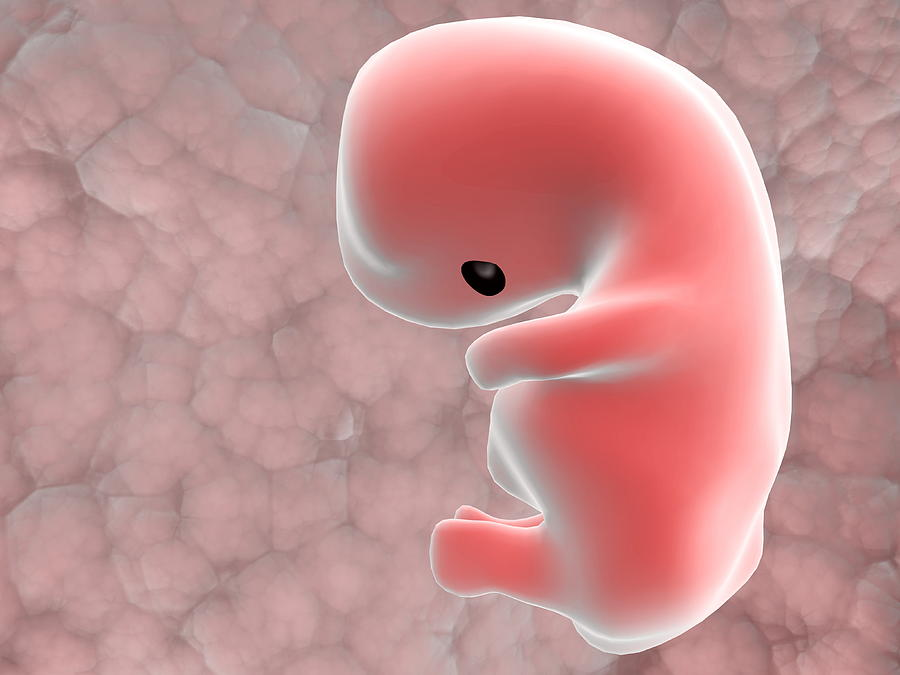
Model of Human Embryo Development

Context: Israel researchers have successfully created a "human embryo" in the lab without using traditional egg and sperm.

Fetal Development: A Process that Create Life

  • Fertilisation: The journey of embryo development begins with fertilization, which occurs when a sperm cell from a male and an egg cell from a female merge.
    • Fertilization typically takes place in the fallopian tube, forming a zygote, which is the initial single-celled structure that carries the full genetic material (46 chromosomes) of the future individual. 
image 27
  • Cleavage: After fertilization, the zygote undergoes a series of rapid cell divisions called cleavage.
    • These divisions produce a cluster of cells called a morula, which eventually develops into a blastocyst. 
image 28
  • Blastocyst Formation: The blastocyst is a hollow ball of cells with an outer layer known as the trophoblast and an inner cell mass.
    • The trophoblast will give rise to structures like the placenta, while the inner cell mass forms the embryo itself. 
image 29
  • Implantation: The blastocyst travels through the fallopian tube into the uterus, where it undergoes implantation. Implantation involves the attachment of the blastocyst to the uterine lining (endometrium).
    • The trophoblast cells play a crucial role in this process, as they invade the endometrial tissue to establish a connection with the mother's blood supply. 
image 30
  • Gastrulation: Gastrulation is a fundamental process that takes place during embryonic development.
    • It involves the reorganization of cells in the inner cell mass into three primary germ layers: the ectoderm (outer layer), mesoderm (middle layer), and endoderm (inner layer). 
    • These germ layers give rise to different tissues and organs in the body. 
image 31
  • Neurulation: Neurulation is a specific event during gastrulation that gives rise to the nervous system. The neural tube forms from the ectoderm and eventually develops into the brain and spinal cord. 
image 32
  • Organogenesis: Organogenesis is the process of organ formation, where the three germ layers differentiate and give rise to specific organs and structures.
    • It includes the development of the heart, lungs, liver, kidneys, and various other organs. 
image 33
  • Fetal Development: Once the major organ systems have formed, the developing embryo is referred to as a fetus.
    • The fetal period involves further growth and maturation of the organs and tissues. 
image 34
  • Birth: Human embryo development culminates in childbirth, typically occurring around the 38th to 40th week of pregnancy. 

New Development in Research on Embryo Development 

Lab Grown Embryo 

This lab-grown embryo is considered one of the most complete models of a 14-day-old human embryo. 

  • Multiple research teams are working on developing similar human embryo-like models, although none fully replicate the entire early embryo development process.
  • Lab-grown embryo models are not intended for use in pregnancy, their purpose is to study the early stages of fetal development.

Method used by the Israel’s Researchers

  • Researchers in Israel utilized a combination of stem cells and chemicals. 
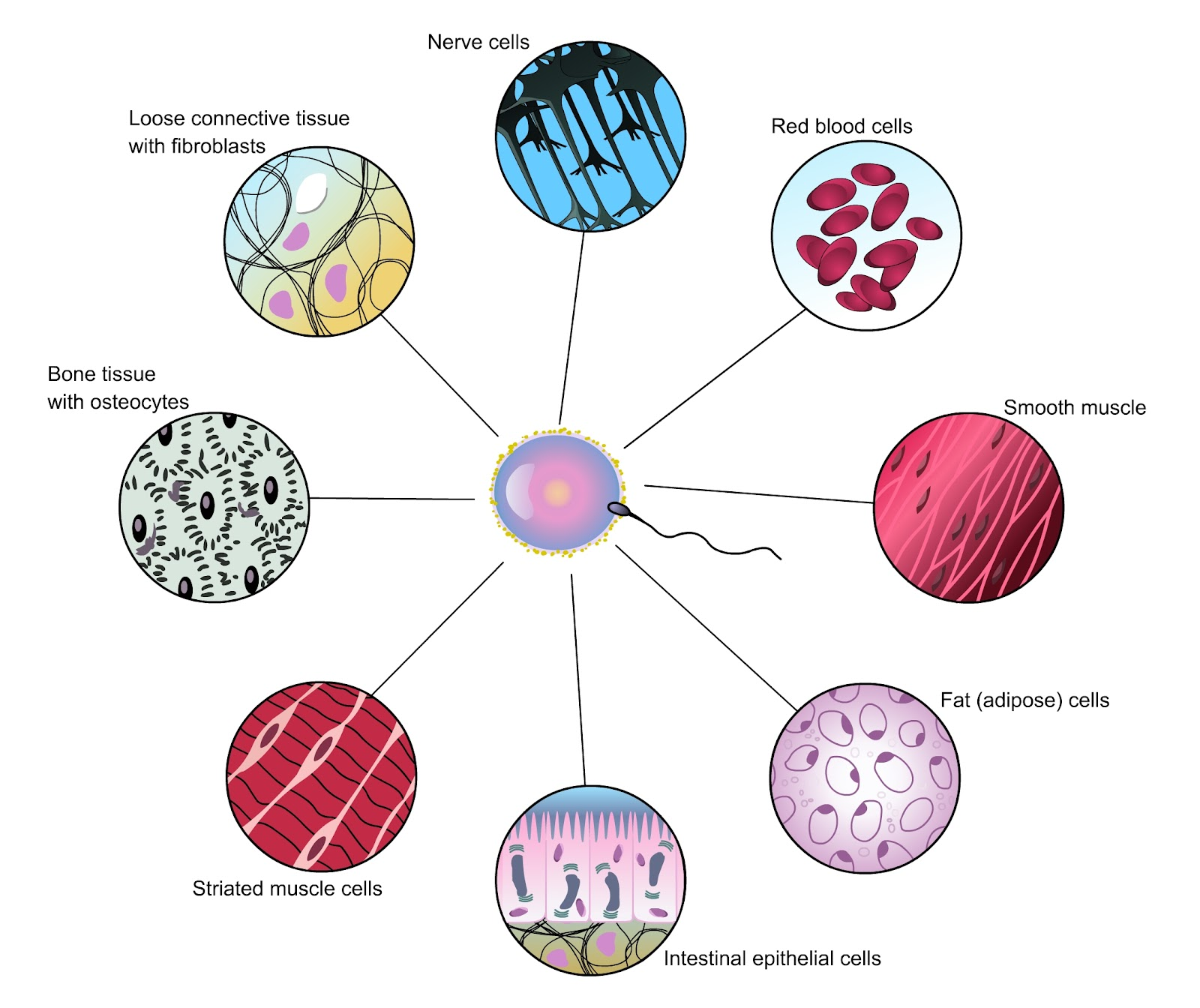
  • They achieved this by utilizing stem cells, which are early cells capable of differentiating into various cell types.
    • These stem cells spontaneously assembled to form an embryo-like structure, mimicking the molecular characteristics of an early embryo.
  • A small portion of this mixture spontaneously assembled into various types of cells, including those forming the fetus, providing nutrients to the fetus, establishing the body's developmental plan, and creating structures like the placenta and umbilical cord. 
  • One challenge they faced was that only 1% of the mixture assembled spontaneously, making the process relatively inefficient.

Challenges to Embryo research  

  • While they mimic aspects of development, they are not surrogate human embryos.
  • Ethical constraints make it challenging to study the early stages of embryo development after implantation in the uterus.
  • In most countries, it is legally accepted to destroy these models after studying them and attempts to implant them are not permitted.
  • There is no way for scientists to ethically research the early stages of development of an embryo, as it is difficult to study it after it implants in the uterus.

14 Days Limit on Embryo Research 

  • The 14-day limit on embryo research was proposed in the UK in 1979. 
  • It coincides with the natural endpoint of embryo implantation. After this point, cells begin to differentiate, and the embryo takes on the characteristics of an individual. 
  • This limit is based on ethical considerations, particularly related to the development of the "Primitive Streak," which signifies the transition from radial to bilateral symmetry in the embryo.

Importance of the research

  • Lab-grown embryo-like models serve as alternatives for studying early developmental processes.
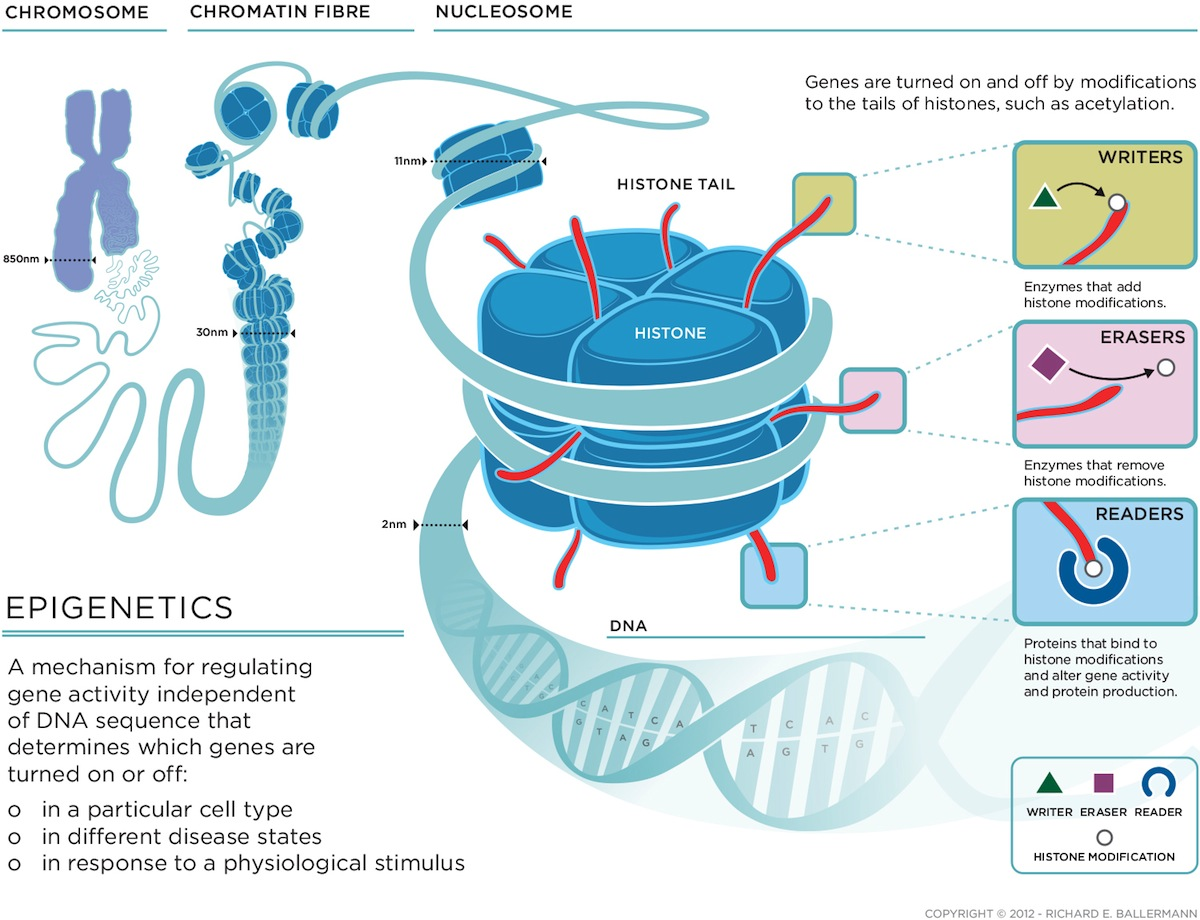
  • These models allow scientists to explore genetic, epigenetic, and environmental effects on developing embryos, providing insights into disease mechanisms and potential genetic treatments.
  • Research during the initial days of embryo development is critical as most miscarriages and birth defects occur during this period.
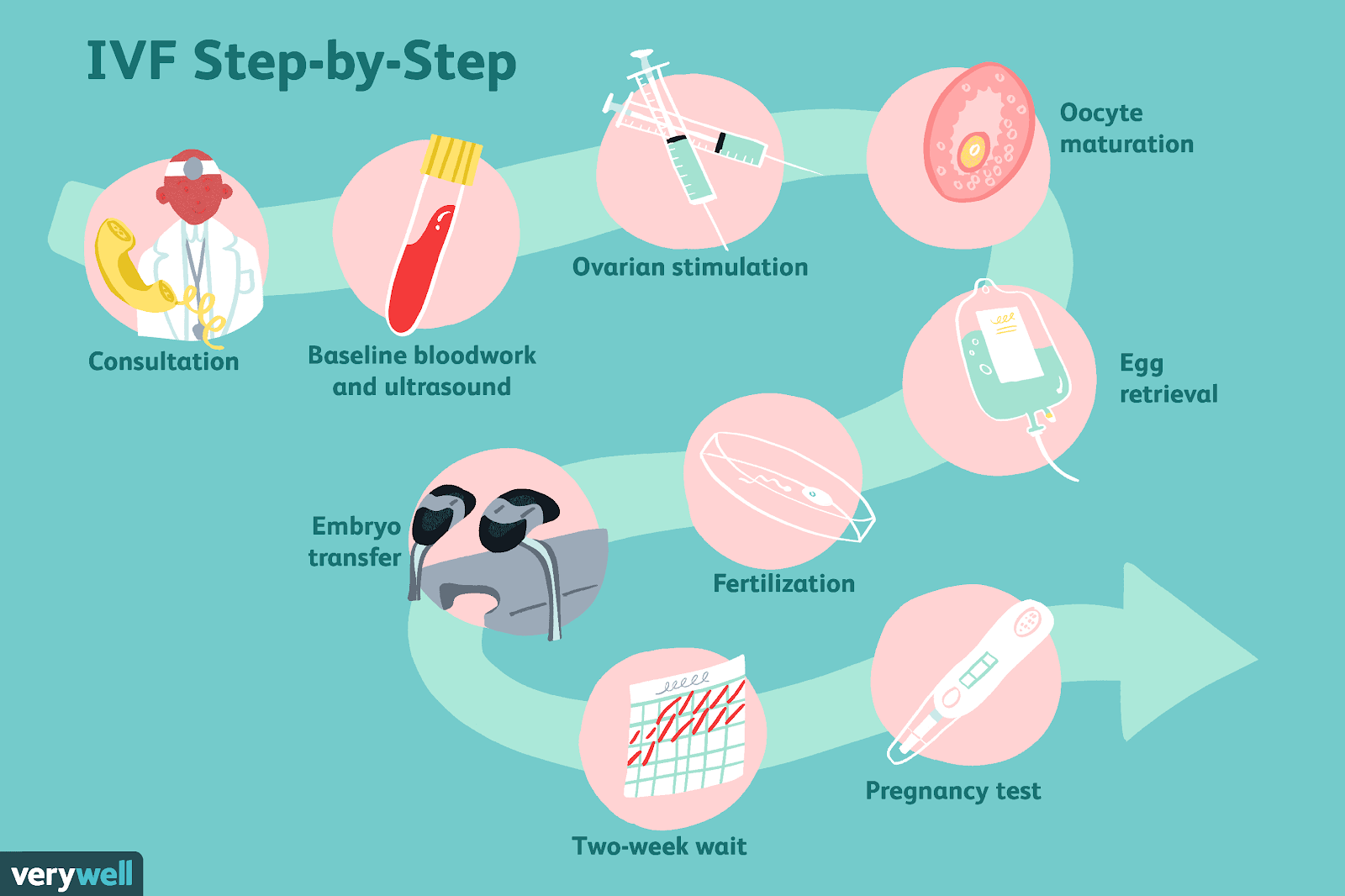
  • Studying these stages can enhance the understanding of genetic and inherited diseases and potentially improve in vitro fertilization success rates.
  • Embryo models have provided insights into errors during DNA duplication.
  • These models revealed that errors can occur earlier in the duplication process than previously assumed, impacting subsequent cell division. 
  • These models help scientists understand the roles of various genes in fetal development, enabling manipulation for research purposes.

Terms

Human EmbryoA human embryo is the earliest stage of human development, typically referring to the first eight weeks after conception. It is characterized by the rapid division and differentiation of cells as the embryo develops into various tissues and organs.
J9nwwJN4WGVyxgX6kbZzjF5mH5T SicNITOACnaT gqiST8oaIqUklwUC5hbRzRpAw2rUN3fEibOJTNe YiKkTVD eTIilJjSQJUt72r8fToVan
Stem Cells Stem cells are undifferentiated cells that have the unique ability to develop into different types of specialized cells in the body. In this context, they are used to create the embryo model.
Embryonic Stem CellsEmbryonic stem cells are pluripotent cells derived from the inner cell mass of an early-stage embryo. They have the potential to become any cell type in the body.
1WN89vZvy2 jSrYHhcpWEv8iKsg 7kLwy8S73QQ51G27tTCfK VO7Q50B3yu6ShOxQgxedA01lOBBNjTWF2tdY9tq am1IKto
Differentiation Differentiation is the process by which stem cells or precursor cells transform into specific cell types with distinct functions and characteristics.
v4TjKZm55HswjaZLJOWy9xXgJYSGbMCeFdx7bWXE6xImgXkS9qwa0 ggOETnVf2desgvSCKVmw9fEyLvTWtfC7zydTtNLG874kObhtOlYFANfi 6WBoYXSGIgHepk5gnlTphxuq2OfigCE9Ie UXKg
Foetus The fetus is the later stage of human development after the embryo, typically beginning around the ninth week of pregnancy and lasting until birth.
Placenta The placenta is an organ that develops during pregnancy and provides nutrients and oxygen to the developing fetus while also removing waste products.
GN3Me61S4JVwR5QNRRwOXUAMP90tADRYXMPeVMRNpf6p5HdN6vvoGh7q AO6lsd lZIKlXtIbacSmin 4VLZXYScOJWfeBCz3E A9uryCIj2GMmKYKMQq96BzBr3wg3a2uvBFdJDB4sbdrUIJIX KQ
Umbilical Cord The umbilical cord is a flexible tube-like structure that connects the fetus to the placenta, allowing for the exchange of nutrients, oxygen, and waste between the fetus and the mother.
In Virto Fertilisation IVF is a medical procedure in which an egg is fertilized by sperm outside the body, typically in a laboratory dish, and then implanted into the uterus to facilitate pregnancy.
7xRIIFiy WU7mSsTJnr5uFnqqhH34XxUbdvuTgjDqvggwafRFd5YTpFqFjCi7VWxiL0MOR8WLC4TULzRzskNivjnxsw6RyrIrv5TSv wnECT5kAfy1BpuhMa2G1L6cDhAtGB4GyPaKFImFQ6BBbDnQ
Genetic Code The genetic code is the sequence of DNA bases that determines the genetic information and traits of an organism.
Epigentics Epigenetics refers to changes in gene expression and cellular characteristics that are not caused by alterations in the DNA sequence itself but are influenced by external factors and chemical modifications.
TI R1UDRz8jv4M0ZArcLNMgY1QKt1zKQJkORiyQj ZbIqs 2l6BW4GKb8HWdU udOgAAdwK8ppmdKSbvci E6oKLcDn4styWoR3S HWNDVHN8cGuJPdl6essCsuVr7cp8hmYjl HFTRqlCc8sHdiA
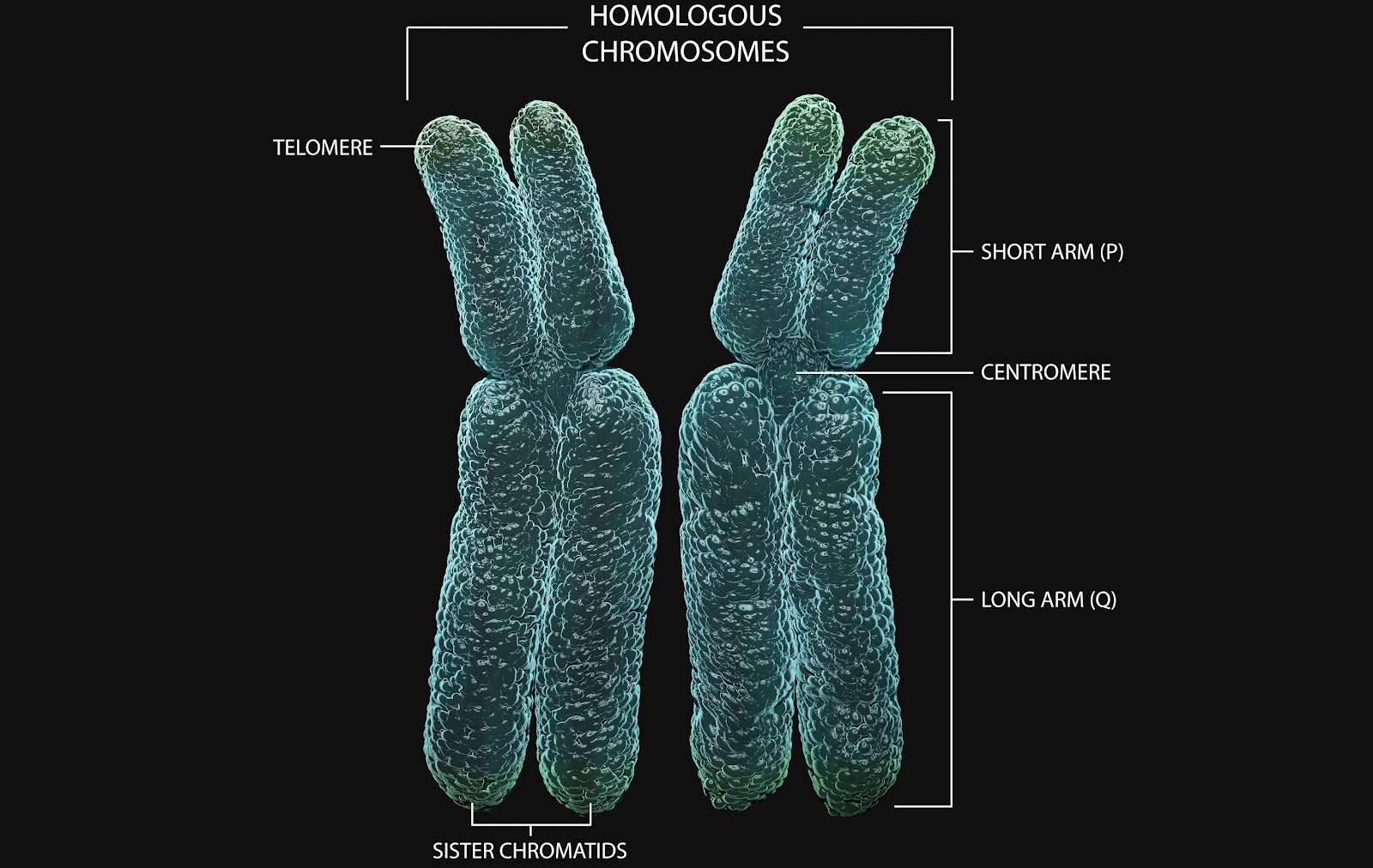
Chromosomes Chromosomes are thread-like structures in the cell nucleus that contain genetic information in the form of DNA. They are responsible for carrying and transmitting genetic traits.
Xee5xeR Po2KbjbD37BgGn6ErQtCGnlKwuq5FF3RFbCiQXTUuF KqvuooerWmdQCkOtHRKIbtbj8gLf8 C6J1h3 AcD9OZyhVeh4cs4C78UU7mFKiUVuNZ
Gene Manipulation Gene manipulation involves altering the genetic material of an organism, often for research purposes, to understand the role of specific genes in development and function.
SUApQ60b7To9ZiXo1qc58b 79clILDDNIu2ATUWrded3Mshj06tRIsJQ0HkErxJzCOqk zeyfQiZzdaDtlW JgQ6BvKn

Self-Confining Radioactive Isotope Target

Context: Researchers in the RIKEN Nishina Center for Accelerator-Based Science, in Japan have used Self-Confining Radioactive Isotope Target (SCRIT) to find the internal structure of unstable Casesium-137 nuclei.

Historical Context 

  • Henri Becquerel discovered that uranium gives off invisible rays that affected photographic film in 1896. 
  • Madam Curies built upon his work, named the phenomenon radioactivity and was also able to discover other radioactive elements.
  • Rutherford's work
    • By studying the absorption of radioactivity by thin sheets of metal foil, Rutherford was able to find at least two components of the radiation, which he named α (alpha) and β (beta).
    • Rutherford was also able to prove that radioactivity involved the transmutation of one element to another and discovered the concept of radioactive half-life.
image 23

Experiment of Ernest Rutherford, Hans Geiger, and Ernest Marsden

  • In this experiment, radioactive decay of radium generated a beam of alpha particles which were directed normally onto a very thin sheet of gold foil placed in an evacuated chamber.
image 24
  • Using a zinc sulfide screen at the focus of a microscope, particles deflected at any given angle could be detected.
  • The actual results of the experiment showed that even though many alpha particles passed through as expected, many others were deflected and very few through angles larger than 90 degrees.
    • Rutherford said about the result that “it was almost incredible as if you fired a 15-inch shell at a piece of tissue paper and it came back and hit you.”
  • Conclusion drawn from the experiment:
    • Rutherford rejected J. J. Thomson’s plum pudding model and instead proposed his own planetary model.
    • This model comprised of a high central charge concentrated into a very small volume when compared to the atom, with this central volume also accounting for the bulk of the atomic mass.

Experimental Setup to Probe a Normal Nucleus: Robert Hofstadter’s Apparatus

Robert Hofstadter developed an apparatus for studying nuclei’s internal structure. 

  • Matter is composed of atoms with small nuclei surrounded by electrons.
  • A high-energy electron beam from an accelerator was directed towards nuclei and by examining the scattering of the electrons, he could investigate how charges were distributed. 
  • He also investigated how the magnetic moment within the nuclei’s protons and neutrons was distributed. 
  • Physicists were able to ‘see’ inside stable atoms, and then inside their nuclei, by using other particles. 
  • Nuclei were thereby proven not to be homogeneous, but to have internal structures.
  • Based on these interactions, understanding of how charges and magnetic fields are arranged inside a nucleus was developed.

Electron Scattering for Short-lived Unstable Nuclei

The setup for probing internal structure used thin foils which contained numerous nuclei 

  • The new setup uses an apparatus to hold the nuclei of caesium-137 atoms as well as making sure electrons can interact with them, using a system called SCRIT (Self Confining Radioactive Isotope Target).

Method 

Production of caesium-137 ions (atoms stripped of electrons)

  • At first the researchers accelerated electrons in a particle accelerator to energise them.
  • After that they smashed them into a block of uranium carbide.
  • This produced a stream of caesium-137 ions (atoms stripped of electrons). 
  • This isotope of caesium produced has a half-life of around 30 years.
  • The target Cs (137) ions were trapped with a new target-forming technique that makes a high-density stationary target from a small number of ions by confining them in an electron storage ring.

Transporation to SCRIT 

  • The ions were then transported to the SCRIT system.
  • This system enables trapping the target ions in three dimensions along the electron beam using the electric attractive force between the ions and the electrons.
  • Using ion beam generation and beam-stacking system enables us to extract the caesium-137 unstable nuclei as a pulsed beam immediately after the photofission of uranium.
  • This results in an increasing chance of overlapping between the target caseium ions and the electron beam.
  • SCRIT allowed the researchers to achieve this with as few as 108 caesium-137 ions.
    • Without SCRIT, they would have required a trillion-times more.

Light do Add and subtract 

When light is shined through a tiny, round hole, the shadow on the opposite wall will be concentric circles of light and dark patches. This is because different parts of a light wave passing through the hole are forced to interfere with each other, creating the characteristic interference pattern on the wall.It can be understood as somewhere light adds and creates more light and somewhere else light subtracts and leads to a dark spot.

Studying of Electron-ion Interaction 

  • When an electron is scattered by an atom’s nucleus, it behaves like a wave during the interaction. Once scattered off, the electron-waves interfere with each other. 
  • The physicists used a device called a magnetic spectrometer to record the resulting interference pattern.
  • Information about a nucleus can be more readily obtained from the electrons’ interference patterns.

Significance:

  • The development of this setup is significant because it allows scientists to probe the nuclear structure of short-lived atomic nuclei using electron scattering, leading to a better understanding of nuclear physics.
  • The obtained angular distribution of elastically scattered electrons is consistent with a calculation. 
  • This success marks the realization of the anticipated femtoscope which clarifies the structures of exotic and short-lived unstable nuclei.
    • “femtoscope," a tool that can probe the femtometer scale of atomic nuclei (10^-15 meters). 
    • Using it we can probe the structures of some unstable nuclei have been hypothesised to have a non-uniform density of protons and neutrons.
    • With it the hope is that a unifying theory of nuclear structure will be found somewhere in the gaps between expected and unexpected shapes.
  • This tool can help tackle the longstanding problem of explaining the structure of atomic nuclei and potentially shed light on phenomena like the "island of stability."
  • Future Implications the potential for the femtoscope to reveal new insights into the structures of nuclei that are expected to have unique shapes, including non-uniform density and unusual behavior.

Terms 

RadiationRefers to the emission of particles or electromagnetic waves from a source. It can include various forms of energy, such as X-rays or alpha particles.
G V0Ymkoat7N7iFdrwNk6XHMisXSICs6Kz6kjZmSuF6x20eX4qaehPDTYBlewegUHibyFhUbfqRSpwAqJw 2hveeauVIqVDLvJfFO2WuT
AtomsThe fundamental units of matter, consisting of a nucleus (composed of protons and neutrons) and electrons orbiting around the nucleus. Atoms are the building blocks of all chemical elements.
NcXWhVa7Fh y GH D9AwmZNAXVPDx uzq7gh74
Nucleus The central part of an atom where most of its mass and positive charge are concentrated. It is also known as the atomic nucleus.
vQUH27NJragFflr3bFg5TM94aGsPd 9N4CbafQX1rf6dvlgxkHtSUkS71A6ZyZH40gA5fPmUoZW5l3SyjgmTYCMMBmb9wsk8nu It1k5ScGjq7zvBbHP8osfJXsy cOxiUgP7DH4vmatrVE 4juViA
Electron ScatteringA technique in which electrons are directed at a target material to probe its internal structure. The scattering pattern of the electrons provides information about the target's composition.Electron scattering provides essential information on the internal structure of atomic nuclei.
d3lPe4aoQEYQoCxf75Y3uiFdTpj86x KDFMuSFS vMQBtw td9Cy4vYeoHHOkZko11Evm
Half-LifeThe time it takes for half of a radioactive substance to decay or for half of a sample of particles to undergo a particular process. For example, Caesium-137's half-life is approximately 30 years.
jzf WYoe3YT7sh xs1CJkdfETt DMZxjhWYpzpzarb3oBeHUs8vmUoYoAHJx2pgmbtZtfVI63U
Magnetic SpectrometerA device used to measure the energy and momentum of charged particles, such as electrons, by analyzing their paths as they pass through a magnetic field.
Interference PatternA pattern of alternating light and dark regions produced when waves, such as electrons, interact with each other constructively and destructively, resulting in regions of higher and lower intensity.

vJFnJHaoY7FQwL GIcL5aKdfwsCLcVKXBUtmkW dZmVHTkR2l8jVIdXyU 8VPrWA0aY5WlAHcMuB0EwJqNFLL4VzSrRtAkrN8PORBOzSfQggYsDxNXECRyLFv8lR
FemtoscopeA hypothetical machine or apparatus capable of probing the femtometer scale, which is a unit of length equal to 10^-15 meters. In this context, it refers to a tool used to study the structure of atomic nuclei at an extremely small scale.
IsotopesAtoms of the same chemical element that have the same number of protons but a different number of neutrons. Isotopes of an element may have different physical properties, such as stability and radioactivity.
Magic NumberIn nuclear physics, a "magic number" refers to a specific number of protons or neutrons in the atomic nucleus that results in increased stability. The concept is used to explain why certain nuclei are more stable than others.
Island of stability Usually, the heavier the nucleus of an unstable element, the faster it will decay via radioactivity. But scientists have found some isotopes that decay slower than their ‘heaviness’ would suggest.This cluster is called the island of stability because these nuclei are unusually more stable.
aDEq0fevqNouiqGNK60zqY18WBgjcCJ4NxVncwSDBzWP0E7EOvdjX XlqOXruu7uB5yBUcsJ21oiWoOgWvd91 kkvXBHUPadKU4ZC4lgUr6kBswQS2A kMcWRe9XEk4WJdfpjUzekw9J4t8359FMHg

Space Sustainability

Context: India must contribute towards drawing up an international space resource management framework that balances competing objectives in pursuit of the use of outer space for peaceful purposes. 
What is outer space?

  • From the perspective of an individual on Earth, outer space is a zone that occurs about 100 kilometres (60 miles) above the planet.
  • Outer space is the expanse that exists beyond Earth and between celestial bodies.
  • Outer space is not empty but contains a low density of particles (predominantly a plasma of hydrogen and helium) as well as electromagnetic radiation, magnetic fields, neutrinos, dust, and cosmic rays.
  • The Karman line at an altitude of 100 km above sea level, is conventionally used as the start of outer space in space treaties and for aerospace records keeping.
image 20

What are the related agreements and conventions?

  • The Outer Space Treaty (1967): Treaty on Principles Governing the Activities of States in the Exploration and Use of Outer Space, including the Moon and Other Celestial Bodies.
  • The Rescue Agreement (1968): Agreement on the Rescue of Astronauts, the Return of Astronauts and the Return of Objects Launched into Outer Space.
  • The Liability Convention (1972): Convention on International Liability for Damage Caused by Space Objects.
  • The Registration Convention (1976): Convention on Registration of Objects Launched into Outer Space.
  • The Moon Agreement (1984): Agreement Governing the Activities of States on the Moon and Other Celestial Bodies.

Outer Space Treaty (1967): The Treaty on Principles Governing the Activities of States in the Exploration and Use of Outer Space, including the Moon and Other Celestial Bodies forms the basis of international space law.It prevents any claims of national sovereignty and permits all states to freely explore outer space.It entered into force on 10 October 1967. As of August 2023, 114 countries are parties to the treaty including the US, Russia, China, and India.Key Prohibition:Prohibits placing of nuclear weapons in space.Limits the use of the Moon and all other celestial bodies to peaceful purposes only.

Establishes that space shall be free for exploration and use by all nations, but that no nation may claim sovereignty of outer space or any celestial body.Exclusion:It does not ban military activities within space, military space forces, or the weaponization of space, except the placement of weapons of mass destruction in space.It is mostly a non-armament treaty and offers insufficient regulations to newer space activities such as lunar and asteroid mining.

What are Global commons?

Traditionally, “global common” is used to define those parts of the planet that fall outside the sovereignty of any state. The term is used typically to describe supra-national and global resource domains in which common-pool resources are found. The UN identifies four “global commons”, namely the high seas, the atmosphere, Antarctica and the outer space.

In the absence of an authoritative definition, “global commons” could be viewed from two lenses. First rooted in geopolitical or military relevance - it is not surprising that security establishments across the world recognise domains beyond the national jurisdictions, including the high seas, the air space outside territorial bodies of a state, and outer space, as vital connecting channels for the international order.

Others recognise outer space as a vital operational domain for keeping their nation safe while upholding international law. 

Second, “global common” is viewed based on the economic and commercial implications of shared resources, which could be overused by some at the expense of others, regardless of national jurisdiction. “Commons” is seen as constraining because it is associated with notions of shared ownership, public governance or limitations on use.

What are the associated issues and why there is a need for better governance of outer space?

  • Outdated space laws: Space laws do not have a dispute settlement mechanism, are silent on collisions and debris and offer insufficient guidance on interference with others’ space assets.
  • State-centric legislation: The legal framework is state-centric, placing responsibility on states alone. However, non-state entities are now in the race for commercial space exploration and utilisation. Some states are providing frameworks for resource recovery through private enterprises as it is not expressly forbidden for non-state actors. E.g., According to NASA, the asteroid named 16 Psyche is so rich in heavy metals that it is worth $10,000 quadrillion. So, there is a risk of starting a race for mineral exploration among both state and non-state actors. 
  • Misuse of strategic position: Reliance of militaries on satellite systems means that space assets become potential targets. E.g., Satellite constellations are commercial but governments can use their data to monitor military movements.
  • Increased space debris: The issues of overcrowded and congested space are becoming real. The Kessler syndrome, where a collision between two space objects could set off a cascading chain reaction, cannot be dismissed. Given the speed at which space objects travel—around 17,000 miles an hour—any collision between two objects in space could set in motion a disastrous turn of events with more and more collisions, creating an unmanageable amount of space debris.
  • Technological advances: Although on Earth, natural resources are being exhausted, many of them are present on celestial bodies, including asteroids, in enormous quantities. Technological advances have made it possible to mine even space.
  • Role of space in meeting sustainable development goals: Space applications and technology directly and indirectly prevent and reduce poverty, for example, through disaster monitoring and response – and through supporting other Sustainable Development Goals. Earth observation data is used to improve coffee quality and productivity in Timor-Leste, increasing the revenue of coffee growers. Satellite data are essential for mapping and monitoring natural and protected areas, fishing vessel tracking and navigation, monitoring illegal fishing, assessing marine and coastal health and identifying algal blooms. Land surface monitoring, biodiversity monitoring, the monitoring of poaching and smuggling routes, deforestation, forest fire risk, vegetation health and the protection of endangered species all benefit from space-derived data. 
image 21
image 22

What is the concept of space sustainability?

Space sustainability is the concept to use outer space for peaceful purposes and socio-economic benefits to meet present needs without compromising needs of future generations. 

Initiatives on Space Sustainability: 

Indian: Project NETRA by ISRO to monitor space debris to aid planning on protecting space assets. IS4OM platform to aid Space Situational Awareness by providing accurate information on on-orbit collision, fragmentation, hazardous asteroids, space weather forecast etc. 2+2 dialogue between India and U.S. for monitoring space objects.

Global: UN Committee on Peaceful Uses of Outer Space, 2019 adopted 21 voluntary, non-binding guidelines to ensure long-term sustainability of outer space activities.Summit for Space Sustainability- global summit focused on developing solutions for space sustainability.  Space Sustainability Rating by World Economic Forum to score sustainability of spaceflight operators to encourage responsible behaviour in space. 

Y Chromosomes

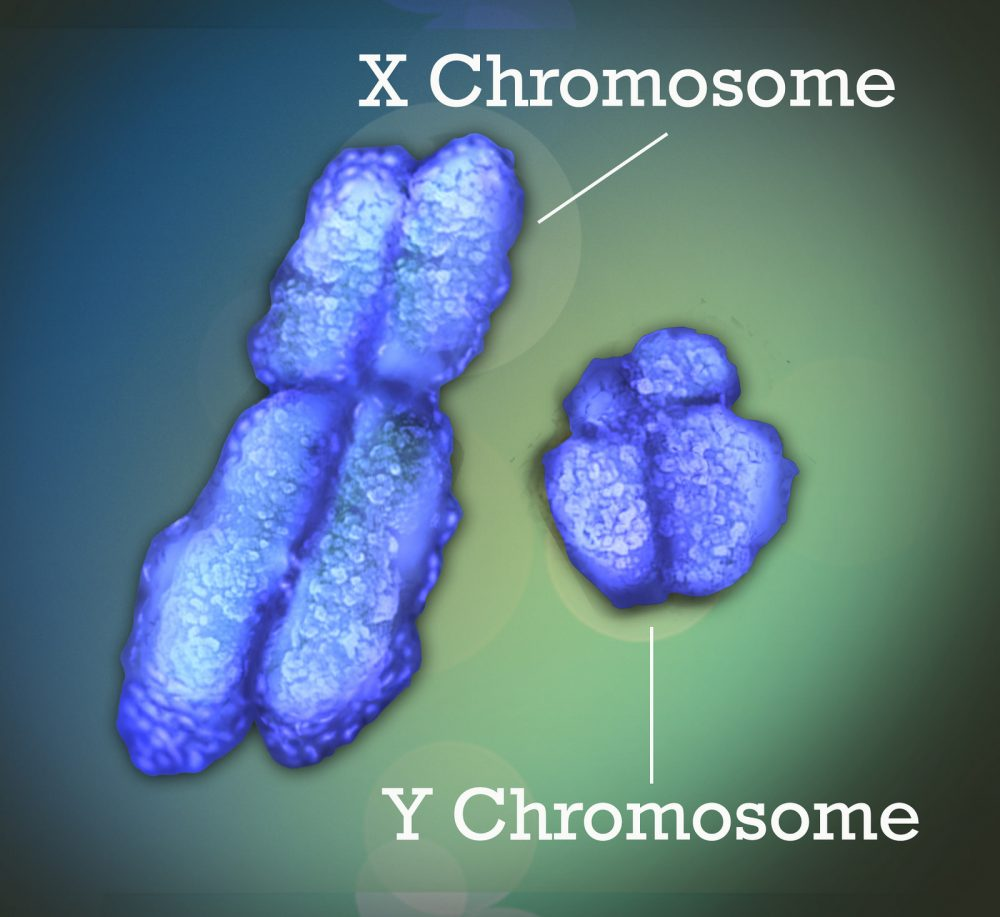
Context: Novel "long-read" techniques have enabled a comprehensive sequence spanning the entire Y chromosome. This landmark effort, featured in Nature, establishes a foundation for investigating sex and sperm genes, unraveling Y chromosome evolution, and exploring its potential disappearance in millions of years.

History of Y Chromosomes 

  • The distinct attributes of the Y chromosome can be attributed to the forces of evolution. 
  • Around 150 million years ago, the X and Y chromosomes were once a matched pair of typical chromosomes, as they still are in certain animals like birds and platypuses. 
  • The emergence of the SRY gene on one of these chromosomes marked the transformation of a proto-Y chromosome that was exclusively confined to the realm of testis development. 
  • The proto-Y underwent rapid degeneration, losing about 10 active genes per million years. 
  • This process led to the reduction of its gene count from an initial 1,000 to the present 27.
  • A small region known as the "pseudoautosomal" region retains its original form and closely resembles its counterpart on the X chromosome.

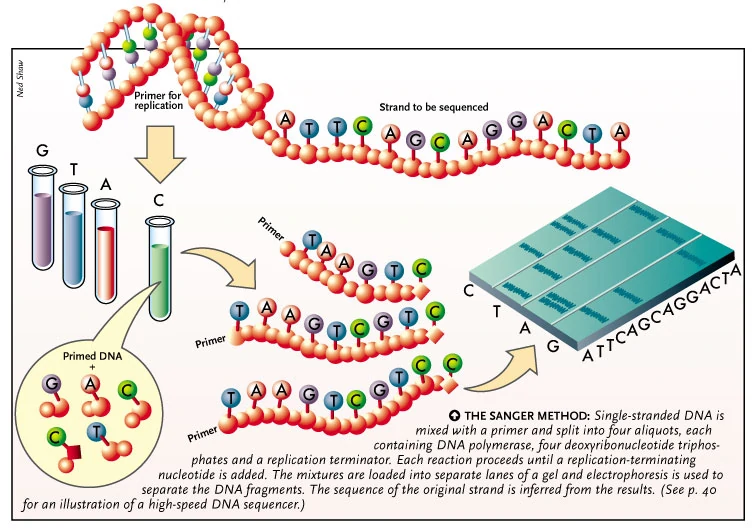
Short read Sequencing (SRS) to Read DNA 

SRS is a widely used DNA sequencing method. 

  • In this technique, the DNA molecule is broken down into smaller fragments, which are then sequenced in parallel. 
  • Each fragment is only a few hundred bases long, and the sequencing machine reads these short fragments and assembles them into a complete sequence using complex computational algorithms. 
  • This method is efficient and can generate a lot of data quickly, making it suitable for many applications. However, it has limitations when it comes to repetitive or complex DNA regions.
image 13

Challenges Faced by Short-read Technique while Sequencing the Y-chromosomes

  • Repetitive and Complex DNA: The Y chromosome contains regions with repetitive sequences, where the same sequences are repeated multiple times. SRS struggles to accurately piece together these repetitive sections because it's challenging to determine which sequence belongs where.
  • Structural Variations: The Y chromosome is structurally complex. It contains regions where the DNA sequence is inverted or duplicated. It also contains palindromes, and these variations can be difficult to resolve using short reads.
  • Junk DNA: The Y chromosome has a substantial amount of non-coding or "junk DNA." These repetitive sequences don't directly code for proteins or traits, but they can still affect the chromosome's structure and function. SRS struggles to handle these repetitive elements.

Long read Sequencing to Read DNA

Long-read sequencing is a genomic sequencing technology that enables the reading of significantly longer DNA or RNA fragments compared to traditional short-read sequencing methods.

These techniques have allowed scientists to sequence the Y chromosome from one end to the other with unprecedented accuracy and reliability.

Differences between Short-read Sequencing (SRS) and Long Read Sequencing (LRS)

SRSLRS
SRS typically produces reads that are a few hundred bases longLRS can produce reads that are thousands to even tens of thousands of bases long
In SRS, because the reads are shorter, scientists must rely on computational algorithms to assemble these short fragments into a complete genome or transcriptome.LRS, with its longer reads, simplifies assembly, spanning genes, structural variations, and chromosomes for better understanding.
SRS fails to study complex genomic features LRS is particularly useful for studying complex genomic features such as repetitive regions, structural variations, gene isoforms, telomeres, and centromeres.
SRS has a relatively higher error rate.LRS has a relatively higher error rate.

Terms

ChromosomesThread-like structures in the cell nucleus that carry genes. Humans have 23 pairs, including one pair of sex chromosomes.
5f2CkNZ8FmiYDvNpgHXeRO8XkQ1JXPSGoVEV uGqowpAA2FW1XU HlnMXVz0Sfq InjUndCdT9PPTtL0R8PGV4u hwgrE1P1iGoxSLbjVoDfA159zAJ1F0RRGYWzyWW1L4TsOr61P62gFO yMYaq7A
Y ChromosomeOne of the two sex chromosomes in mammals. It determines maleness and carries genes related to male sexual development and function.Example: In humans, males have one X chromosome and one Y chromosome (XY), while females have two X chromosomes (XX).
9iTxDnXG0ImWzUTnxP7hVUsme5X99tlupuDHM2OWCeZw40 4CPoE7q5eLjCXoEeWVLRPLwDBxT8HsUVjfxkP9PxrB UGFNHBM7kgHcir8x9sddJcIoEyyiF8CJkEdYl
GenesSegments of DNA that encode instructions for building and maintaining the body. They determine various traits and characteristics.Example: The SRY gene on the Y chromosome directs the development of male characteristics during embryonic development.
fjitfCsHVEU6s0 zDyOyENt kZTS5KlGg77fmP06rBGXJ BUDT 0ZlEuHlTAnwuoKLOH31tPfCTRuLVSW9p0qTugRsVrL22FK9xdRyJ6Ayf2StrL cZm9YdjIwS3FyJbzFz3k8dCGHTvDbroipqr A
Sex Determining Region Y This gene is responsible for triggering the development of male characteristics in embryos.
TestisThe male reproductive organ that produces sperm and male hormones.
OvaryThe female reproductive organ that produces eggs and female hormones.
Deoxyribonucleic AcidThe molecule carrying genetic information. It is composed of sequences of nucleotides.
wZhGBA1zvJF9v3K4Hs6Ia7HVWsBye6EhCHf xngUuCUsYLyJamFLHLk7jSC2sRRUy ku1X1oR1WTyQkRd8LxIy8 JWfoRySUIa
Junk DNA Non-coding DNA sequences that do not directly encode proteins but may have other regulatory roles.Example: The Y chromosome contains a significant amount of junk DNA, including repetitive sequences with unclear functions.
hUeT3PpC31gRTLJPe5HJxTlaWu
Sequencing Determining the order of nucleotides (A, T, C, G) in a DNA molecule.
Vv4OrWsKJnfai9sTycMwVqG U9 4JkvJiH323UD
Long-Read SequencingA technique that reads longer stretches of DNA, aiding in assembling complex sequences.
Proto-Genes Proto-Y evolved from an ancestral ordinary chromosome. The SRY gene appeared on the proto-Y, initiating the development of male characteristics.
Degeneration The gradual loss of genes or function in a chromosome over time due to various factors, including mutations.
Pseudo Autosomal RegionA small region on sex chromosomes where the X and Y chromosomes share genes. A region on the sex chromosomes (X and Y) that behaves like an autosomal chromosome (non-sex chromosome). It has shared genetic information between X and Y chromosomes.
Sequencing AmbiguityDifficulty in assembling DNA sequences due to repetitive regions or other complex structures.
CentromereA region of the chromosome important for cell division, as it helps separate chromosomes during the process.
awBy2BtYkQcPaQ eWSZ47B8vCLIOz9s1MdNnyp3re3v3qYakU44v2erEHDdro01m3rqGnsPvf4g I9VdP30fLs0d sLVrbgthp67s58XF qYnJgG1otagHLPaH4vvl0PpeO0J6MCR6lsMmU pTF0nA
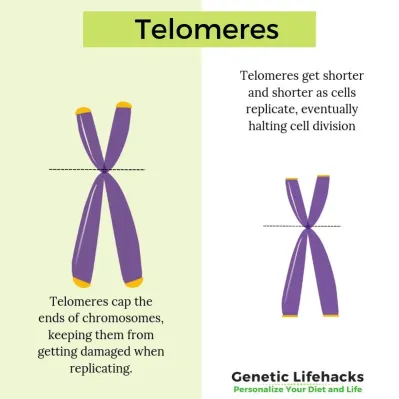
Telomere Protective caps at the ends of chromosomes that help maintain chromosome stability during replication.
gBDSBH5HYdKfih13PbuJgRE5rLWgtHE0umuYuICan 6VA5aK TucA6HXtw45q QkxVDA nzPD98v7oY3E82p klU7SI7u5SU09B1kinoRxlDQZHrBXruR7LIYPBjZfTCMlf
Gene ExpressionThe process by which information from a gene is used to synthesize a functional gene product, such as a protein.
Genetic DegenerationThe process of genes becoming non-functional or being lost due to mutations over generations.
Hormones Chemical messengers that regulate various physiological processes in the body. In this context, male hormones promote the development of male features.
Sexual DimorphismDifferences in appearance and behavior between males and females of the same species.

Gravitational Waves and LIGO

Context: The Government of India has given ‘In-Principle’ approval for Construction and Operation of Laser Interferometer Gravitational Wave Laboratory – India (LIGO) in India in collaboration with LIGO Laboratory, United States of America.

Gravitational Waves 

A gravitational wave is an invisible (yet incredibly fast) ripple in space. Gravitational waves travel at the speed of light. 

  • General Relativity proposed by Albert Einstein predicted that moving objects would generate gravitational waves in spacetime, just like a moving boat produces ripples in water.
  • Because these are ripples in spacetime itself, gravitational waves have the effect of causing a temporary deformation in a body when it comes in contact.
  • Since spacetime itself elongates or contracts during the propagation of the gravitational wave, everything lying in that spacetime also goes through the same experience.
image 7
  • For example,
    • This effect is like a ball being slightly squeezed along any of its diameters. 
    • The ball flattens a bit in the direction of pressure that is applied, while it bulges out in the perpendicular direction.
  • When a gravitational wave passes the Earth, for example, the Earth gets similarly squeezed in one direction, and bulges in the perpendicular direction.
  • Because gravity is the weakest of all natural forces, the deforming effect of gravitational waves is extremely tiny, the reason why it could not be experimentally verified for 100 years.
  • There are many astrophysical phenomena that are either very dim or completely invisible in any form of light that astronomy has relied on for 400 years.
  • Gravitational waves are a powerful new probe of the Universe that uses gravity instead of light to take measure of dynamical astrophysical phenomena.

Gravitational Waves Tell Us About

  • Studying gravitational waves gives enormous potential for discovering the parts of the universe that are invisible by other means, such as black holes, the Big Bang, and other, as yet unknown, objects. 
  • It provides experimental foundation to the general theory of relativity proposed by Einstein.
  • Gravitational waves allow us to directly observe some of the most cataclysmic events in the universe, such as black hole mergers and neutron star collisions.
  • Gravitational waves can potentially help us study the mysterious components of the universe, such as dark matter and dark energy.

Causes of the Gravitational Waves 

The most powerful gravitational waves are created when objects move at very high speeds. Some examples of events that could cause a gravitational wave are: 

  • When a star explodes asymmetrically (called a supernova). 
  • When two big stars orbit each other.
  • When two black holes orbit each other.
  • It can be created by the mergers of neutron stars and black holes.
  • Continuous gravitational waves are expected to be produced by a single spinning massive object like a neutron star.
image 8
  • Compact binary inspiral gravitational waves are produced by orbiting pairs of massive and dense ("compact") objects like white dwarf stars, black holes, and neutron stars.
image 9

Laser Interferometer Gravitational-wave Observatory (LIGO) 

LIGO stands for "Laser Interferometer Gravitational-wave Observatory". LIGO exploits the physical properties of light and of space itself to detect and understand the origins of gravitational waves (GW).

Measurement of Gravitational Wave by LIGO

image 10

The observatory comprises two 4-km-long vacuum chambers, built perpendicular to each other. Highly reflective mirrors are placed at the end of the vacuum chambers.

  • Light rays are released simultaneously in both the vacuum chambers. They hit the mirrors, get reflected, and are captured back. 
  • In normal circumstances, the light rays in both the chambers would return simultaneously.
  • But when a gravitational wave arrives, one of the chambers gets a little elongated, while the other one gets squished a bit.
    • In this case, light rays do not return simultaneously, and there is a phase difference (one returns after some time than the other). 
  • The presence of a phase difference marks the detection of a gravitational wave.

Instrumental Accuracy in Measurement 

The precision of the measurements required to detect gravitational waves is mind-boggling. 

  • At a 4-km scale, the changes in distance that light must travel because of the gravitational wave are 10,000 times smaller than the width of the proton (approximately one-millionth of a nanometer), and LIGO instruments are designed to pick this up. 
  • According to the LIGO website, this is like measuring the distance to a neighbouring star 4.2 light years away with an accuracy smaller than the width of human hair.
image 11

Unique Features of LIGO Observatory 

  • LIGO is blind: 
    • Unlike optical or radio telescopes, LIGO does not see electromagnetic radiation (e.g., visible light, radio waves, microwaves). 
    • But it doesn't have to because gravitational waves are not part of the electromagnetic spectrum. 
image 12
  • LIGO can't point to specific locations in space: 
    • Since LIGO doesn’t need to collect light from stars (in fact, it can detect gravitational waves coming from below!), it doesn't need to be round or dish-shaped like optical telescope mirrors or radio telescope dishes. 
    • Instead, each LIGO detector consists of two 4 km long, 1.2 m-wide steel vacuum tubes arranged in an "L" shape (LIGO's laser travels through these arms), and enclosed within a 10-foot wide, 12-foot-tall concrete structure that protects the tubes from the environment.

Limitation of LIGO 

  • The longer the Better: the longer the interferometer's arms, the bigger the absolute changes that gravitational waves make to total arm length (i.e., total distance traveled by the lasers).
    • As a result, longer arms and greater laser travel amplify the impact of even small gravitational waves, increasing their detectability in the interferometer.
  • Need more power: Increasing laser power also enhances its performance.
    • In this case, the more laser photons that merge from each arm the sharper the fringes that are measured by the photodetector.
  • External Noises: It uses a seismic isolation system to protect the LIGO from unwanted vibration that can hamper the detection of Gravitational waves.
    • The instruments at these observatories are so sensitive that they can easily get influenced by events like earthquakes, landslides, or even the movement of trucks, and produce a false reading. 
  • Multiplicity of Results: It is difficult for a single LIGO detector to confirm a gravitational wave signal on its own. Multiple instruments (ideally 3 or more) must be able to detect the signal to localize the source in the sky.
  • Availability of Land resources: The interferometry needs a very large tract of land which may result in conflict over transfer and compensation.

Benefits of LIGO India 

  • Though LIGO's mission is to detect gravitational waves from some of the most violent and energetic processes in the Universe, the data LIGO collects may also contribute to other areas of physics such as gravitation, relativity, cosmology, astrophysics, particle physics, and nuclear physics. 
  • Socio-Economic benefits: the construction of an observatory will provide employment opportunities in the adjoining areas such as jobs for guards, construction work, tourist guide etc. 
  • International Collaboration: The LIGO provide an opportunity to the scientific community of India to integrate with world leading to adoption of best practices and can lead to effective utilisation of resources.

Terms 

Space-Time ContinuumThe space-time continuum consists of four dimensions, the three dimensions of space (length, width, and height…or up/down, left/right, and forward/backward, depending upon how you wish to think of them) plus the fourth dimension of time.
7WceMP4Mb4mufyZ1a
InterferometryInterferometers measure the interaction of two or more beams of light, obtaining information from the patterns that form as a result.In simple terms, Interferometry uses the change in pattern formed by the interaction of light rays to get the measurement of some physical quality, in this case change in pattern attribute to the detection of the gravitational wave.
JUZVf6ntY9YyjNrpd61dDXHCkK64N2itj9jmO17q7ElsXDKrDVf0yuvHeNXX0piIfRCNKlwsYGceEcgBviykGC1ZpypQaWTLj5R3rlsJH9CBN08O zvUWf7JXXOv6p2sVjFwM2gR0ap84ECDlMlJoA

Aditya L1 Mission

Context: ISRO's Aditya L1 mission was successfully launched from Satish Dhawan Space Centre on 2 September 2023. 

About Aditya L1:

  • Aditya L1 is the first space-based observatory class to study the Sun.
  • It was launched to the low earth orbit using ISRO's reliable Polar Satellite Launch Vehicle (PSLV).
    • Aditya-L1 will undergo multiple apogee-raising orbital manoeuvres and is expected to exit the Earth’s orbit on the fifth day after launch.
    • After leaving Earth’s gravity, it will get into a heliocentric path. Later, getting into the orbit around L1 is the most crucial aspect. L1 is not an object, just a location in space, which also co-moves with Earth around the Sun.
  • Once launched, it will take 125 days to travel to its destination at L1. 
image 1

Objectives:

  • Study of Solar upper atmospheric (chromosphere and corona) dynamics.
  • Study of chromospheric and coronal heating, physics of the partially ionized plasma, initiation of the coronal mass ejections, and flares
  • Observe the in-situ particle and plasma environment providing data for the study of particle dynamics from the Sun.
  • Physics of solar corona and its heating mechanism.
  • Diagnostics of the coronal and coronal loops plasma: Temperature, velocity and density.
  • Development, dynamics and origin of CMEs.
  • Identify the sequence of processes that occur at multiple layers (chromosphere, base and extended corona) which eventually leads to solar eruptive events.
  • Magnetic field topology and magnetic field measurements in the solar corona.
  • Drivers for space weather (origin, composition and dynamics of solar wind.

Payloads: 

  • Weighing 1,475 kg, it will carry seven payloads. The payloads include-
    • Solar Ultraviolet Imaging Telescope (SUIT) is designed to image the Sun in the 200-400 nanometre (nm) of the ultraviolet band. SUIT’s imager will continuously record the entire disk of the Sun through 11 filters. The images of these layers could help improve our understanding of the Sun’s immediate atmosphere.
  • Visible Line Emission Coronagraph (VELC) is the Corona/Imaging and Spectroscopy payload that Aditya-L1 will use to focus on the Sun's Corona. 
  • Solar Low Energy X-ray Spectrometer (SoLEXS) and High Energy L1 Orbiting X-ray Spectrometer (HEL1OS) payloads will study the X-ray flares emitted by the Sun over a wide range of X-ray energy range.
  • Aditya Solar wind Particle Experiment (ASPEX), during the cruise phase, will turn on and start performing in situ measurements of solar particles and ions. 
  • Plasma Analyser Package for Aditya (PAPA) will study the solar wind and energetic ions. 
  • Magnetometer (MAG) payload is meant to measure the low-intensity interplanetary magnetic field in space.
image 4

Significance of the mission:

  • Aditya-L1 would help in understanding the effect of the Sun on the Earth and its surroundings. The mission hopes to generate user-friendly informationto issue space weather alerts that can help safeguard a range of satellite-dependent operations such as telecommunications, mobile-based Internet services, navigation, power grids, etc.
    • Disturbances in the form of solar flares, Coronal Mass Ejection, or solar winds directed towards Earth, can adversely impact space weather; studying the Sun is, therefore, of paramount importance.
  • It would study solar upper atmospheric (chromosphere and corona) dynamics and understand the physics of the solar corona and its heating mechanism.
    • The difference between the Sun's upper atmosphere's temperature of 1-3 million degrees Celsius and its lower temperature of 5500 degree Celsius is one of the most significant unresolved problems in the study of solar physics.
    • To understand this issue, it will capture near-simultaneous photos of the many layers of the Sun's atmosphere, revealing how energy is routed and transported from one layer to the next.
  • Aditya-L1 can potentially pave the way for future Indian astronomy missions. After the launch, India entered into an elite group of nations that have sent probes to study the Sun.
    • Aditya-L1 is ISRO’s second astronomy observatory-class mission after AstroSat.
    • AstroSat, weighing 1,515 kg, lifted off with five in situ instruments, is India’s first dedicated astronomy mission aimed at studying celestial sources in X-ray, optical, and UV spectral bands simultaneously, and remains operational almost eight years after its launch in 2015. 

Lagrange points:

  • Lagrange points, named after mathematician Josephy-Louis Lagrange who discovered them, are positions in a moving two-body system where forces acting on a third body of smaller mass cancel each other out. 
  • At these special locations in space, the combined gravitational forces of two large bodies (such as the Sun and Earth or Earth and the Moon) equal the centrifugal force felt by a much smaller third body. The interaction of the forces creates a point of equilibrium (net of all forces is zero) where a spacecraft may be "parked" to make observations.
  • There are five Lagrangian points, denoted L1 to L5, which are located along the line connecting the two larger celestial bodies. Of these, three are unstable and two are stable.
    • Unstable Lagrange points are labelled L1, L2 and L3. Unstable means that if an object/satellite located at these points is nudged, it will break out from the orbit and drift off into interplanetary space.
    • Stable Lagrange points are labelled as L4 and L5. This means that if a small object at L4 or L5 is nudged, there would be an effective restoring force to bring a satellite back to the stable point.
image 5
  1. L1 point: L1 is located roughly 1.5 million kilometres from Earth, where the Sun and Earth's combined gravitational pull permits a spacecraft to remain nearly stationary to the Sun. The L1 point provides an uninterrupted view of the Sun as the satellite can continuously view solar activities without eclipses. 
  2. L2 point: L2 point is used as a location for space-based observatories, as it provides an unobstructed view of the Universe and is stable enough to allow long-duration observations. James Webb Space Telescope is placed at the L2 Lagrange point. 
  3. L3 point: L3 point lies behind the Sun, opposite to Earth. Objects in L3 cannot be seen from Earth and offers the potential to observe the far side of the Sun. There is no known natural object at the L3 point, but it is sometimes discussed as a possible location for a future space-based observatory.
  4. L4 and L5 point:  L4 and L5 are good and stable locations, but are much farther from Earth compared to L1, which is directly between the Sun and the Earth.

HC permits Stem Cell Therapy for two kids with autism

Context: In an interim order, the Delhi High Court allowed two children suffering from autism spectrum disorder (ASD) to undergo stem cell therapy for treatment of their condition. 

  • Earlier, in December 2022, the Ethics & Medical Registration Board said that the use, promotion and advertisement of stem cell therapy shall amount to professional misconduct.
  • Experts from AIIMS have maintained that stem cell therapy is allowed as a mode of treatment only for blood cancer and its use for treating autism spectrum disorder is currently at an experimental stage. More research is required about the use of the therapy for ASD before it is prescribed as a treatment.

Stem Cells and Stem Cell Therapy:

  • Stem cells are unique cells with the potential to develop into specialised cell types in the body. They can self-renew which makes them valuable for therapeutic applications.
  • Stem cell therapy or treatment utilises stem cells to promote the repair, regeneration, or replacement of damaged or diseased tissues within the body. 
Stem Cells and Stem Cell Therapy

Uses of Stem Cell Therapy:

  • Regenerative Medicine: The technology can replace or regenerate damaged or diseased tissues and organs. This could revolutionise treatments for conditions like spinal cord injuries, heart diseases, Parkinson's, and diabetes.
  • Cell-Based Therapies: Stem cells can be used to create specialised cells for transplantation. E.g., Hematopoietic stem cells are used in bone marrow transplants to treat blood-related disorders and cancers. 
  • Personalised Medicine: Potential to create patient-specific therapies by using patient's own cells to generate replacement tissues, reducing the risk of immune rejection and the need for organ donation. 
  • Drug Testing/Disease Modeling: Used to create disease-specific cell models, enabling researchers to better understand diseases and develop new drugs. This reduces the need for animal testing and enhances the accuracy of drug testing. 

Status of Stem Cell treatment in India:

  • Stem Cell Treatment is still under research mode in India and the Government is supporting various basic pre-clinical and clinical research.
  • Indian Council of Medical Research has released the National Guidelines for Stem Cell Research (NGSCR) 2017, through which the government has supported the ethical and scientific conduct of stem cell research.
  • As per the NGSCR 2017, only bone marrow/hematopoietic stem cell transplantation for blood disorders (including blood cancers and thalassemia) is permitted use of stem cells. This is known as bone marrow transplant (BMT) or hematopoietic stem cell transplant (HSCT). 
  • At present, stem cell therapy other than BMT/HSCT for conditions listed in the NGSCR 2017 is neither available nor permissible. For other diseases, studies are being conducted to find if stem cells can help cure these diseases.

Challenges:

  • Ethical Considerations: The use of embryonic stem cells raises ethical concerns, as their extraction from embryos results in destruction of the embryo.
  • Tumour Formation: In certain cases, stem cells can form tumours if they differentiate in an uncontrolled manner.
  • Immune Rejection: Even if the patient's own cells are used, there is some possibility of immune rejection. 
  • Cost and Accessibility: Stem cell therapies can be expensive, limiting access for many patients. 
  • Regulation: Through India has "National Guidelines for Stem Cell Research 2017”, however, as the field of stem cell research and therapy is rapidly evolving, challenges may arise regarding its oversight and regulation. 

Way Forward:

  • Developing clear and appropriate regulations for stem cell research and product development. 
  • Informed Consent for trials and potential risks arising out of it.
  • Developing affordable and accessible therapies.
  • International collaboration for sharing best practices and advancement of technology for responsible development. 

Stem cell technology has the potential to revolutionise medicine and scientific understanding, however, its challenges must be addressed responsibly through rigorous research, ethical considerations, and effective regulatory oversight. 

Pragyan confirms Sulphur near South pole of Moon

Context: The Indian Space Research Organisation (ISRO) announced that Pragyan, the rover of the Chandrayaan-3 mission, has confirmed the presence of Sulphur on the moon’s surface, near its South pole. 

Major Highlights:

  • Laser-Induced Breakdown Spectroscopy (LIBS) instrument aboard the rover has made the first-ever in-situ measurements on the elemental composition of the lunar surface near the south pole. 
  • These in-situ measurements confirm the presence of Sulphur (S) in the region unambiguously, something that was not feasible by the instruments aboard the orbiters.
  • Preliminary analyses have unveiled the presence of Aluminum (Al), Sulphur (S), Calcium (Ca), Iron (Fe), Chromium (Cr), and Titanium (Ti) on the lunar surface. Further measurements have revealed the presence of manganese (Mn), silicon (Si), and oxygen (O). A thorough investigation regarding the presence of Hydrogen is underway.

Laser-Induced Breakdown Spectroscopy instrument (LIBS):

  • LIBS is a scientific technique that analyses the composition of materials by exposing them to intense laser pulses. A high-energy laser pulse is focused onto the surface of a material, such as a rock or soil, and generates localised plasma.
  • The collected plasma light is spectrally resolved and detected by charge-coupled devices. Since each element emits a characteristic set of wavelengths of light when in a plasma state, the elemental composition of the material can be determined.
image 123

Key Fact:

  • In the commemoration of the Chandrayaan-3 mission, August 23 will be celebrated as National Space Day.

Source: The Hindu