Prelims Nuggets

Earthquake in Morocco : Causes

Context: According to the Moroccan Interior Ministry, a massive earthquake that struck central Morocco has resulted in at least 2,122 deaths and 2,421 injuries. Most affected province and cities are Al Haouz province and Taroudant, Agadir, Al Hoceima (Mediterranean port city).

image 37

About Morocco

  • It is a country in the Maghreb Region of Western North Africa that lies directly across the Strait of Gibraltar from Spain.
  • The Atlas Mountains dominate the central part of the country, while the Rif Mountains make up the northern edge.
  • The Imperial Cities of Morocco are the four historical capital cities of Morocco: Fez, Marrakesh, Meknes, and Rabat. Rabat is the current capital of Morocco.
  • Jebel Toubkal is the highest point in Morocco and is also the highest peak of the Atlas Mountains.
  • The southeastern region of the country is blanketed by the Sahara Desert, the world's third-largest desert.
  • It is bordered by the two countries of Western Sahara to the south and Algeria to the east. It has coastlines on the Atlantic Ocean to the west and the Mediterranean Sea to the north.
  • Berbers or the Berber peoples, also called by their contemporary self-name Amazigh or Imazighen, are a diverse grouping of distinct ethnic groups indigenous to Morocco.
  • Most of Morocco north of Western Sahara, particularly along the coasts, experiences a typical Mediterranean climate, with mild wet winters and hot dry summers.
  • A Moroccan traveler, Ibn Battuta (1333-1347 AD) visited India during the reign of Muhammad-bin-Tughlaq.
  • With its acquisition of Western Sahara, Morocco came to possess some two-thirds of the world’s reserves of phosphates, used for the manufacture of fertilizers and other products.

Cause of earthquake in Morocco

  • This area is situated along the boundary of the African and Eurasian tectonic plates, where these massive plates interact, leading to the possibility of seismic activity.
  • Earthquakes in this region result from the northward convergence of the African plate towards the Eurasian plate along a complex plate boundary.
  • In the case of a particular earthquake in this area, oblique-reverse faulting occurs at shallow depths within the Moroccan High Atlas Mountain range.
  • North Africa typically experiences infrequent seismic events, resulting in minimal preparedness. The construction of buildings in this region tends to be compact and often does not adhere to earthquake-resistant construction standards.

Read also:

Earthquake Waves & Shadow ZonesTsunami

ASEAN-India Summit

Context: Prime Minister Narendra Modi's recent visit to Jakarta, the capital of Indonesia, had a primary focus on strengthening India's engagement with the significant group of ten Southeast Asian nations. This visit occurred just before India was set to host the G-20 summit in New Delhi, where India held the presidency.

More about the news:

  • Mr. Modi's presence at the annual ASEAN-India summit aimed to solidify traditional ties with neighbouring Asian economies, especially during a period marked by increased uncertainty in global trade.
  • The United Nations Conference on Trade and Development (UNCTAD) pointed out in its June 21 'Global Trade Update' that the outlook for global trade in the second half of 2023 was pessimistic due to various negative factors, including downgraded global economic forecasts, persistent inflation, financial vulnerabilities, and geopolitical tensions.
  • Against this backdrop, the joint leaders' statement at the ASEAN-India summit on 'Strengthening Food Security and Nutrition in Response to Crises' highlighted the shared concerns in the region regarding heightened global food insecurity.
    • This insecurity had been exacerbated by factors such as the conflict in Ukraine, climate change, and national policies responding to inflationary pressures.
    • India's recent restrictions on rice exports had raised concerns, as the prices of this regional staple were reportedly nearing a 15-year high.
    • Additionally, the looming threat of El Nino, historically associated with disruptive weather events, added to the region's worries, making ASEAN leaders understandably cautious.
  • Mr. Modi's emphasis on the necessity for a rules-based post-COVID-19 world order and a free and open Indo-Pacific was clearly targeted at certain members within the Asian bloc who had been increasingly uneasy about China's recent assertiveness and territorial claims in the South China Sea.
  • The Prime Minister's implicit message to ASEAN members was that India was a more reliable, long-term strategic and economic partner, with no territorial ambitions that might cause discomfort.
  • India also aimed to position itself as a voice to amplify the concerns of the Global South, emphasizing that such cooperation would be mutually beneficial.
  • For India, dealing with an underwhelming free trade agreement (FTA) with the 10-nation ASEAN grouping posed challenges.
    • While trade volume with Eastern economies had increased, it was largely skewed, with imports far exceeding India's exports.
    • The widening trade deficit, coupled with concerns that Chinese products were taking advantage of lower tariffs under the FTA to enter the Indian market, led to a review of the agreement, expected to be completed in 2025.
  • In the interim, India needed to maintain close engagement with ASEAN members, both as a trade hedge against the slowdown in its primary Western markets and to underscore its significance as a steadfast ally.
image 36

About ASEAN: 

  • ASEAN, short for the Association of Southeast Asian Nations, is a regional alliance with the primary goal of fostering economic and security collaboration among its ten member states: Brunei, Cambodia, Indonesia, Laos, Malaysia, Myanmar, the Philippines, Singapore, Thailand, and Vietnam.
  • ASEAN came into existence in 1967, in Bangkok, Thailand, following the signing of the ASEAN Declaration (also known as the Bangkok Declaration) by the founding nations of ASEAN, including Indonesia, Malaysia, the Philippines, Singapore, and Thailand.
  • ASEAN's motto is "One Vision, One Identity, One Community."
  • The ASEAN Secretariat is headquartered in Jakarta, Indonesia.
  • The institutional mechanisms: 
    • ASEAN Summit: The member states convene annually to discuss regional issues and set policy directions.
    • ASEAN Coordinating Council (ACC): The ACC oversees the implementation of ASEAN agreements and decisions.
    • ASEAN Secretariat: Based in Jakarta, Indonesia, this body supports and facilitates ASEAN's activities and initiatives.
    • ASEAN Regional Forum (ARF): ARF serves as a platform for dialogue and cooperation on political and security matters among ASEAN member countries and their partners.
    • Decision Making: Decision-making within ASEAN is achieved through consultation and consensus among member states.

The fundamental principles of ASEAN are as follows:

  • Mutual Respect: Member states must mutually respect the independence, sovereignty, equality, territorial integrity, and national identity of all nations.
  • Non-Interference: ASEAN adheres to the principle of non-interference in the internal affairs of its member states.
  • Peaceful Dispute Resolution: Differences or disputes are to be settled in a peaceful manner.
  • Renunciation of Force: Member states renounce the threat or use of force.
  • Cooperation: Effective cooperation among member states is a fundamental principle to achieve ASEAN's objectives.

The origin and evolution of ASEAN can be summarized as follows:

  • Association of Southeast Asia (ASA), 1961: ASA was established by Indonesia, Malaysia, the Philippines, Singapore, and Thailand to promote economic, cultural, and social cooperation.
  • Bangkok Declaration, 1967: The formal establishment of ASEAN occurred through the signing of the Bangkok Declaration.
  • First ASEAN Summit, 1976: Member countries pledged to work toward regional peace and stability.
  • Treaty of Amity and Cooperation (TAC), 1976: TAC laid the groundwork for peaceful relations and cooperation among member states.
  • ASEAN Free Trade Area (AFTA), 1992: AFTA aimed to create a free trade area among member countries.
  • ASEAN Charter, 2008: The ASEAN Charter provided a legal framework for the organization and strengthened its institutional structure.
  • ASEAN Economic Community (AEC), 2015: AEC sought to integrate the economies of member countries and promote regional economic growth.
  • ASEAN joins Regional Comprehensive Economic Partnership (RCEP), 2020: ASEAN member states became part of RCEP, a free trade agreement.

ASEAN possesses several notable strengths as a collective of nations:

  • Regional Stability: ASEAN has played a pivotal role in advancing peace and stability in its region, exemplified by the signing of the Treaty of Amity and Cooperation (TAC) and the ASEAN Regional Forum (ARF).
  • Economic Growth: With a combined population exceeding 630 million people in 2021, ASEAN represents a dynamic and rapidly expanding market for trade and investment. It has also emerged as a major centre for manufacturing and trade, ranking as the world's fourth-largest exporter.
  • Cultural Diversity: ASEAN's rich diversity in terms of cultures, languages, and religions fosters opportunities for cross-cultural exchange and cooperation.
  • Strategic Location: ASEAN's strategic position at the intersection of major trade routes, particularly the vital Strait of Malacca, underscores its significance as a hub for trade and commerce.

India and ASEAN share cooperation in various domains: 

  • Annual Summits: India and ASEAN hold annual summits to strengthen their partnership.
  • Trade and Investment: A free trade agreement (FTA) between India and ASEAN has boosted trade and investment. ASEAN is India's fourth-largest trading partner.
  • Regional Connectivity: India is actively involved in enhancing connectivity with ASEAN through projects like the India-Myanmar-Thailand Trilateral Highway and the Kaladan Multimodal Transit Transport Project.
  • Defence and Security: Both sides have increased defence cooperation through joint military exercises and forums like the ASEAN Defence Ministers' Meeting Plus (ADMM+).
  • Education and Research: The ASEAN-India Centre at the Research and Information System for Developing Countries (RIS) facilitates research and studies on ASEAN-India relations.
  • Delhi Dialogue: An annual forum for discussing politico-security, economic, and socio-cultural issues between ASEAN and India.
  • Funding: Financial assistance is provided through the ASEAN-India Cooperation Fund, ASEAN-India S&T Development Fund, and ASEAN-India Green Fund.

Despite progress, several issues and challenges persist in India-ASEAN relations:

  • Trade Imbalances: India faces a growing trade deficit with ASEAN, raising concerns about the benefits of the ASEAN-India Free Trade Agreement.
  • Bilateral Focus: India tends to engage with ASEAN countries more on a bilateral basis, missing opportunities for multilateral cooperation.
  • Competing Agreements: Participation in other regional agreements, like RCEP and CPTPP, diverts attention and resources from ASEAN-India relations.
  • Chinese Presence: The presence of China in the region limits ASEAN's ability to fully harness India's potential for regional stability.
  • Limited Connectivity: Despite efforts, physical and digital connectivity between India and ASEAN countries remains constrained, affecting trade, investment, and people-to-people ties.

Way forward: 

Strengthening India's role in maritime security in the Indo-Pacific can address regional concerns and contribute to stability. Also, expanding the QUAD (Quadrilateral Security Dialogue) concept to include ASEAN countries as part of a QUAD+ arrangement can bolster regional security and cooperation. There is also need of measures to address the trade deficit to ensure mutual benefit from trade agreements.

Model of Human Embryo Development

Context: Israel researchers have successfully created a "human embryo" in the lab without using traditional egg and sperm.

Fetal Development: A Process that Create Life

  • Fertilisation: The journey of embryo development begins with fertilization, which occurs when a sperm cell from a male and an egg cell from a female merge.
    • Fertilization typically takes place in the fallopian tube, forming a zygote, which is the initial single-celled structure that carries the full genetic material (46 chromosomes) of the future individual. 
image 27
  • Cleavage: After fertilization, the zygote undergoes a series of rapid cell divisions called cleavage.
    • These divisions produce a cluster of cells called a morula, which eventually develops into a blastocyst. 
image 28
  • Blastocyst Formation: The blastocyst is a hollow ball of cells with an outer layer known as the trophoblast and an inner cell mass.
    • The trophoblast will give rise to structures like the placenta, while the inner cell mass forms the embryo itself. 
image 29
  • Implantation: The blastocyst travels through the fallopian tube into the uterus, where it undergoes implantation. Implantation involves the attachment of the blastocyst to the uterine lining (endometrium).
    • The trophoblast cells play a crucial role in this process, as they invade the endometrial tissue to establish a connection with the mother's blood supply. 
image 30
  • Gastrulation: Gastrulation is a fundamental process that takes place during embryonic development.
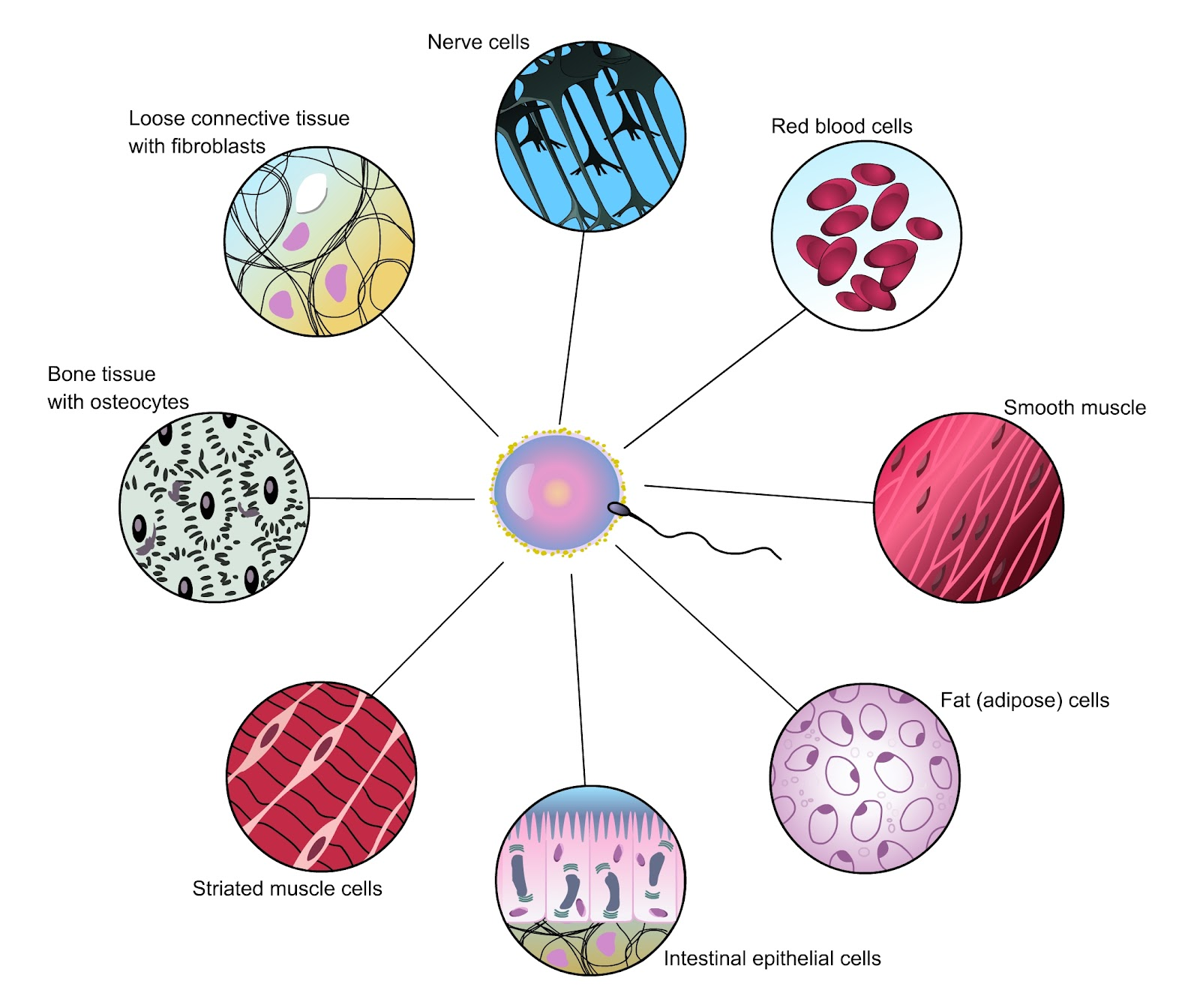
    • It involves the reorganization of cells in the inner cell mass into three primary germ layers: the ectoderm (outer layer), mesoderm (middle layer), and endoderm (inner layer). 
    • These germ layers give rise to different tissues and organs in the body. 
image 31
  • Neurulation: Neurulation is a specific event during gastrulation that gives rise to the nervous system. The neural tube forms from the ectoderm and eventually develops into the brain and spinal cord. 
image 32
  • Organogenesis: Organogenesis is the process of organ formation, where the three germ layers differentiate and give rise to specific organs and structures.
    • It includes the development of the heart, lungs, liver, kidneys, and various other organs. 
image 33
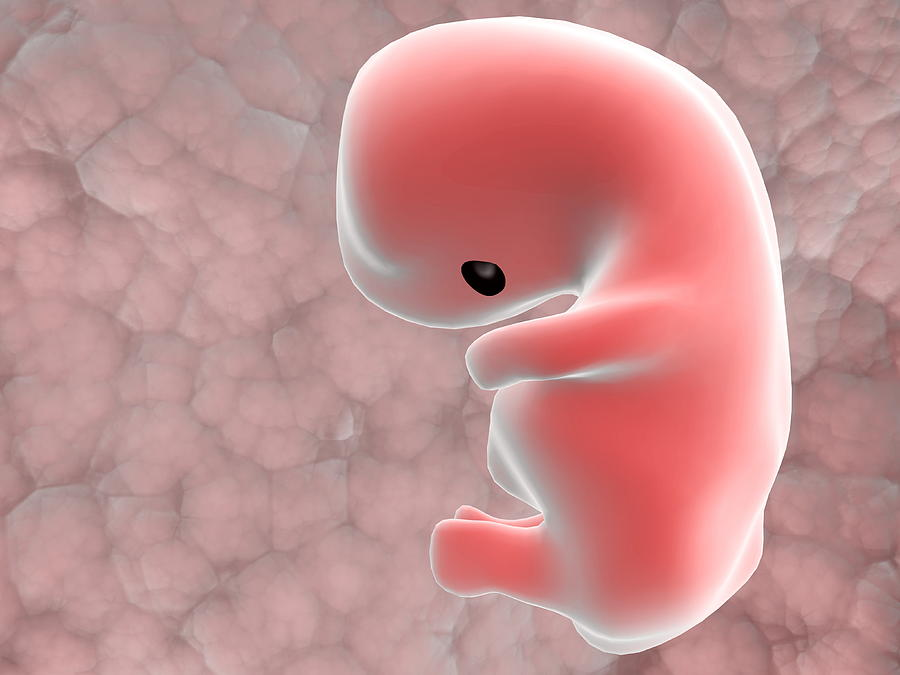
  • Fetal Development: Once the major organ systems have formed, the developing embryo is referred to as a fetus.
    • The fetal period involves further growth and maturation of the organs and tissues. 
image 34
  • Birth: Human embryo development culminates in childbirth, typically occurring around the 38th to 40th week of pregnancy. 

New Development in Research on Embryo Development 

Lab Grown Embryo 

This lab-grown embryo is considered one of the most complete models of a 14-day-old human embryo. 

  • Multiple research teams are working on developing similar human embryo-like models, although none fully replicate the entire early embryo development process.
  • Lab-grown embryo models are not intended for use in pregnancy, their purpose is to study the early stages of fetal development.

Method used by the Israel’s Researchers

  • Researchers in Israel utilized a combination of stem cells and chemicals. 
  • They achieved this by utilizing stem cells, which are early cells capable of differentiating into various cell types.
    • These stem cells spontaneously assembled to form an embryo-like structure, mimicking the molecular characteristics of an early embryo.
  • A small portion of this mixture spontaneously assembled into various types of cells, including those forming the fetus, providing nutrients to the fetus, establishing the body's developmental plan, and creating structures like the placenta and umbilical cord. 
  • One challenge they faced was that only 1% of the mixture assembled spontaneously, making the process relatively inefficient.

Challenges to Embryo research  

  • While they mimic aspects of development, they are not surrogate human embryos.
  • Ethical constraints make it challenging to study the early stages of embryo development after implantation in the uterus.
  • In most countries, it is legally accepted to destroy these models after studying them and attempts to implant them are not permitted.
  • There is no way for scientists to ethically research the early stages of development of an embryo, as it is difficult to study it after it implants in the uterus.

14 Days Limit on Embryo Research 

  • The 14-day limit on embryo research was proposed in the UK in 1979. 
  • It coincides with the natural endpoint of embryo implantation. After this point, cells begin to differentiate, and the embryo takes on the characteristics of an individual. 
  • This limit is based on ethical considerations, particularly related to the development of the "Primitive Streak," which signifies the transition from radial to bilateral symmetry in the embryo.

Importance of the research

  • Lab-grown embryo-like models serve as alternatives for studying early developmental processes.
  • These models allow scientists to explore genetic, epigenetic, and environmental effects on developing embryos, providing insights into disease mechanisms and potential genetic treatments.
  • Research during the initial days of embryo development is critical as most miscarriages and birth defects occur during this period.
  • Studying these stages can enhance the understanding of genetic and inherited diseases and potentially improve in vitro fertilization success rates.
  • Embryo models have provided insights into errors during DNA duplication.
  • These models revealed that errors can occur earlier in the duplication process than previously assumed, impacting subsequent cell division. 
  • These models help scientists understand the roles of various genes in fetal development, enabling manipulation for research purposes.

Terms

Human EmbryoA human embryo is the earliest stage of human development, typically referring to the first eight weeks after conception. It is characterized by the rapid division and differentiation of cells as the embryo develops into various tissues and organs.
J9nwwJN4WGVyxgX6kbZzjF5mH5T SicNITOACnaT gqiST8oaIqUklwUC5hbRzRpAw2rUN3fEibOJTNe YiKkTVD eTIilJjSQJUt72r8fToVan
Stem Cells Stem cells are undifferentiated cells that have the unique ability to develop into different types of specialized cells in the body. In this context, they are used to create the embryo model.
Embryonic Stem CellsEmbryonic stem cells are pluripotent cells derived from the inner cell mass of an early-stage embryo. They have the potential to become any cell type in the body.
1WN89vZvy2 jSrYHhcpWEv8iKsg 7kLwy8S73QQ51G27tTCfK VO7Q50B3yu6ShOxQgxedA01lOBBNjTWF2tdY9tq am1IKto
Differentiation Differentiation is the process by which stem cells or precursor cells transform into specific cell types with distinct functions and characteristics.
v4TjKZm55HswjaZLJOWy9xXgJYSGbMCeFdx7bWXE6xImgXkS9qwa0 ggOETnVf2desgvSCKVmw9fEyLvTWtfC7zydTtNLG874kObhtOlYFANfi 6WBoYXSGIgHepk5gnlTphxuq2OfigCE9Ie UXKg
Foetus The fetus is the later stage of human development after the embryo, typically beginning around the ninth week of pregnancy and lasting until birth.
Placenta The placenta is an organ that develops during pregnancy and provides nutrients and oxygen to the developing fetus while also removing waste products.
GN3Me61S4JVwR5QNRRwOXUAMP90tADRYXMPeVMRNpf6p5HdN6vvoGh7q AO6lsd lZIKlXtIbacSmin 4VLZXYScOJWfeBCz3E A9uryCIj2GMmKYKMQq96BzBr3wg3a2uvBFdJDB4sbdrUIJIX KQ
Umbilical Cord The umbilical cord is a flexible tube-like structure that connects the fetus to the placenta, allowing for the exchange of nutrients, oxygen, and waste between the fetus and the mother.
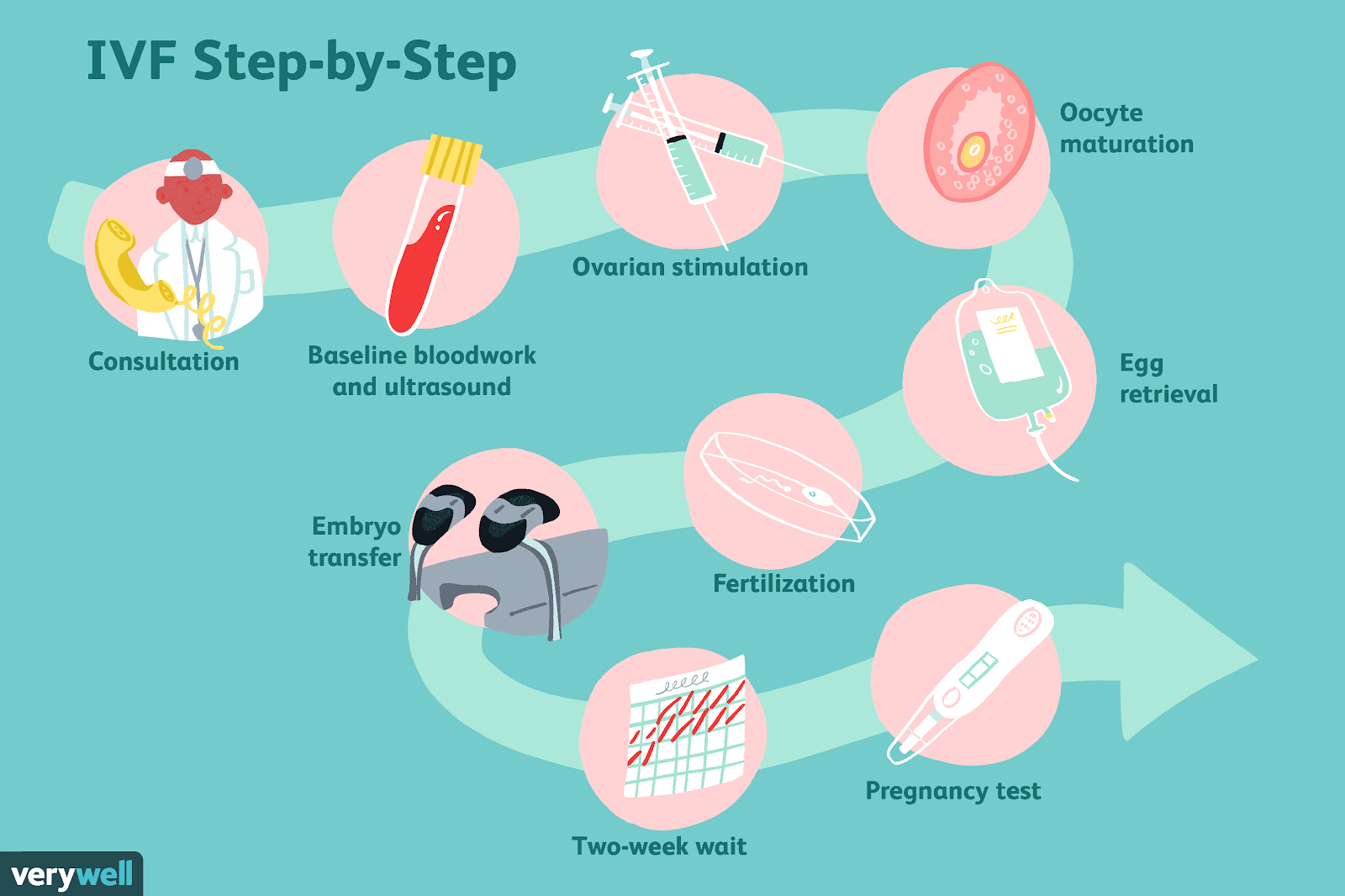
In Virto Fertilisation IVF is a medical procedure in which an egg is fertilized by sperm outside the body, typically in a laboratory dish, and then implanted into the uterus to facilitate pregnancy.
7xRIIFiy WU7mSsTJnr5uFnqqhH34XxUbdvuTgjDqvggwafRFd5YTpFqFjCi7VWxiL0MOR8WLC4TULzRzskNivjnxsw6RyrIrv5TSv wnECT5kAfy1BpuhMa2G1L6cDhAtGB4GyPaKFImFQ6BBbDnQ
Genetic Code The genetic code is the sequence of DNA bases that determines the genetic information and traits of an organism.
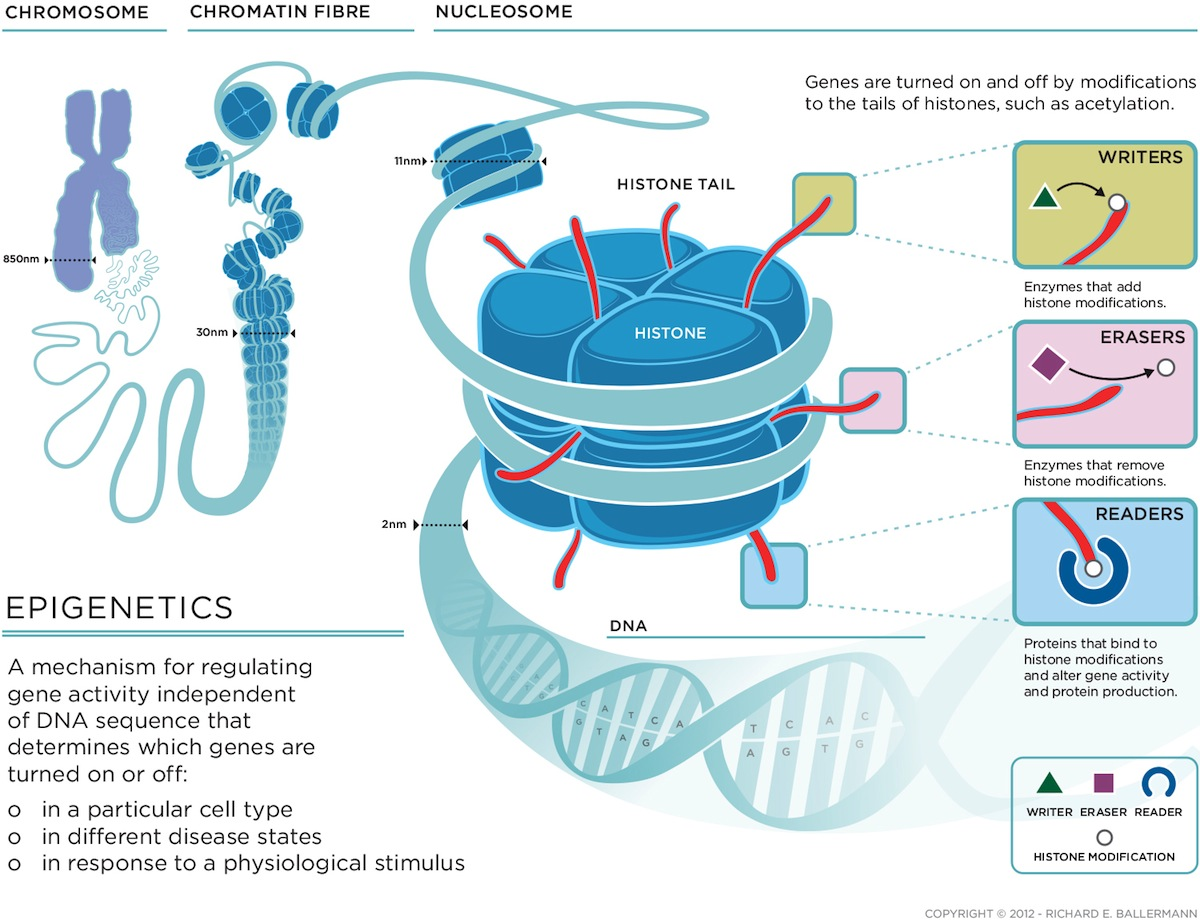
Epigentics Epigenetics refers to changes in gene expression and cellular characteristics that are not caused by alterations in the DNA sequence itself but are influenced by external factors and chemical modifications.
TI R1UDRz8jv4M0ZArcLNMgY1QKt1zKQJkORiyQj ZbIqs 2l6BW4GKb8HWdU udOgAAdwK8ppmdKSbvci E6oKLcDn4styWoR3S HWNDVHN8cGuJPdl6essCsuVr7cp8hmYjl HFTRqlCc8sHdiA
Chromosomes Chromosomes are thread-like structures in the cell nucleus that contain genetic information in the form of DNA. They are responsible for carrying and transmitting genetic traits.
Xee5xeR Po2KbjbD37BgGn6ErQtCGnlKwuq5FF3RFbCiQXTUuF KqvuooerWmdQCkOtHRKIbtbj8gLf8 C6J1h3 AcD9OZyhVeh4cs4C78UU7mFKiUVuNZ
Gene Manipulation Gene manipulation involves altering the genetic material of an organism, often for research purposes, to understand the role of specific genes in development and function.
SUApQ60b7To9ZiXo1qc58b 79clILDDNIu2ATUWrded3Mshj06tRIsJQ0HkErxJzCOqk zeyfQiZzdaDtlW JgQ6BvKn

Viability gap funding of battery energy storage systems

Context: The Union Cabinet approved the scheme for viability gap funding (VGF) of ₹3,760 crore for the development of battery energy storage systems (BESS).

About Viability gap funding of battery energy storage systems

battery energy storage systems 64f98b0bd8b39
  • It aimed at enhancing the viability of infrastructure projects for battery energy storage systems (BESS), in a boost for the renewable energy sector that banks on storage when green power generation is low or down.
  • It also reduces the levelized cost of storage (LCoS) to ₹5.50-6.60 per kilowatt-hour (kWh), making storage a viable option to manage peak power demand. According to industry estimates, the LCoS currently stands at around ₹10-11 per kWh.
  • Under the scheme, the government will provide financial support of up to 40% of the capital cost of BESS projects totalling 4,000 megawatt-hours (MWh) till FY31.

About Viability gap funding 

  • It provides financial support in the form of grants, one-time or deferred, to economically desirable but commercially unviable infrastructure projects undertaken through PPPs with a view to making them commercially viable.
  • It means a grant one-time or deferred, provided to support infrastructure projects that are economically justified but fall short of financial viability.
  • It was launched in 2004 to support projects that come under Public-Private Partnerships.
  • It is a Central Sector Scheme of the Government of India. The Scheme is administered by the Department of Economic Affairs, Ministry of Finance.
  • The revamped scheme (2020) includes higher VGF support of up to 60% of the Total Project Cost (maximum up to 30% by the Central and State Governments each) for the social sectors i.e. Water Supply, Waste Water Treatment, Solid Waste Management and Health, Education, and up to 80% of the Total Project Cost (maximum up to 40% by the Central and State Governments each) for Pilot/Demonstration Projects in Health and Education sectors. 
  • For other sector projects, Viability Gap Funding up to 40% of the Total Project Cost (maximum up to 20% by the Central and State Governments each) is available.

Fintech: Benefits & Challenges

Context: Underlining the important role of the fintech industry in building a responsible financial ecosystem, the Finance Minister has said that fintechs in India are driving more inclusion and influencing India’s financial ecosystem.

Understanding Fintech

  • Fintech can be defined as designing and provisioning of financial services by using new technological innovations. Basically, fintech comprises technology-based businesses that compete against, enable and/or collaborate with financial institutions.
  • Examples: Paytm, MobiKwik, Policy Bazaar, Phonepe, GooglePay etc.
  • Growth Drivers: Rapid increase in the use of smartphones, internet connectivity, online shopping; Younger population; Advancements in technology such as Big data, AI etc; Improvement in Financial Inclusion; Launch of payment systems such as UPI; Regulatory support given by RBI etc.
  • Present Status: India is among the world’s fastest growing fintech market with 6,600 FinTech start-ups. The Indian FinTech industry’s market size is $30 Bn in 2021 and has the highest FinTech adoption rate at 87 per cent.

Examples of Innovative Products of the Fintech Companies

  • Crowdfunding is a way of raising debt or equity from multiple investors via an internet-based platform. Example: Kickstarter, FuelAdream etc.
  • Peer-to-peer (P2P) lenders connect lenders and borrowers via an internet-based platform. Example: Faircent, Lendenclub etc.
  • E-Aggregators to compare the prices and features of financial products. Example: Policy Bazaar Account Aggregators: An individual may have investments in fixed deposits with ABC Bank which comes under the purview of RBI, mutual fund investments with XYZ AMC which comes under the purview of SEBI and life insurance cover with DEF Insurance Corporation (which comes under the purview of IRDAI). Gathering and consolidating all the scattered data while applying for a loan may prove to be time-consuming. Hence, Individuals can authorise NBFC-aggregators to do this job and provide the information to Banks.

How Fintech Companies can Benefit the Indian Economy?

  • Increase in digital payments
  • Improvement in Lending and Investment through innovative tools such as Peer to Peer (P2P) lending, crowd funding etc.
  • Provide finances to the MSMEs for trading of their invoices Example: TReDS Platform. 
  • Provide Insurance and advisory services
  • Improvement in Credit Creation through the Account aggregator services

Recommendations of Subhash Chandra Garg Committee on Fintech Sector (2019)

  • Virtual Banking: RBI should examine the suitability of ‘virtual banking system’ where banks do not need to set up branches and yet deliver the full scale banking services ranging from extending loans, savings accounts, issuing cards and offering payment services through their app or website.
  • Fintech for Cyber Security: The fintech firms specialising in the field of cyber security should be encouraged to set up their businesses in India and provided necessary regulatory approvals for expanding their services in the country.
  • Flow-based lending to MSMEs: The GSTN data integrated with TReDS exchanges should form the basis of a flow-based lending system for MSMEs by banks and NBFCs. In cash flow lending , a financial institution grants a loan that is backed by the recipient’s past and future cash flows.There is a need to develop fintech solutions to track the cash flows of the MSMEs.
  • Reforming P2P Markets: The credit needs of MSMEs, households and individuals can be taken care of by creating a marketplace model of debt financing where savers, non-banks and banks are all permitted to lend. The Ministry of Finance should develop a marketplace model of debt financing in India.
  • Remote Sensing and Drone Tech for Credit and Insurance: Insurance Companies and Lending agencies in the Agri sector should be encouraged to use drone and remote sensing technology for crop area, damage and location assessments to support risk reduction in insurance/lending business.
  • Digitisation of Land Records: The Government should take up modernisation and standardisation of land records in the country on a war footing and complete such an exercise within 3 years.
  • Legal Framework for Customer Protection: A legal framework for consumer protection should be put in place keeping in mind the rise of fintech and digital services. 
  • Development of Regulation Technology (RegTech): Regtech is a new field within the financial technology industry that utilises information technology to enhance regulatory processes. It puts a particular emphasis on regulatory monitoring, reporting and compliance. The financial sector regulators (RBI, SEBI, IRDAI, and PFRDA) must develop standards for RegTech by financial sector service providers to make compliance with regulations easier, quicker and more automated for regulated entities.

Criminalising Ecocide

Context: Mexico is the latest country to consider passing a law to make ecocide a crime.

About Ecocide

  • It is human impact on the environment causing mass destruction to the environment.
  • It is defined as “as unlawful or wanton acts committed with knowledge that there is a substantial likelihood of severe and either widespread or long-term damage to the environment being caused by those acts”.
  • It is also refer as killing one’s home or environment refers to acts like port expansion projects, deforestation, illegal sand mining, polluting rivers and releasing untreated sewage, etc., that destroy fragile natural ecosystems and local livelihoods.
  • Commonly cited examples of ecocide include; deforestation during the Vietnam War, the destruction of the environment during the Russian invasion of Ukraine, deforestation in Indonesia and the Amazon rainforest, oil pollution in the Niger Delta and the Chernobyl disaster.
  • The term was popularised by Olof Palme when he accused the United States of ecocide at the 1972 UN Conference on the Human Environment.
  • There is no international law against ecocide that applies in peacetime, but the Rome Statute makes it a crime.
  • The Rome Statute of the International Criminal Court (ICC) deals with four atrocities: genocide, crimes against humanity, war crimes, and the crime of aggression. The provision on war crimes is the only statute that can hold a perpetrator responsible for environmental damage, but only if it is intentional and in wartime.

Need for criminalising ecocide

  • Over a third of the earth’s animal and plant species could be extinct by 2050. Unprecedented heat waves have broken records worldwide. Changing rainfall schemes have disrupted flood and drought patterns.
  • Deforestation of the Amazon, deep-sea trawling or even the catastrophic 1984 Bhopal gas disaster could have been avoided with ecocide laws in place.
  • Ecocide laws could also double up as calls for justice for low- and middle-income countries disproportionately affected by climate change.

Global status of ecocide laws

  • It is a crime in 11 countries, with 27 others considering laws to criminalise environmental damage that is wilfully caused and harms humans, animals, and plants.
  • Countries that have criminalised ecocide include Vietnam, Ukraine, Russia etc.
  • The European Parliament penalise “mass destruction of flora and fauna”, “poisoning the atmosphere or water resources” or “deliberate actions capable of causing an ecological disaster.

India and Ecocide

Some Indian judgments have affirmed the legal personhood of nature by recognising rivers as legal entities with the right to maintain their spirit, identity, and integrity and some others have used the term ‘ecocide’ in passing but the concept hasn’t fully materialised in law. Environmental (Protection) Act 1986, the Wildlife (Protection) Act 1972, and the Compensatory Afforestation Fund Act (CAMPA) 2016, as well as separate Rules to prevent air and water pollution. 

  • In Chandra CFS and Terminal Operators Pvt. Ltd. v. The Commissioner of Customs and Ors (2015), the Madras High Court noted: “the prohibitory activities of ecocide have been continuing unbridledly by certain section of people by removing the valuable and precious timbers”.
  • In an ongoing case, T.N. Godavarman Thirumulpad vs Union of India & Ors, the Supreme Court called attention to an “anthropogenic bias” and argued that “environmental justice could be achieved only if we drift away from the principle of anthropocentric to ecocentric”.
  • Challenges: The National Green Tribunal, India’s apex environmental statutory body, does not have the jurisdiction to hear matters related to the Wildlife (Protection) Act 1972, the Indian Forest Act 1927, and other State-enacted laws.
    • Forest Conservation (Amendment) Bill 2023 and Biodiversity (Amendment) Bill 2023, which experts have said will dilute current legal protections and will lead to the loss of 20-25% of forest area in the country and the attendant biodiversity and ecosystem issues.
    • One critical challenge is to tackle problems of liability and compensation an example of the friction between committing to environmental protection and actual action. For example, survivors of the Bhopal gas disaster are still fighting for compensation. 

The stump-tailed macaque

Context: The Delhi Zoo has recently introduced a new animal species, the stump-tailed macaque, to its collection.

image 2

About The stump-tailed macaque 

  • It is also called the bear macaque, is a species of macaque native to South Asia and Southeast Asia.
  • In India, it found in evergreen forests in South Asia, including parts of Northeast India in forests south of the Brahmaputra.
  • Its range in India extends from Assam and Meghalaya to eastern Arunachal Pradesh, Nagaland, Manipur, Mizoram and Tripura.
  • It is primarily frugivorous, but eats many types of vegetation, such as seeds, leaves and roots, but also hunts freshwater crabs, frogs, bird eggs and insects. 
  • The stump-tailed macaque has long, thick, dark brown fur covering its body, but its face and its short tail, are hairless.
  • Infants are born white and darken as they mature. As they age, their bright pink or red faces darken to brown or nearly black and lose most of their hair.
  • Males are larger than females.
  • It is listed as vulnerable on the IUCN Red List of species.

Y Chromosomes

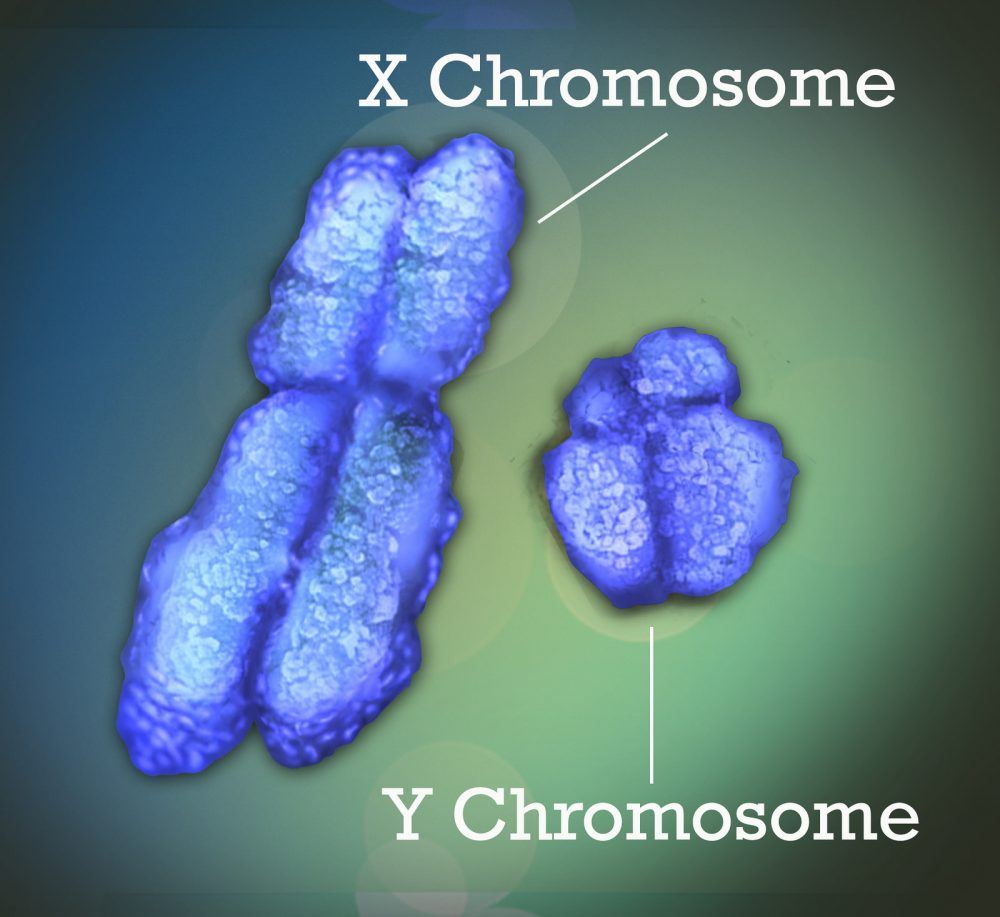
Context: Novel "long-read" techniques have enabled a comprehensive sequence spanning the entire Y chromosome. This landmark effort, featured in Nature, establishes a foundation for investigating sex and sperm genes, unraveling Y chromosome evolution, and exploring its potential disappearance in millions of years.

History of Y Chromosomes 

  • The distinct attributes of the Y chromosome can be attributed to the forces of evolution. 
  • Around 150 million years ago, the X and Y chromosomes were once a matched pair of typical chromosomes, as they still are in certain animals like birds and platypuses. 
  • The emergence of the SRY gene on one of these chromosomes marked the transformation of a proto-Y chromosome that was exclusively confined to the realm of testis development. 
  • The proto-Y underwent rapid degeneration, losing about 10 active genes per million years. 
  • This process led to the reduction of its gene count from an initial 1,000 to the present 27.
  • A small region known as the "pseudoautosomal" region retains its original form and closely resembles its counterpart on the X chromosome.

Short read Sequencing (SRS) to Read DNA 

SRS is a widely used DNA sequencing method. 

  • In this technique, the DNA molecule is broken down into smaller fragments, which are then sequenced in parallel. 
  • Each fragment is only a few hundred bases long, and the sequencing machine reads these short fragments and assembles them into a complete sequence using complex computational algorithms. 
  • This method is efficient and can generate a lot of data quickly, making it suitable for many applications. However, it has limitations when it comes to repetitive or complex DNA regions.
image 13

Challenges Faced by Short-read Technique while Sequencing the Y-chromosomes

  • Repetitive and Complex DNA: The Y chromosome contains regions with repetitive sequences, where the same sequences are repeated multiple times. SRS struggles to accurately piece together these repetitive sections because it's challenging to determine which sequence belongs where.
  • Structural Variations: The Y chromosome is structurally complex. It contains regions where the DNA sequence is inverted or duplicated. It also contains palindromes, and these variations can be difficult to resolve using short reads.
  • Junk DNA: The Y chromosome has a substantial amount of non-coding or "junk DNA." These repetitive sequences don't directly code for proteins or traits, but they can still affect the chromosome's structure and function. SRS struggles to handle these repetitive elements.

Long read Sequencing to Read DNA

Long-read sequencing is a genomic sequencing technology that enables the reading of significantly longer DNA or RNA fragments compared to traditional short-read sequencing methods.

These techniques have allowed scientists to sequence the Y chromosome from one end to the other with unprecedented accuracy and reliability.

Differences between Short-read Sequencing (SRS) and Long Read Sequencing (LRS)

SRSLRS
SRS typically produces reads that are a few hundred bases longLRS can produce reads that are thousands to even tens of thousands of bases long
In SRS, because the reads are shorter, scientists must rely on computational algorithms to assemble these short fragments into a complete genome or transcriptome.LRS, with its longer reads, simplifies assembly, spanning genes, structural variations, and chromosomes for better understanding.
SRS fails to study complex genomic features LRS is particularly useful for studying complex genomic features such as repetitive regions, structural variations, gene isoforms, telomeres, and centromeres.
SRS has a relatively higher error rate.LRS has a relatively higher error rate.

Terms

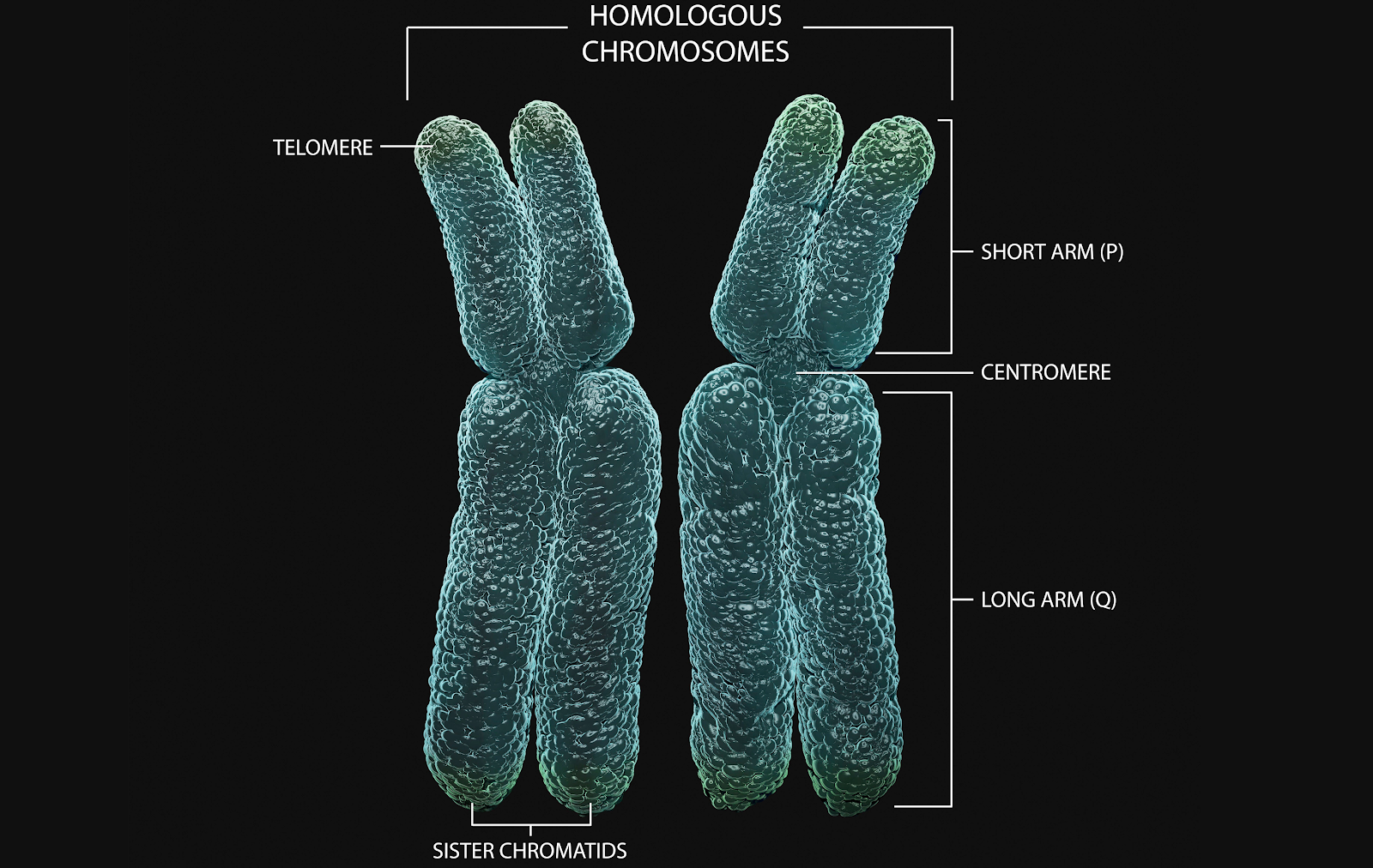
ChromosomesThread-like structures in the cell nucleus that carry genes. Humans have 23 pairs, including one pair of sex chromosomes.
5f2CkNZ8FmiYDvNpgHXeRO8XkQ1JXPSGoVEV uGqowpAA2FW1XU HlnMXVz0Sfq InjUndCdT9PPTtL0R8PGV4u hwgrE1P1iGoxSLbjVoDfA159zAJ1F0RRGYWzyWW1L4TsOr61P62gFO yMYaq7A
Y ChromosomeOne of the two sex chromosomes in mammals. It determines maleness and carries genes related to male sexual development and function.Example: In humans, males have one X chromosome and one Y chromosome (XY), while females have two X chromosomes (XX).
9iTxDnXG0ImWzUTnxP7hVUsme5X99tlupuDHM2OWCeZw40 4CPoE7q5eLjCXoEeWVLRPLwDBxT8HsUVjfxkP9PxrB UGFNHBM7kgHcir8x9sddJcIoEyyiF8CJkEdYl
GenesSegments of DNA that encode instructions for building and maintaining the body. They determine various traits and characteristics.Example: The SRY gene on the Y chromosome directs the development of male characteristics during embryonic development.
fjitfCsHVEU6s0 zDyOyENt kZTS5KlGg77fmP06rBGXJ BUDT 0ZlEuHlTAnwuoKLOH31tPfCTRuLVSW9p0qTugRsVrL22FK9xdRyJ6Ayf2StrL cZm9YdjIwS3FyJbzFz3k8dCGHTvDbroipqr A
Sex Determining Region Y This gene is responsible for triggering the development of male characteristics in embryos.
TestisThe male reproductive organ that produces sperm and male hormones.
OvaryThe female reproductive organ that produces eggs and female hormones.
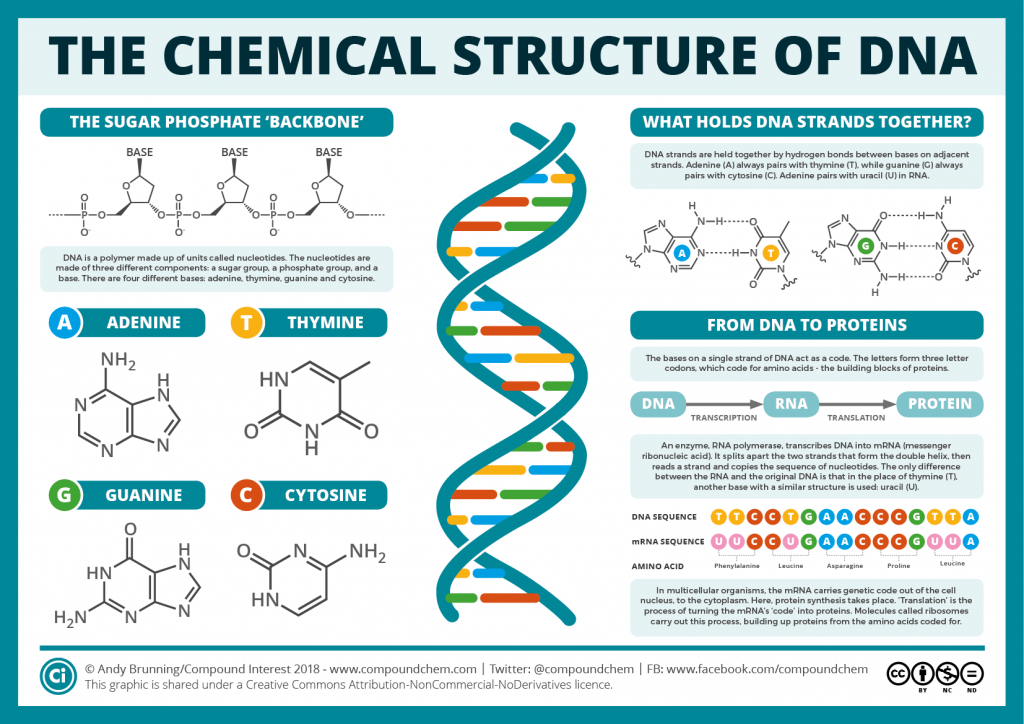
Deoxyribonucleic AcidThe molecule carrying genetic information. It is composed of sequences of nucleotides.
wZhGBA1zvJF9v3K4Hs6Ia7HVWsBye6EhCHf xngUuCUsYLyJamFLHLk7jSC2sRRUy ku1X1oR1WTyQkRd8LxIy8 JWfoRySUIa
Junk DNA Non-coding DNA sequences that do not directly encode proteins but may have other regulatory roles.Example: The Y chromosome contains a significant amount of junk DNA, including repetitive sequences with unclear functions.
hUeT3PpC31gRTLJPe5HJxTlaWu
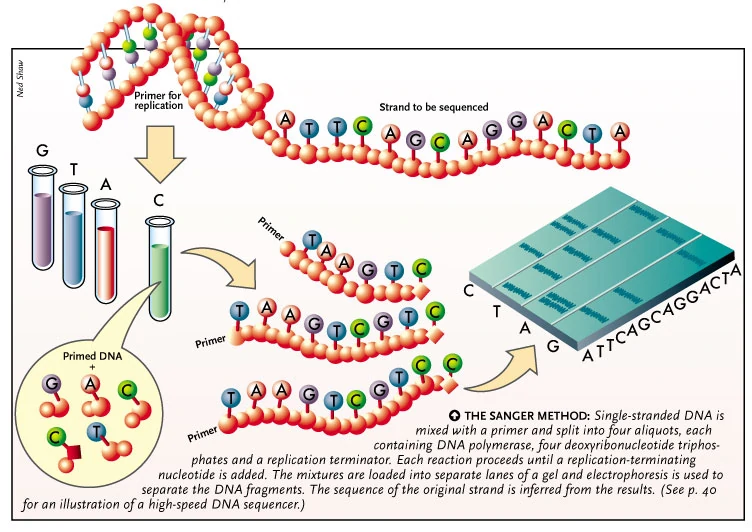
Sequencing Determining the order of nucleotides (A, T, C, G) in a DNA molecule.
Vv4OrWsKJnfai9sTycMwVqG U9 4JkvJiH323UD
Long-Read SequencingA technique that reads longer stretches of DNA, aiding in assembling complex sequences.
Proto-Genes Proto-Y evolved from an ancestral ordinary chromosome. The SRY gene appeared on the proto-Y, initiating the development of male characteristics.
Degeneration The gradual loss of genes or function in a chromosome over time due to various factors, including mutations.
Pseudo Autosomal RegionA small region on sex chromosomes where the X and Y chromosomes share genes. A region on the sex chromosomes (X and Y) that behaves like an autosomal chromosome (non-sex chromosome). It has shared genetic information between X and Y chromosomes.
Sequencing AmbiguityDifficulty in assembling DNA sequences due to repetitive regions or other complex structures.
CentromereA region of the chromosome important for cell division, as it helps separate chromosomes during the process.
awBy2BtYkQcPaQ eWSZ47B8vCLIOz9s1MdNnyp3re3v3qYakU44v2erEHDdro01m3rqGnsPvf4g I9VdP30fLs0d sLVrbgthp67s58XF qYnJgG1otagHLPaH4vvl0PpeO0J6MCR6lsMmU pTF0nA
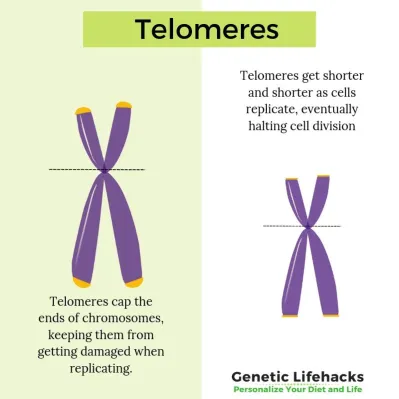
Telomere Protective caps at the ends of chromosomes that help maintain chromosome stability during replication.
gBDSBH5HYdKfih13PbuJgRE5rLWgtHE0umuYuICan 6VA5aK TucA6HXtw45q QkxVDA nzPD98v7oY3E82p klU7SI7u5SU09B1kinoRxlDQZHrBXruR7LIYPBjZfTCMlf
Gene ExpressionThe process by which information from a gene is used to synthesize a functional gene product, such as a protein.
Genetic DegenerationThe process of genes becoming non-functional or being lost due to mutations over generations.
Hormones Chemical messengers that regulate various physiological processes in the body. In this context, male hormones promote the development of male features.
Sexual DimorphismDifferences in appearance and behavior between males and females of the same species.

Gravitational Waves and LIGO

Context: The Government of India has given ‘In-Principle’ approval for Construction and Operation of Laser Interferometer Gravitational Wave Laboratory – India (LIGO) in India in collaboration with LIGO Laboratory, United States of America.

Gravitational Waves 

A gravitational wave is an invisible (yet incredibly fast) ripple in space. Gravitational waves travel at the speed of light. 

  • General Relativity proposed by Albert Einstein predicted that moving objects would generate gravitational waves in spacetime, just like a moving boat produces ripples in water.
  • Because these are ripples in spacetime itself, gravitational waves have the effect of causing a temporary deformation in a body when it comes in contact.
  • Since spacetime itself elongates or contracts during the propagation of the gravitational wave, everything lying in that spacetime also goes through the same experience.
image 7
  • For example,
    • This effect is like a ball being slightly squeezed along any of its diameters. 
    • The ball flattens a bit in the direction of pressure that is applied, while it bulges out in the perpendicular direction.
  • When a gravitational wave passes the Earth, for example, the Earth gets similarly squeezed in one direction, and bulges in the perpendicular direction.
  • Because gravity is the weakest of all natural forces, the deforming effect of gravitational waves is extremely tiny, the reason why it could not be experimentally verified for 100 years.
  • There are many astrophysical phenomena that are either very dim or completely invisible in any form of light that astronomy has relied on for 400 years.
  • Gravitational waves are a powerful new probe of the Universe that uses gravity instead of light to take measure of dynamical astrophysical phenomena.

Gravitational Waves Tell Us About

  • Studying gravitational waves gives enormous potential for discovering the parts of the universe that are invisible by other means, such as black holes, the Big Bang, and other, as yet unknown, objects. 
  • It provides experimental foundation to the general theory of relativity proposed by Einstein.
  • Gravitational waves allow us to directly observe some of the most cataclysmic events in the universe, such as black hole mergers and neutron star collisions.
  • Gravitational waves can potentially help us study the mysterious components of the universe, such as dark matter and dark energy.

Causes of the Gravitational Waves 

The most powerful gravitational waves are created when objects move at very high speeds. Some examples of events that could cause a gravitational wave are: 

  • When a star explodes asymmetrically (called a supernova). 
  • When two big stars orbit each other.
  • When two black holes orbit each other.
  • It can be created by the mergers of neutron stars and black holes.
  • Continuous gravitational waves are expected to be produced by a single spinning massive object like a neutron star.
image 8
  • Compact binary inspiral gravitational waves are produced by orbiting pairs of massive and dense ("compact") objects like white dwarf stars, black holes, and neutron stars.
image 9

Laser Interferometer Gravitational-wave Observatory (LIGO) 

LIGO stands for "Laser Interferometer Gravitational-wave Observatory". LIGO exploits the physical properties of light and of space itself to detect and understand the origins of gravitational waves (GW).

Measurement of Gravitational Wave by LIGO

image 10

The observatory comprises two 4-km-long vacuum chambers, built perpendicular to each other. Highly reflective mirrors are placed at the end of the vacuum chambers.

  • Light rays are released simultaneously in both the vacuum chambers. They hit the mirrors, get reflected, and are captured back. 
  • In normal circumstances, the light rays in both the chambers would return simultaneously.
  • But when a gravitational wave arrives, one of the chambers gets a little elongated, while the other one gets squished a bit.
    • In this case, light rays do not return simultaneously, and there is a phase difference (one returns after some time than the other). 
  • The presence of a phase difference marks the detection of a gravitational wave.

Instrumental Accuracy in Measurement 

The precision of the measurements required to detect gravitational waves is mind-boggling. 

  • At a 4-km scale, the changes in distance that light must travel because of the gravitational wave are 10,000 times smaller than the width of the proton (approximately one-millionth of a nanometer), and LIGO instruments are designed to pick this up. 
  • According to the LIGO website, this is like measuring the distance to a neighbouring star 4.2 light years away with an accuracy smaller than the width of human hair.
image 11

Unique Features of LIGO Observatory 

  • LIGO is blind: 
    • Unlike optical or radio telescopes, LIGO does not see electromagnetic radiation (e.g., visible light, radio waves, microwaves). 
    • But it doesn't have to because gravitational waves are not part of the electromagnetic spectrum. 
image 12
  • LIGO can't point to specific locations in space: 
    • Since LIGO doesn’t need to collect light from stars (in fact, it can detect gravitational waves coming from below!), it doesn't need to be round or dish-shaped like optical telescope mirrors or radio telescope dishes. 
    • Instead, each LIGO detector consists of two 4 km long, 1.2 m-wide steel vacuum tubes arranged in an "L" shape (LIGO's laser travels through these arms), and enclosed within a 10-foot wide, 12-foot-tall concrete structure that protects the tubes from the environment.

Limitation of LIGO 

  • The longer the Better: the longer the interferometer's arms, the bigger the absolute changes that gravitational waves make to total arm length (i.e., total distance traveled by the lasers).
    • As a result, longer arms and greater laser travel amplify the impact of even small gravitational waves, increasing their detectability in the interferometer.
  • Need more power: Increasing laser power also enhances its performance.
    • In this case, the more laser photons that merge from each arm the sharper the fringes that are measured by the photodetector.
  • External Noises: It uses a seismic isolation system to protect the LIGO from unwanted vibration that can hamper the detection of Gravitational waves.
    • The instruments at these observatories are so sensitive that they can easily get influenced by events like earthquakes, landslides, or even the movement of trucks, and produce a false reading. 
  • Multiplicity of Results: It is difficult for a single LIGO detector to confirm a gravitational wave signal on its own. Multiple instruments (ideally 3 or more) must be able to detect the signal to localize the source in the sky.
  • Availability of Land resources: The interferometry needs a very large tract of land which may result in conflict over transfer and compensation.

Benefits of LIGO India 

  • Though LIGO's mission is to detect gravitational waves from some of the most violent and energetic processes in the Universe, the data LIGO collects may also contribute to other areas of physics such as gravitation, relativity, cosmology, astrophysics, particle physics, and nuclear physics. 
  • Socio-Economic benefits: the construction of an observatory will provide employment opportunities in the adjoining areas such as jobs for guards, construction work, tourist guide etc. 
  • International Collaboration: The LIGO provide an opportunity to the scientific community of India to integrate with world leading to adoption of best practices and can lead to effective utilisation of resources.

Terms 

Space-Time ContinuumThe space-time continuum consists of four dimensions, the three dimensions of space (length, width, and height…or up/down, left/right, and forward/backward, depending upon how you wish to think of them) plus the fourth dimension of time.
7WceMP4Mb4mufyZ1a
InterferometryInterferometers measure the interaction of two or more beams of light, obtaining information from the patterns that form as a result.In simple terms, Interferometry uses the change in pattern formed by the interaction of light rays to get the measurement of some physical quality, in this case change in pattern attribute to the detection of the gravitational wave.
JUZVf6ntY9YyjNrpd61dDXHCkK64N2itj9jmO17q7ElsXDKrDVf0yuvHeNXX0piIfRCNKlwsYGceEcgBviykGC1ZpypQaWTLj5R3rlsJH9CBN08O zvUWf7JXXOv6p2sVjFwM2gR0ap84ECDlMlJoA

Seven years on, mission to clean the Ganga remains a work in progress

Key Points:- The article discusses the progress of the National Mission for Clean Ganga (NMCG), a flagship program launched in 2015 to rejuvenate the Ganga river.- It highlights that 7 years since its launch, the NMCG has been able to install sewage treatment plants (STPs) to treat only 20% of the estimated sewage generation in the 5 main Ganga basin states.

This is expected to increase to 33% by 2024.- As per NMCG's projections, STPs will be able to treat 60% of sewage by 2026.

This is based on estimated sewage generation of 11,765 million litres per day (MLD) in the Ganga basin states.- NMCG plans to set up STPs to treat 7,000 MLD sewage by 2026.

Remaining capacity will be set up by states.- Till July 2022, STPs to treat 2,665 MLD sewage have been commissioned. Maximum plants set up in Uttarakhand, UP and West Bengal. - The pace of project implementation and commissioning has picked up recently.

Nearly 60% of the installed capacity was added in 2022-23.- Challenges like land acquisition, issues with Detailed Project Reports and lack of state involvement had earlier slowed implementation.- Signs of improved water quality - increased dolphin population and presence in new stretches, increased fish species tolerant to clean water.

About NMCG

  • National Mission for Clean Ganga (NMCG) was registered as a society on 2011 under the Societies Registration Act 1860.
  • It acted as implementation arm of National Ganga River Basin Authority(NGRBA) which was constituted under the provisions of the Environment (Protection) Act (EPA),1986. 
  • NGRBA has since been dissolved with effect from the 2016, consequent to constitution of National Council for Rejuvenation, Protection and Management of River Ganga (referred as National Ganga Council) under EPA 1986.
  • The Act envisages five tier structure at national, state and district level to take measures for prevention, control and abatement of environmental pollution in river Ganga and to ensure continuous adequate flow of water so as to rejuvenate the river Ganga as below;
    • National Ganga Council under chairmanship of Hon’ble Prime Minister of India.
    • Empowered Task Force (ETF) on river Ganga under chairmanship of Hon’ble Union Minister of Jal Shakti (Department of Water Resources, River Development and Ganga Rejuvenation).
    • National Mission for Clean Ganga(NMCG).
    • State Ganga Committees and
    • District Ganga Committees in every specified district abutting river Ganga and its tributaries in the states.
  • NMCG has a two tier management structure and comprises of Governing Council and Executive Committee. 
  • Both of them are headed by Director General, NMCG. Executive Committee has been authorized to accord approval for all projects up to Rs.1000 crore. 
  • Similar to structure at national level, State Programme Management Groups (SPMGs) acts as implementing arm of State Ganga Committees. 
  • Thus the newly created structure attempts to bring all stakeholders on one platform to take a holistic approach towards the task of Ganga cleaning and rejuvenation.
  • The Director General(DG) of NMCG is a Additional Secretary in Government of India. For effective implementation of the projects under the overall supervision of NMCG, the State Level Program Management Groups (SPMGs) are, also headed by senior officers of the concerned States.

Aim & Objective of NMCG

The core objectives of the National Mission for Clean Ganga include a range of targets, which include

  • The proposed approach involves the reconstruction and improvement of the current Sewage Treatment Plants (STPs), with the implementation of prompt short-term measures aimed at mitigating pollution at the riverside departure points. 
  • The primary objective is to effectively minimize the inflow of sewage into the river system.
  • In order to maintain a continuous flow of water while minimizing disruption to natural seasonal variations.
  • The objective is to effectively rehabilitate and sustain the levels of groundwater and surface flow.
  • The primary objective is to rehabilitate and maintain the indigenous flora within the region.
  • The primary objective is to save and restore the aquatic and riparian biodiversity within the river Ganga basin.
  • In order to facilitate public engagement in the protection, rehabilitation, and management of the river.

Initiatives Related to Ganga

NAMAMI GANGE PROGRAMME

The Namami Gange Programme is an Integrated Conservation Mission initiated by the Union Government in June 2014. It is regarded as a "Flagship Program" aimed at accomplishing two primary objectives: the efficient reduction of pollution and the preservation and rehabilitation of the National River Ganga.

The entity responsible for its operation is the Department of Water Resources, River Development, and Ganga Rejuvenation under the Ministry of Jal Shakti. The implementation of the project (SPMGs) is under the responsibility of the National Mission for Clean Ganga (NMCG) and its state equivalent organizations, known as State Initiative Management Groups.The National Mission for Clean Ganga (NMCG) serves as the operational entity of the National Ganga Council, assuming the responsibilities formerly held by the National Ganga River Basin Authority since 2016.

The organization has a capital of Rs 20,000 crore, which is centrally backed and non-lapsable. Additionally, it oversees a total of 288 projects.

The main components of the program are: Sewerage Treatment Infrastructure & Industrial Effluent Monitoring,Bio-Diversity & Tree plantations

Social Awareness River-Front Development & River-Surface Cleaning.

GANGA KNOWLEDGE CENTRE

The establishment of the Ganga Knowledge Centre (GKC) by the National Mission for Clean Ganga aims to enhance the execution of the National Ganga River Basin Authority (NGRBA) plan. The primary goals of the Ganga Knowledge Centre (GKC) encompass the establishment and administration of knowledge repositories, encompassing the analysis and modeling of various datasets pertinent to the Ganga River Basin. Additionally, the GKC aims to cultivate research innovation by identifying areas of knowledge deficiency, the necessity for novel concepts, and providing support for focused research endeavors. Furthermore, the GKC endeavors to promote discourse with stakeholders by engaging the general public and forging alliances with domestic and international universities, institutions, public and private entities, as well as non-governmental organizations (NGOs).

THE CENTRE FOR GANGA RIVER BASIN MANAGEMENT AND STUDIES (CGANGA)

Established in 2016, the Centre for Ganga River Basin Management and Studies (cGanga) is a data collection centre to ensure sustainable development of Ganga River Basin. cGanga acts as a think tank for the National Mission for Clean Ganga, Ministry of Water Resources, River Development and Ganga Rejuvenation (MoWR, RD & GR) and the Government of India.

National Ganga Council

The chairperson of the National Ganga Council is the Prime Minister.The establishment of the National Ganga Council is mandated under the Environment (Protection) Act (EPA) of 1986.The entity has been entrusted with the overarching duty of overseeing the prevention and restoration of pollution in the River Ganga Basin, including the Ganga River and its several tributaries.The National Mission for Clean Ganga (NMCG) serves as the operational entity responsible for executing the objectives of the National Ganga Council.The National Mission for Clean Ganga (NMCG) was created in 2011 as a recognized organisation.The organizational framework consists of a dual-level management system, which includes a Governing Council and an Executive Committee.The primary goals and objectives of the National Mission for Clean Ganga (NMCG) include the following: to guarantee the efficient regulation of pollution and restoration of the Ganga river via the implementation of a river basin strategy, with the purpose of fostering inter-sectoral collaboration to facilitate comprehensive planning and management.The objective is to sustainably develop the river Ganga by implementing measures that preserve the minimal ecological flows, therefore safeguarding water quality and promoting environmentally responsible practices.

  • Currently, the National Mission for Clean Ganga encompasses more than just the task of cleaning the river. 
  • It also strives to enhance the river's ecosystem and preserve its biodiversity via measures such as maintaining ecological flow, safeguarding wetlands, and conserving springs. 
  • Additionally, there is an emphasis on revitalizing lesser rivers. Furthermore, the National Mission for Clean Ganga is doing research on other rivers, namely Yamuna and Ramganga, with the objective of formulating an environmental flow analysis (e-flow) for the Yamuna River and its principal tributaries.
  •  The mission will further prioritize the enhancement of grassroots institutions and the implementation of community-driven programs.

Mangri Orang: Assam’s first female freedom fighter

Context: The North East Regional Centre (NERC) of the Indira Gandhi National Centre for the Arts (INGCA) staged Malati Mem, a multilingual play based on the life and the revolutionary zeal of Mangri Orang, an Adivasi with roots in central India. The theatrical production, was an initiative to showcase the life and contributions of the icons of the northeast on the national stage. 

Mangri Orang (Malati Mem) is said to be the first female martyr of India’s freedom movement

About Mangri Orang:

  • Mangri Orang (Malati Mem) is said to be the first female martyr of India’s freedom movement.
  • She was a tea plantation worker and became one of the leading members of the anti-opium campaign in tea gardens and in 1921, while participating in the non-cooperation movement. 
  • She was killed by government supporters for supporting Congress Volunteers in prohibition campaign against foreign liquor and opium.

Non cooperation movement in the region: 

  • The erstwhile district of Darang formed an integral part of Assam during the colonial period. It has a long history of freedom struggle and has a larger share to the success of India’s national war of independence.
  • The Non-Cooperation movement (NCM), was the first organized mass movement that the district had ever seen and thus laid the ground for strong mass agitation in the subsequent period.
  • About NCM:
    • Great unrest prevailed in India during the closing year of World War I.
    • The Rowlat Act, the Jalianwala Bagh massacre, the Martial Law clamped in the Punjab, failure of the Montague-Chelmsford Reforms which were announced towards the end of 1918 and the dismemberment of Turkey by the British following the Treaty of Severs in May 1920, created widespread resentment among all the sections of the people of India.
    • A resolution supporting the programme of non-violent non-cooperation was passed in the special session the Congress at Calcutta and same was adopted in the plenary session at Nagpur (1920). 
  • The most remarkable feature of the Non-Cooperation Movement in Assam was its intense mass appeal.
  • Following the decision of the All-India Students’ Conference held at Nagpur, 1920, the students of Assam launched a strong movement for boycott of educational institutions and of foreign goods, propagation of khaddar and swadeshi and picketing of liquor and opium shops
  • Students and teachers moved from village to village propagating the message of non - cooperation and explaining to the people the evil effects of opium-eating.
  • In Darrang district the movement was led by Chandranath Sarma and Lakshmidhar Sarma who organized several meetings in places like Orang. Lakshmidhar Sarma helped some students to picket a shop dealing in liquors.
  • Mangri alias Malati Mam of tea garden community was initially angry for being prevented from buying liquors, but soon she realised to know about the harmful effect of liquor, and that the buying of foreign liquor meant perpetuation of slavery. She gave up the habit of consumption of liquor forever. The incident had a deep impact on her which inspired her to participate actively in the movement with the result that she later lost her life at the hands of police. 
  • Non-Cooperation movement prepared the ground for protesting against the British rule in an organized way. Peasants, laborers, women and all other sections of the society started to express their agony. The strategy of ‘not to cooperate’ the British Government, which was the main principle of the Non-Cooperation Movement, continued to be adopted by the people of Assam. 

About Tea Garden Community: 

  • They are officially referred to as Tea-tribes by the government of Assam and notified as Other Backward Classes (OBC).
  • They are the descendants of peoples from multiple tribal and caste groups brought by the British colonial planters as indentured labourers from the regions of present-day Jharkhand, Odisha, Chhattisgarh, West Bengal and Andhra Pradesh into colonial Assam during the 1860-90s in multiple phases to work in tea gardens.
  • They speak multiple languages including Sadri, Sambalpuri, Kurmali, Gondi and Mundari. 
  • Assam Sadri, distinguished from the Sadri language, serves as lingua franca among the community.
  • A sizeable section of the community, particularly those having Scheduled Tribe status in other states of India and living mainly in the village areas other than tea gardens, prefers to call themselves "Adivasi" and are known by that term in Assam, whereas the Scheduled Tribes of Assam are known as Tribe.
  • They have been demanding Scheduled Tribe status in Assam, but the tribal organization of Assam is against it.

British Rule in Assam (1826-1947), refers to the period in the history of Assam between the signing of the Treaty of Yandabo and the Independence of India when Assam was under British colonial rule. 

British annexation of Assam:

  • The region that came to be known as undivided Goalpara district came under British rule after the transfer of the Diwani from the Mughal Emperor, Shah Alam II in 1765.
  • The First Anglo-Burmese War commenced in 1824, the British occupied Guwahati, when the Raja of Darrang (a tributary of the Ahom kingdom) and some petty chieftains submitted themselves to the British, who made rudimentary administrative by 1824.
  • In the war against the Burmese the Ahoms did not help the British.
  • In 1828, the Kachari kingdom was annexed under the Doctrine of Lapse after the king Govinda Chandra was killed.
  • By 1832, the British increased their influence over and in 1833, upper Assam became a British protectorate under the erstwhile ruler of the Ahom kingdom, Purandhar Singha, and in 1838 the region was formally annexed into the British empire.

Bengal Presidency (1826–1873):

Assam was included as a part of the Bengal Presidency. The annexation of upper Assam is attributed to the successful manufacture of tea in 1837, and the beginning of the Assam Company in 1839.

Chief Commissioner's Province (1874–1905):

  • In 1874 Assam proper, Cachar, Goalpara and the Hill districts were instituted as a separate province, primarily on a long-standing demand from the tea planters.
  • Also known as North-East Frontier, its status was upgraded to a Chief Commissioner's Province, a non-regulation province, with the capital at Shillong.
  • Assamese, which had been replaced in 1837 by Bengali, was reinstated alongside Bengali as the official language.
  • Sylhet was separated from the Bengal Presidency and added to the new province.
  • The people of Sylhet submitted a memorandum to the Viceroy protesting the inclusion in Assam.
  • The protests subsided when the Viceroy, Lord Northbrook, visited Sylhet to reassure the people that education and justice would be administered from Bengal, and when the people in Sylhet saw the opportunity of employment in tea estates in Assam and a market for their produce.
  • The new administration effected a policy of migrations: tea laborers into tea estates and agriculturalists from East Bengal into Assam ignoring history and culture of peoples. 

Eastern Bengal and Assam under Lt. Governor (1906–19): 

  • Bengal was partitioned and East Bengal was added to the Chief Commissioner's Province of Eastern Bengal and Assam.
  • The new region under Lt. Governor, had its capital at Dhaka.
  • This province had a 15-member legislative council in which Assam had two seats.
  • The members for these seats were recommended (not elected) by rotating groups of public bodies.
  • The Partition of Bengal was strongly protested in Bengal, and the people of Assam were not in support of partition either.
  • The partition was finally annulled by an imperial decree in 1911, announced by the King-Emperor at the Delhi Durbar. 

Assam Legislative Council (1912–1920):

  • The administrative unit was once again made in to a Chief Commissioner's Province (Assam plus Sylhet), with a Legislative Council added and Assam Province was created.
  • As Assam became involved in the Non-cooperation movement, the Assam Association slowly transformed itself into the Assam Pradesh Congress Committee.

Dyarchy (1921–1937):

  • Under the Government of India Act 1919 the Assam Legislative Council membership was increased to 53, of which 33 were elected by special constituencies.
  • The powers of the council were increased too; but in effect, the official group, consisting of the Europeans, the nominated members etc. had the most influence.

Assam Legislative Assembly (1937–1947):

  • Under the Government of India Act 1935, the council was expanded into an assembly of 108 members, with even more powers.

AQLI report on pollution shortening Indian lives

Context: The Air Quality Life Index (AQLI), estimates that fine particle pollution diminishes the average life expectancy of Indians by over five years. This comprehensive index, which links the longevity of individuals in over 200 countries to air quality, highlights that India is home to 77 of the most severely affected districts in terms of air quality.

image

More about the news: 

  • In recent years, epidemiological research has established a connection between poor air quality and an increased susceptibility to various forms of cancer, cognitive disorders, and developmental issues in children.
  • Notably, a Lancet study conducted last year estimated that in 2019, India experienced the loss of 1.67 million lives due to diseases resulting from the inhalation of hazardous levels of PM 2.5 particles.
  • The challenge lies in the fact that these plans often continue to rely on ineffective past approaches, including punitive measures, without adequately recognizing the link between environmental problems and the ensuing public health crisis.
  • For nearly a decade, Delhi, in particular, only took action against pollution when it reached emergency levels. Even now, the city has made insufficient efforts to address the structural issues that make achieving satisfactory air quality for 100 days a year a rarity, especially given the geographical constraints, particularly during winter when pollutants become trapped.
  • According to last year's Lancet study, the economic losses resulting from pollution-related deaths and illnesses in 2019 amounted to nearly $37 billion, and a 2021 Dalberg report projected this figure could rise to $95 billion.
  • A country striving to become a $5 trillion economy cannot afford to neglect the well-being of its people.
image 1

Important highlights from by AQLI report: 

screenshot 2023 09 01 at 50656 pm 64f1ccf458233
  • Regarding rankings, India holds the unfortunate second position among countries most severely impacted by air pollution, with Bangladesh topping the list, followed by Nepal in third place. 
  • Examining particulate pollution in South Asia reveals a concerning trend, with a 9.7 percent increase from 2013 to 2021. During this period, PM2.5 levels rose by 9.5 percent in India, 8.8 percent in Pakistan, and a significant 12.4 percent in Bangladesh.
  • In terms of pollution levels in India, they escalated from 56.2 µg/m3 in 2020 to 58.7 µg/m3 in 2021, exceeding the WHO guideline of 5 µg/m3 by more than tenfold.
  • When considering health risks, pollution emerges as the most substantial threat to human well-being in India, surpassing even cardiovascular diseases and child and maternal malnutrition in terms of its impact on life expectancy.
  • Particulate pollution alone reduces the average Indian's life expectancy by 5.3 years, while cardiovascular diseases decrease it by approximately 4.5 years, and child and maternal malnutrition by 1.8 years.
  • Delhi, recognized as the world's most polluted city, reported an annual average PM2.5 level of 126.5 µg/m3 in 2021, surpassing the World Health Organization's guideline of 5 µg/m3 by more than 25 times.
  • If current pollution levels persist, Delhi residents are projected to lose an average of 11.9 years of life expectancy compared to the WHO standard and 8.5 years relative to the national guideline.

What is Particulate Matter?

  • Particulate matter, abbreviated as PM, refers to the assortment of particles present in the atmosphere, encompassing substances like dust, dirt, soot, smoke, and tiny liquid droplets. 
  • These particles remain suspended in the air for extended periods. Some of them are large or dark enough to be visible, resembling soot or smoke, while others are so minuscule that they can only be observed using an electron microscope.
  • Numerous natural and human-made sources release PM either directly or through the emission of other pollutants that react in the air and form PM.
  • Particles with a diameter less than 10 micrometers, often referred to as PM10, raise concerns for public health as they can be inhaled into the respiratory system and accumulate there.
  • Particles falling within the 2.5 to 10 micrometer diameter range are categorized as 'coarse.' 
  • Meanwhile, particles with a diameter less than 2.5 micrometers, termed as PM2.5, are considered 'fine' particles and are believed to pose the most significant health risks.
  • Exposure to fine particles can lead to short-term health effects such as irritation of the eyes, nose, throat, and lungs, resulting in symptoms like coughing, sneezing, a runny nose, and shortness of breath.
  • Additionally, exposure to fine particles can adversely affect lung function and exacerbate pre-existing medical conditions like asthma and heart disease.
  • Over the long term, prolonged exposure to fine particulate matter may be linked to higher rates of chronic bronchitis, decreased lung function, and increased mortality rates associated with lung cancer and heart disease.

What is Air Quality Life Index?

  • Annually, the Energy Policy Institute at the University of Chicago (EPIC) releases the Air Quality Life Index (AQLI), which serves as a pollution index that translates particulate air pollution into a crucial metric: its impact on life expectancy.
  • The AQLI is built upon recent research that quantifies the cause-and-effect relationship between prolonged human exposure to air pollution and its effect on life expectancy.
  • To create this index, the research findings are combined with highly localized global measurements of particulate matter.
  • It has incorporated the revised guidelines set forth by the World Health Organization (WHO). 
  • The WHO had updated its recommendations, lowering the acceptable limit for PM 2.5 from 10 micrograms per cubic meter to 5 micrograms per cubic meter.
  • The Air Quality Life Index (AQLI) gauges the potential increase in life expectancy that communities could experience if they were to reduce air pollution levels in line with either the World Health Organization's recommended guideline or their own national standards.
  • The WHO's guideline deems annual exposure to particulate matter pollution as safe when it remains below 10 micrograms per cubic meter (µg/m³), and many countries also establish their own national air quality standards.