GS Paper 3

Biomethanation plants

Context: In her Budget 2023-24 speech on February 1, Finance Minister Nirmala Sitharaman had announced the setting up of 500 biogas plants across the country under the Gobardhan scheme. Of these, 75 plants were to be set up in urban areas. The Budget announcement of setting up 75 biomethanation plants, which convert wet waste into biogas, in cities has got underway, with the Union Housing and Urban Affairs Ministry approving plans for 42 such facilities.

More on News: While waste-to-energy plants, nine of which with capacity of 12,000 TPD are functional currently, use dry waste to produce power, the biomethanation plants use wet waste to produce biogas or bio-CNG, depending on the quality of the waste provided.

Biomethanation plants use anaerobic digestion to convert organic waste into biogas and biofertilizer. Anaerobic bacteria break down waste in the absence of oxygen to produce methane-rich biogas and nutrient-rich digestate.

Feedstocks for biomethanation plants

  • Food waste from households, restaurants, hotels, etc.
  • Crop residues like stover, straw, stalks, etc.
  • Livestock manure and dairy waste
  • Sewage and wastewater from industries

The anaerobic digestion process involves 4 stages

  1. Hydrolysis - Bacteria break down complex organic matter into simple soluble organic compounds like fatty acids.
  2. Acidogenesis - Acid-forming bacteria further convert the hydrolyzed products into organic acids, alcohols, hydrogen and carbon dioxide.
  3. Acetogenesis - Acetate-forming bacteria convert the products from acidogenesis into acetic acid, hydrogen and carbon dioxide.
  4. Methanogenesis - Methane-forming archaea use acetic acid and hydrogen to produce methane and carbon dioxide.

Benefits of biomethanation

  • Produces biogas which can generate heat, electricity or bioCNG/ bioLNG for vehicles. This provides renewable energy and reduces fossil fuel use.
  • Reduces waste volumes by up to 95% and produces nutrient-rich fertilizer for soil and plants. This supports a circular economy. 
  • Lowers greenhouse gas emissions by capturing methane, a potent GHG. The remaining digestate also produces little to no methane when applied as fertilizer. 
  • Requires low investments and provides quick returns as multiple revenue streams are possible from energy, fertilizer and waste disposal.
  • Provides rural and city waste management solutions. Decentralized small-scale plants can also meet local energy needs. 
  • Additional benefits include reducing pollution in water bodies and odour in the vicinity. The fertilizer can cut down chemical fertilizer costs for farmers.

However, there are also some challenges like lack of segregation of waste at source, shortage of skilled manpower, lack of standards and policies, etc. Capital and operating costs can be high for large centralized plants. Irregular supply of feedstocks also poses problems.

GOBAR (Galvanizing Organic Bio-Agro Resources) DHAN scheme is an initiative by the Government of India to effectively manage and convert cattle dung and solid waste in farms into useful compost, biogas and bio-CNG. It was launched in April 2018.

Key objectives of GOBAR-DHAN scheme

  • Improve livestock health and productivity by providing doorstep animal waste collection service to farmers. This helps in maintaining cleanliness and hygiene in villages.
  • Produce enriched organic manure using cattle dung to promote organic farming. This can reduce farmers' expenditure on chemical fertilizers and pesticides.
  • Generate income from waste - Farmers can sell enriched compost and generate biogas for cooking requirements. Excess biogas can also be sold. 
  • Create new business and job opportunities through bio-gas plants, compost production units and biodegrading units. This boosts the rural economy.
  • Promote a circular economy by converting waste into resources and wealth. This supports sustainable development.
  • Reduce greenhouse gas emissions like methane by using cattle dung and waste to produce biogas and compost. This helps to mitigate climate change.
  • Improve sanitation and hygiene in rural areas by processing cattle dung and other waste. This prevents open defecation and reduces breeding of flies and mosquitoes.

Key components of GOBAR-DHAN scheme

  • Gobardhan Gram Panchayat Plant: Setting up of community bio-gas plants at Gram Panchayat level to collect and process cattle dung and waste to generate bio-gas for cooking and enriched compost.
  • Gobar Bank: Storage of cattle dung at Panchayat level and selling it to farmers and other buyers as per their requirements. This ensures regular supply of raw material to plants.
  • Galvanizing Organic Bio Agro Resources Fund: Provides financial assistance and capital subsidy for establishing biogas plants and composting units.
  • Awareness and outreach: Conducting training, campaigns and demonstrations to promote scheme benefits and encourage farmers and entrepreneurs to adopt waste management practices.
  • Monitoring: Reviewing the progress and impact of the scheme through periodic monitoring of physical and financial achievements. Taking corrective actions as needed.

The scheme utilizes appropriate technologies for waste management and treatment like anaerobic digestion technology, composting techniques, etc. It adopts a decentralized, cluster based approach for effective implementation across the country. Local bodies and village panchayats also actively support the scheme.
India's LIGO Project to be built by 2030

Context: The Union Cabinet has approved a gravitational-wave detector project in Maharashtra costing Rs 2,600 crores, estimated to be built by 2030.

Laser Interferometer Gravitational-wave Observatory

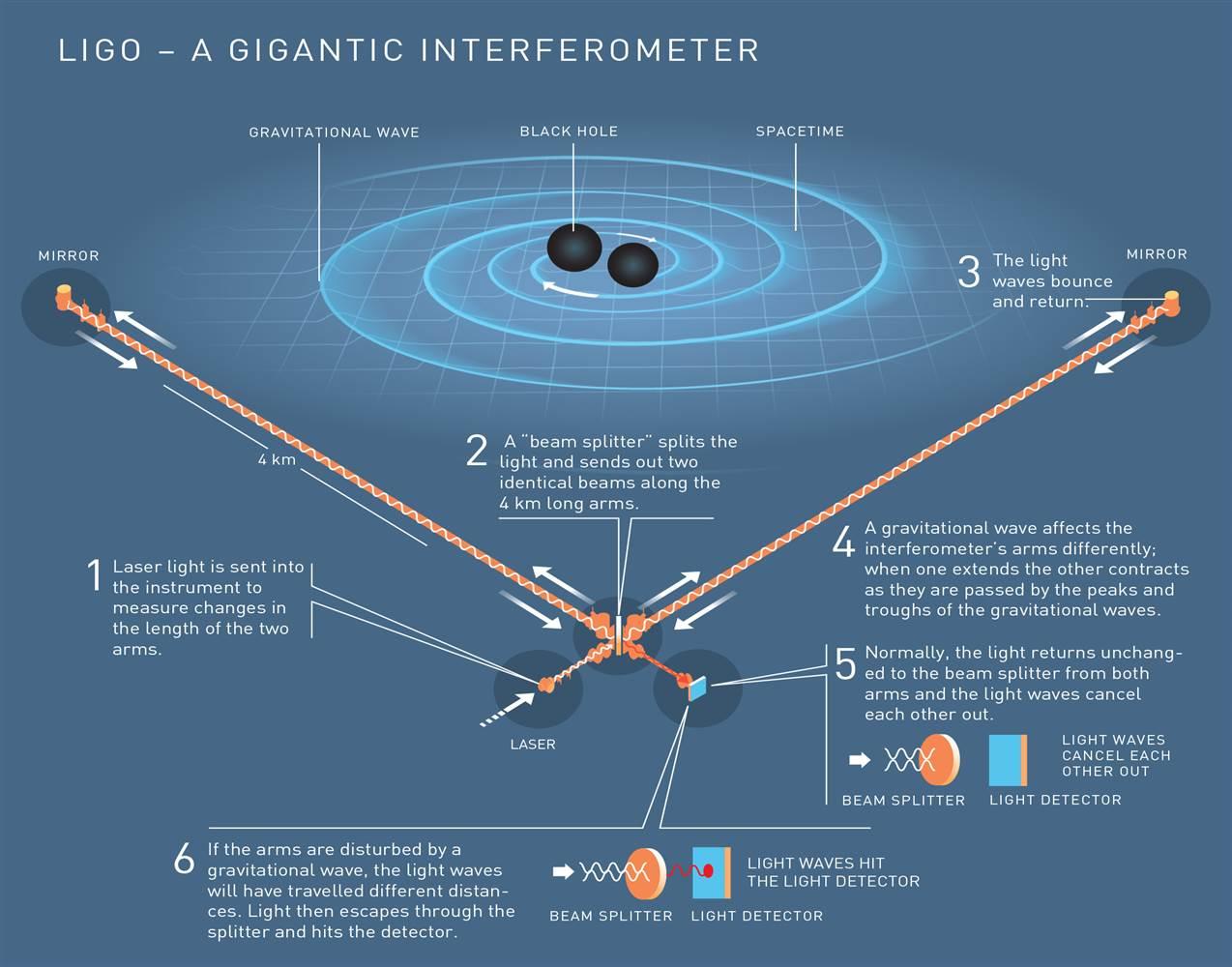
  • LIGO, or Laser Interferometer Gravitational-Wave Observatory, is an international network of laboratories meant to detect gravitational waves — ripples in space-time produced by the movement of large celestial bodies such as stars and planets.
  • LIGO comprises two enormous laser interferometers located 3000 kilometres apart in Hanford, Washington and Livingston, Louisiana, the United States.
    • The gravitational waves were first discovered in 2015 by two LIGOs based in the United States. 

LIGO India Project

  • A third gravitational-wave detection facility is being built in India as part of the LIGO-India collaboration to:
    • increase the chances of detecting gravitational waves from anywhere in the observable universe.
    • improve the detectors’ collective ability to pinpoint sources of gravitational waves in the sky. 
  • To be located in the Hingoli district of Maharashtra, LIGO-India is scheduled to begin its scientific runs in 2030. 
  • The Department of Atomic Energy and the Department of Science and Technology are building LIGO-India in partnership with the U.S. National Science Foundation and various national and international research institutions.

Mechanism

  • The L-shaped LIGO instrument has two arms, each measuring 4 km long that constitute the most sensitive interferometers in the world. Laser pulses are fired simultaneously through both arms, bouncing off the mirrors at the ends to return to the vertex. A detector analyses whether the pulses coincide upon return. Detecting gravitational waves involves recording and analysing the slightly out-of-time pulses in the detector produced by their passage.
LIGO

Need for the project

  • While two LIGOs can detect gravitational waves, a third observatory is required for better triangulation of the location of a source of gravitational waves in the sky. A more ideal setup requires four observatories to record the same wave. To this end, researchers are setting up and upgrading detectors in Italy and Japan.
    • Triangulation refers to analysing the results of the same study using different methods of data collection to enhance the validity, reliability, and comprehensiveness of research findings.

Significance

  • The observatory will help in better understanding astronomical objects like neutron stars and black holes and for the in-depth study of gravitational waves.
  • The project would have several spin-off benefits to Indian science, apart from making India an integral part of one of the most prestigious international scientific experiments.
  • India could become a global site of gravitational physics research, aiding training and the handling of precision technologies and sophisticated control systems, ultimately, cementing a reputation for successfully running an experimental Big Science project.
    • The starting requirement here is the timely release of funds for construction, followed by issuing the allocated resources without delay.

Gravitational Waves

  • Gravitational waves are ripples in space-time caused when massive objects move with extreme accelerations (similar to ripples in a water pond). 
  • The waves are invisible, travel at the speed of light and squeeze and stretch anything in their path as they pass by. 
  • Gravitational radiation is exceedingly difficult to detect because gravity by nature is much weaker than electromagnetic radiation.
    • Gravity is the weakest of the four fundamental forces of nature i.e., electromagnetic force, strong nuclear force and weak nuclear force. 
    • Due to the extremely low strength of gravitational waves, a high-precision instrument like LIGO is required for their detection. 
  • The most powerful gravitational waves are created when objects move at very high speeds. Some examples of events that could cause a gravitational wave are:
    • when a star explodes asymmetrically (called a supernova)
    • when two big stars orbit each other
    • when two black holes orbit each other and merge. 

Inside the cult of Biohacking

Context: Experts have noted that the pandemic has led to an unusual spike in interest in health and fitness among Indians, and nowhere is this more noticeable than the early-adopting tech circles, always in search of the next great hack for not just getting their health in order but staying sharp and focused at work, increasing productivity, beating stress and anxiety, and even aspiring to live longer. 

Biohacking

Biohacking refers to the practice of manipulating biological systems through nutrition, supplements, technology and lifestyle changes to optimize health, well-being and performance. Biohackers self-experiment to find what works best for their body and mind.

Some common goals of biohacking 

  • Improving cognitive performance, memory and focus. E.g. using nootropic supplements, meditation, exercise.
  • Increasing health and longevity. E.g. tracking biomarkers, using supplementation and stem cell therapies.
  • Boosting productivity and optimizing sleep. E.g. monitoring sleep cycles, limiting blue light exposure, power naps. 
  • Improving mood and mental well-being. E.g. sunlight exposure, diet changes, transcranial magnetic stimulation.

Common biohacking methods and tools

  • Wearable technology like fitness trackers to monitor metrics like steps, sleep, heart rate, etc. Some trackers also measure temperature, UV exposure and other data.
  • Genetic testing to understand risks and customize diet or supplements based on DNA. 
  • Nutrigenomics - Choosing foods and supplements based on individual genetic profile for optimal health. Nutrigenetic testing can provide diet recommendations based on DNA.
  • Transcranial direct current stimulation (tDCS) - Using mild electric currents to stimulate specific parts of the brain. Aims to improve cognition, mood and performance. Also called brain stimulation or neurostimulation.
  • Nootropics or 'smart drugs' - Taking natural or synthetic substances to boost brain functions like memory, motivation, creativity, alertness, etc. Nootropics include supplements like piracetam or modafinil.
  • DIY Biology - Amateur biohackers conduct experiments in makeshift biology labs to modify biological systems or engineer new lifeforms. Raises ethical issues but some aim to open-source scientific tools.  
  • Fasting and calorie restriction - Cycling between fasting and eating periods to maximize health benefits. Believed to increase longevity, improve insulin sensitivity and cognition. Methods include intermittent fasting, bone broth fasts, etc.

The biohacking movement aims to take control of human biology and optimize it using scientific techniques.

However, critics argue that it raises safety, ethical and regulatory concerns especially around DIY Biology and brain stimulation. An unregulated community poses risks. Biohacking as a practice is still in infancy with limited evidence behind some methods. But interest in it continues to grow worldwide.

How ASBA-like facility for secondary market trading benefits customers

Context: The capital markets regulator, Securities and Exchange Board of India (SEBI), last week approved a framework for Application Supported by Blocked Amount (ASBA)-like facility for trading in the secondary market.

The facility will be optional for investors and stock brokers. To facilitate smooth transition in the market, the framework will be implemented in a phased manner.

About Application Supported by Blocked Amount

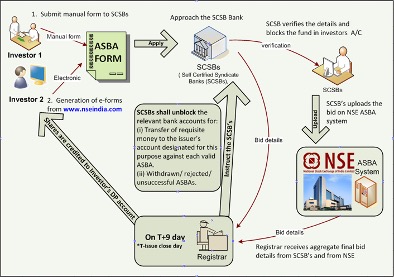
  • ASBA, which was first introduced by SEBI in 2008, is an application by an investor that contains an authorisation to a Self-Certified Syndicate Bank (SCSB) to block in the bank account the application money for subscribing to an issue.
  • Simply put, ASBA provides an alternative mode of payment in issues whereby the application money remains in the investor's account till finalization of basis of allotment in the issue (shares).
  • An SCSB is a recognised bank (e.g. HDFC or ICICI) capable of providing ASBA services to its customers.
  • The application money of an investor applying through ASBA shall be debited from the bank account only if her application is selected for allotment after the basis of allotment has been finalised. In public issues and rights issues, all investors have to mandatorily apply through ASBA.
1olMsbczIQofRqukbJd3ixFJT hDR22aBTWCo0a8K2ziocstr8nmWFmcHF8qNN8SRL8QCHdQUb0ytEbdA5okUWIPfXYVyUMrsZD6ovbkbFWikZBAeGOHYscq fm46MC8nglMZeNEkLieHOXINhM5AsM

What SEBI has done?

  • It gave its nod for an ASBA-like facility for secondary market trading. The facility is based on the blocking of funds for trading in the secondary market through UPI (Unified Payments Interface).
  • At present, ASBA is available for the primary market, wherein the initial public offering (IPO) funds only are blocked on application, and are debited only on allotment.
  • Extension of ASBA to secondary markets means brokers will no longer collect margins from clients; only a block will be placed on the bank account.

How will the ASBA facility benefit retail investors in the secondary market?

  • ASBA in secondary market trading will ensure that clients will continue to earn interest on the blocked funds in their savings account till the debit takes place.
  • There will be direct settlement with Clearing Corporation (CC), without passing through the pool accounts of the intermediaries. Hence, it will provide client-level settlement visibility to CC, and help avoid the risk of co-mingling of clients’ funds and securities.
  • It will eliminate the custody risk of client collateral, which is currently retained by the members, and is not transferred to the CC. There will be hassle-free and immediate unblocking of client’s funds and/ or return of securities in case of member default.
  • The markets regulator said the facility will bring efficiency in the secondary market ecosystem by allowing usage of the same blocked amount towards margin and settlement obligations. It will result in lower working capital requirements for members.
  • Under the proposed framework, stock brokers will be allowed to either directly settle the brokerage with the UPI clients or opt for CC’s facility to deduct standard rate of brokerage from the UPI block of the clients.

Will this impact the markets?

  • Market participants feel that the ASBA-like system for the secondary market would impact volumes. While client volumes may not be impacted, the proprietary volumes can be negatively impacted.
  • Much of these funds are client funds and that could take a hit. This is also likely to reduce the leverage provided by brokers to the clients.
  • So, there will certainly be a short-term volume impact, although it is expected to be value accretive in the long run.

Govt. nod for Indian Space Policy 2023

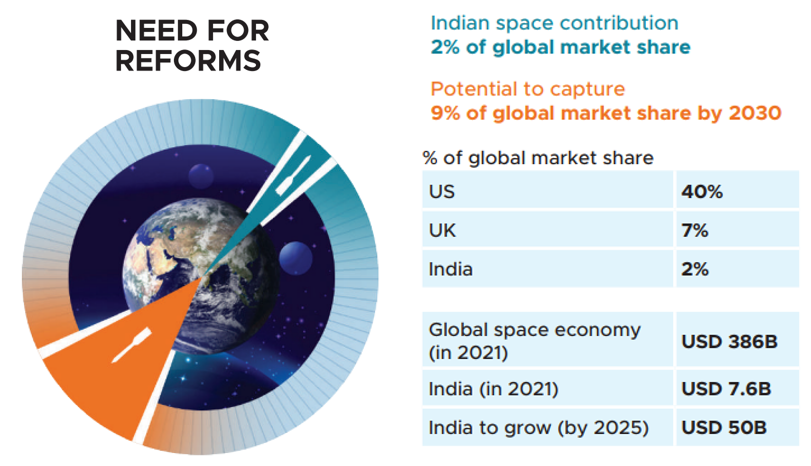
Context: Central Government approved the Indian Space Policy 2023 that seeks to institutionalise the private sector participation in the space sector, with Indian Space Research Organisation (ISRO) focusing on research and development of advanced space technologies.

Major Highlights

  • Indian Space Policy-2023 delineated the roles and responsibilities of ISRO, space sector PSU NewSpace India Limited (NSIL) and Indian National Space Promotion and Authorization Center (IN-SPACe).
    • ISRO will not do any operational and production work for the space sector and focus its energies on developing new technologies, new systems and research and development. 
    • NSIL, a public sector undertaking under the Department of Space, will work in a demand-driven mode and carry out the strategic activities related to the space sector. 
    • IN-SPACe will be the interface between Indian Space Research Organisation and non-governmental entities. 
  • The focus of the policy would be to increase the participation of the private players in the space sector.
    • It will allow the private sector to take part in end-to-end space activities that include building satellites, rockets, and launch vehicles and data collection and dissemination.
    • It creates the framework for the private sector to use ISRO facilities for a small charge and encourage them to invest in creating new infrastructure for the sector. 

Significance

  • Entry of the private sector in the space sector would enable the ISRO to channelise its focus on research and development of advanced space technologies.
  • It offers much-required clarity in space reforms and augment private industry participation to drive the space economy opportunity for the country. 
  • It will enable larger participation between the research academia, startups, and industry. 
  • Increase investments from private companies in the space sector, with players such as OneWeb and more planning to offer commercial services in near future.
mI SpzmMPMHnvT CWXg8wQNOISeB4TT52lpo8IVjODyNUBELt41 7jh62OfAW2YcChYINu0lLJmUeAf7H6SxxaxHhkhSSVwDRoxR9dwxLfoPcpB7lSlcmCeg4Im 1u0omL88s31j N23ozV9V7bPYg

Indian Space Sector

  • In June 2020, the government opened the space sector to allow participation of private firms in the entire gamut of space activities.
    • As part of these reforms, the government set up New Space India Limited (NSIL), the country's first public sector undertaking in the space sector, and Indian National Space Promotion and Authorization Centre (IN-SPACe), as the promoter and regulator of space activities in India by non-government and private entities.
    • As a result, within 3 years, the number of startups has reached about 150 in ISRO. 
  • Presently, Foreign Direct Investment (FDI) in space sector is allowed up to 100% in Satellites-Establishment and Operations through Government route only.

Goods & Service Tax Appellate Tribunal

Context: Finance Act amended the Central Goods & Services Tax Act, 2017 and provided the framework for the functioning of GST Appellate Tribunal for hearing appeals against the orders passed by Appellate Authority or Revisional Authority.

Need for GST Appellate Tribunal

  • GST Appellate Tribunal is the forum of second appeal in GST laws and first common forum of dispute resolution between Centre & States. 
  • Appeals against the orders in first appeals issued by Appellate Authorities under Central & State GST Acts lie before the GST Appellate Tribunal, which is common under the Central & State GST Acts. Currently, due to want to GST Appellate Tribunal appeals from Appellate Authorities lie in various High Courts and Supreme Court which renders the process of dispute resolution slow.
  • Being a common forum, GST Appellate Tribunal will ensure that there is uniformity in redressal of disputes arising under GST and in implementation of GST across the country. 
  • Earlier GST Council had formed a group of ministers committee under the Chairmanship of Dushyant Chautala of Haryana. GST Council in its 49th meetings accepted the committee reports and recommended the constitution of GST Appellate Tribunal. 

GST Appellate Tribunal formed by Finance Act, 2023

  • Central Government shall establish an Appellate Tribunal known as Goods and Services Tax Appellate Tribunal for hearing appeals against the orders passed by the Appellate Authority or the Revisional Authority.
  • Jurisdiction, powers & authority conferred on the Appellate Tribunal shall be exercised by Principal Bench and State Benches of GSTAT. 
  • Principal Bench & State Benches shall hear appeals against orders passed by Appellate Authority or Revisional Authority. However, if a case involves dispute over the place of supply, the Principal Bench shall only hear it. 
  • Principal Bench of GSTAT will be established at New Delhi and will consist of President, a Judicial Member, a Technical (Centre) and a Technical Member (State). President shall distribute the business of the GST Appellate Tribunal among the Benches and may transfer cases from one bench to another.
  • State Benches of GSTAT
  • Central Government to establish State Benches on the request of the State Governments. 
  • Number of Benches, their locations and their jurisdictions to be recommended by GST Council to the Central Government. 
  • State Benches of GSTAT will consist of two Judicial Members, a Technical Member (Centre) and a Technical Member (State) i.e., total four members. 
  • Senior-most Judicial Member in State Bench shall act as Vice-President for such State benches and will exercise similar functions as played by President in relation of Principal Bench of GSTAT. 
  • Administration of Benches of GSTAT for both State Benches and Principal Bench of GSTAT: 
  • For disputes in which the amount of fine, fee or penalty, tax or input tax credit is less than Rs 50 lakhs and not involving any question of law, may with the approval of President, can be heard by a single member.
  • All other cases will be heard by two-member bench comprising of one judicial member and one technical member. 
  • In case of difference of opinion among members: If after hearing the cases, members differ in their opinion on any point or points, such members shall state the points on which they differ and the President shall refer such case for hearing:
  • For a State Bench: To another member of a State Bench within the State or where no such other State Bench is available in the State, to a Member of a State Bench in another State.
  • For a Principal Bench: To another member of Principal Bench, or, where no such other Member is available, to a Member of any State Bench. 

And such points shall be decided according to the majority opinion including the opinion of the Members who first heard the case.

Qualifications for members of Principal Bench

A person shall not be qualified for appointment as:

  • President should have been a Judge of the Supreme Court or is or has been the Chief Justice of a High Court.
  • Judicial Member should have been a Judge of High Court or District Judge or Additional District Judge for a combined period of 10 years.
  • Technical Member (Centre) should be or been a member of Indian Revenue (Customs & Indirect Taxes) Service, Group A or All India Service with at least three years of experience in administration of an existing law or goods & service tax in the Central Government, and has completed 25 years of service in Group A.
  • Technical Member (State) should have been an officer of State Government or an officer of All India Services, not below the rank of Additional Commissioner of Value Added Tax or State goods and services tax or such rank not lower than First Appellate Authority to be notified by concerned State Government, on the recommendations for GST Council and has completed 25 years in Group A service
  • President, Judicial Member, Technical Member (Centre) & Technical Member (State) shall be appointed or re-appointed by the Central Government on the recommendations of a Search-cum-Selection Committee.

Search-cum-Selection Committee for all members apart from Technical Member (State)

  • Chief Justice of India or a Judge of Supreme Court nominated by him, to be Chairperson of Search-cum-Selection Committee. 
  • Secretary of Department of Revenue in Ministry of Finance of Central Government, to be Member Secretary of Search-cum-Selection Committee. (Does not have right to vote)
  • Secretary of Central Government nominated by Cabinet Secretary.
  • Chief Secretary of a State to be nominated by GST Council.
  • One member, who
    • For appointment of a President of a Tribunal, this member will be the outgoing President of the GSTAT.  
    • For appointment of a member of a Tribunal, this member will be the sitting President of Tribunal. 
    • For considering reappointment of President of GSTAT or when outgoing President is not available or when removal of incumbent President is being considered, this member will a retired judge of Supreme Court or a retired Chief Justice of a High Court to be nominated by CJI.
  • Search-cum-Selection Committee shall recommend a panel of two names for appointment or re-appointment to the post of President or a Member. 

Search-cum-Selection Committee for Technical Member (State)

  • While making selection for Technical Member (State) of a State Bench, first preference to be given to officers who have worked in the State Government of the State to which jurisdiction of the Bench extends.
  • Search-cum-Selection for Technical Member (State) of a State Bench consists of the following members:
  • Chairperson: Chief Justice of High Court in whose jurisdiction the State Bench is located.
  • Senior-most Judicial Member in the State and where no Judicial Member is available, a retired Judge of High Court in whose 
  • Chief Secretary of the State in which State Bench is located.
  • One Additional Chief Secretary or Principal Secretary or Secretary of the State in which the State Bench is located 

Conditions of Service of members of GSTAT

  • Tenure of service for members: All the members of GSTAT including the President will hold office for a term of four years from the date on which they enter office. The President can stay in office until he reaches 67 years of age and shall be eligible for re-appointment for a period not exceeding two years. Other members can stay in office until they reach 65 years of age and shall be eligible for re-appointment for a period not exceeding two years.
  • Resignation of Members: President or any member resign from his office by notice addressed to Central Government. 
  • Removal of Members: Government may on the recommendations of Search-cum-Selection Committee remove from office a member including President, who:
    • Has been adjudged an insolvent.
    • Has been convicted of an offence which involves moral turpitude
    • Has become physically or mentally incapable of acting as President or Member.
    • Has acquired such financial or other interest
    • Has abused his position to render his continuance in office prejudicial to public interest.
  • Suspension of Members: Central government may suspend from office the President and other members on the recommendations of Search-cum-Selection Committee against whom proceedings for removal have been initiated.
  • Transfer of Members: Central Government may in consultation with the President for administrative efficiency transfer Members from one Bench to another Bench. However, a Technical Member (State) of a State Bench may be transferred to a State Bench only of the same State in which he was originally appointed, in consultation with State Government. 
  • President or other Members, on ceasing to hold their office, shall not be eligible to appear, act or plead before the Principal Bench or State Bench
  • Salary of President & Members of GSTAT: 
  • Salary of the President and Members of GSTAT shall be such as may be prescribed and their allowances and other terms and condition of service shall be same as applicable to Central Government officers carrying same pay. 
  • Salary and allowances and other terms of service will not be varied to their disadvantage after their appointment. 

NPCI’s circular on levy charges

About NPCI

  • National Payments Corporation of India (NPCI), an umbrella organisation for operating retail payments and settlement systems in India, is an initiative of Reserve Bank of India (RBI) and Indian Banks’ Association (IBA) under the provisions of the Payment and Settlement Systems Act, 2007, for creating a robust Payment & Settlement Infrastructure in India.
  • Considering the utility nature of the objects of NPCI, it has been incorporated as a “Not for Profit” Company under the provisions of Section 25 of Companies Act 1956 (now Section 8 of Companies Act 2013), with an intention to provide infrastructure to the entire Banking system in India for physical as well as electronic payment and settlement systems.
  • NPCI is focused on bringing innovations in the retail payment systems through the use of technology for achieving greater efficiency in operations & widening the reach of payment systems.
  • The ten core promoter banks are State Bank of India, Punjab National Bank, Canara Bank, Bank of Baroda, Union Bank of India, Bank of India, ICICI Bank Limited, HDFC Bank Limited, Citibank N. A. and HSBC.
  • In 2016 the shareholding was broad-based to 56 member banks to include more banks representing all sectors.
  • In 2020, new entities regulated by RBI were inducted, consisting of Payment Service Operators, payment banks, Small Finance Banks, etc.
  • The shares were allotted pursuant to issuance of equity shares on private placement basis in compliance to the applicable provisions of the Companies Act, 2013.

What is UPI?

  • UPI is an instant real-time payment system developed by National Payments Corporation of India (NPCI)
  • The mobile-based fast payment system is built over the IMPS infrastructure.
  • Features:
    • The payments can be made round-the-clock and in real time.
    • It eliminates the risk of sharing bank account details by the remitter as customers are not required to enter the details such as Card no, account number, IFSC etc.
    • UPI supports both Person-to-Person (P2P) and Person-to-Merchant (P2M) payments and it also enables a user to send or receive money.
    • It enables the use of a single mobile application for accessing different bank accounts.
    • Transactions are carried out through mobile devices with two factor authentication using device binding and a UPI PIN as security.
    • Registration of Beneficiary is not required for transferring funds through UPI as the fund would be transferred based on using a Virtual Payment Address (VPA) created by the customer.

The Circular on Levy Charges

  • National Payments Corporation of India (NPCI), which governs UPI - intimated banks and payment service providers that they can now levy charges on merchant transactions made through Prepaid Instrument wallets using UPI.
    • For using prepaid payment instruments (PPIs) such as gift cards, wallets etc for transactions on UPI, an interchange fee of up to 1.1% has been levied from April 1, 2023.
  • It also issued a clarification stating that normal bank-to-bank UPI transactions will not be charged and that customers will not have to pay for transactions made via PPI on UPI.
  • New interchange charges are only applicable for Prepaid Payment Instruments’ (PPI) merchant transactions.
  • The interchange fee, generally associated with card payments to cover the transaction cost, has now brought PPI wallets also under its fold.

What are PPIs?

  • Prepaid Payment Instruments (PPIs) are payment methods that can be used to purchase goods and services and send/receive money by using the stored value in the wallet.
  • Users have to pre-load the wallet with a desired amount.
  • The amount can be loaded/reloaded against cash or through debit to bank account, or by using credit/debit cards, UPI, or any other approved payment method in India. PPIs can only be used in Indian rupees.
  • PPIs can be in the form of mobile wallets, physical smart cards, secure tokens, vouchers, or any other method that allows access to prepaid funds.

What is PPI interoperability?

  • Previously, to use PPI at any merchant, it was necessary that the concerned merchant was engaged directly by the specific PPI issuer (specific network). All PPIs with which the merchant did not have a direct tie-up would get rejected.
  • The most prevalent form of PPI used in the country is the mobile wallet, and this restriction meant that customers of one specific mobile wallet could spend the money in the wallet only at specific merchant locations which were directly tied up with the same PPI wallet provider.
  • For example, if you had a Paytm or Mobikwik wallet, you could only use it at merchants that accepted Paytm or Mobikwik QR codes.
  • To overcome this limitation of PPIs, the RBI has mandated interoperability among different PPI issuers.
  • Subsequently, PPI issuers tied-up with NPCI for issuing
    • interoperable RuPay PPI cards
    • creating interoperable wallets on UPI rails.
  • Prepaid instruments in the form of wallets can now be linked to UPI, thus creating interoperable wallets on UPI rails.

How does PPI interoperability through UPI work?

  • After linking one’s PPI wallet to UPI, customers can transact using Scan and Pay on all UPI interoperable QR codes. This will enable the use of PPI wallets at all merchant locations.
  • The user can also send/receive money to any other wallet user.
  • Similarly, a merchant with any UPI QR code can now accept payments from any PPI issuer or mobile wallet.
  • PPI on UPI will speed up the growth of merchant transactions in rural areas and further deepen digital financial inclusion by catering to use cases such as healthcare, transit, education, utility bills, etc.

Do merchants have to pay for accepting wallet transactions on UPI?

  • The PPI enabled merchants were already paying charges to the PPI issuer for acceptance of mobile wallets or prepaid cards. Now the charges are aligned at a network level with some standardisation. However, each merchant can work with their preferred acquiring entity.
  • Now, for using prepaid payment instruments (PPIs) such as gift cards, wallets etc for transactions on UPI, an interchange fee of up to 1.1% has been levied from April 1, 2023.
    • The charges are applicable if the transaction is more than ₹2,000.
    • If you are a merchant and accepting UPI payments from a customer’s bank account, then there are no charges applicable.
    • Charges are applicable only if you have accepted or consented for the transactions made using PPI Wallet.

Are there any charges to be paid by consumers holding wallets for PPI on UPI transactions?

  • Officially there are no charges to be paid by the customer. However, merchants may pass on the additional burden to customers by way of price increase or some other means.

De-commissioning of dams

Context: Recently Parliamentary Standing Committee on Water, points out that though 234 large dams are 100-300 years old, none has been decommissioned.

Why decommissioning of dams is required?

  • Even after the enactment of the Dam Safety Act in 2021, the threat to the life, property, and livelihood of millions of people from dam-related perils remains unabated.
  • Retiring a dam has seldom been deemed an option in India even if the structure turns highly hazardous — as is the case with the nearly 130-year-old Mullaperiyar dam, which is not being replaced with a new one despite having been declared unsafe by the Kerala government.
  • Decommissioning vulnerable dams is now common practice to avert dam-related disasters in developed countries, notably in Europe and the US.
  • The parliamentary panel on dam safety has recommended decommissioning unsafe old dams. 
  • Nearly 20 per cent of 5740 large dams have outlived their rated life span of 50 years.
  • Besides, most of these old dams were constructed with locally available materials so, they are more vulnerable.
  • The situation has since undergone a dramatic change because of further development of the water-use infrastructure and global warming-induced uncertainties of the volume of water flows.
  • Risk factors like flash floods, landslides, and increased sedimentation are much more pronounced now than in the past. The country has witnessed more than 40 major dam failures in recent decades.
  • The Jal Shakti ministry conceded before this parliamentary committee that it did not have any methodology to assess the viable lifetime of dams.

What should be the way forward?

  • It is imperative to evolve a mechanism, as recommended by the parliamentary panel, to precisely estimate the potential life span of dams and decommission the over-aged ones to minimise the risk of their crashing down.
  • Routine maintenance work is done on the basis of the health evaluation of the structure.
  • Follow the US system of risk appraisal through a web-based integrated risk management model — called Dam Safety Analysis Tool — using variables from dam bursts in the past.
  • Develop an indigenous system for this purpose, using the expertise available in scientific institutions like the Indian Institutes of Technology.

Read also: List of Major Important Dams in India

RISC-V

Context: Indian startups that utilize RISC-V, an open-source instruction set architecture (ISA), have immense potential for creating innovative products, devices, and AI solutions in collaboration with global companies.

About RISC-V

  • RISC-V is an open standard Instruction Set Architecture (ISA) based on established RISC principles. Each computer hardware will support a particular ISA.
  • Unlike most other ISA designs, RISC-V is provided under open-source licenses that do not require fees to use. RISC-V can be extended or customised for a variety of hardware or application requirements.
  • ARM and x-86 are two such instruction set architectures- one of which is licensed and the other is sold, where the industry consolidated in the earlier decades. However, RISC-V has emerged as a strong alternative to them in the last decade, having no licensing encumbrances, enabling its adoption by one and all in the semiconductor industry, at different complexity levels for various design purposes. India has developed two series of microprocessors:
    • SHAKTI series of microprocessors by IIT Madras.
    • VEGA microprocessors by C-DAC.

Lumpy skin disease led to stagnation in milk production

Context: Central Government is foreseeing a “stagnation” in milk production and a possible scarcity of ghee and butter as an impact of the lumpy skin disease (LSD) that took the lives of about 1.89 lakh cattle recently.

Major Highlights

  • Normally, milk production in India is growing at 6% per year. This year, it is either stagnant or has grown at 1% or 2%. The demand for milk, however, has grown by 8% to 10%, which has led to “price inflation” in milk and its products. 
  • Besides LSD, another reason for the “price inflation” is the increase in the prices of fodder and its scarcity.
    • The fodder cultivation area is around 4% for the past five decades. However, the Indian dairy sector is growing at a rate of 6%. 

Lumpy Skin disease

  • Lumpy skin disease is caused by the lumpy skin disease virus (LSDV), which belongs to the genus capripoxvirus, a part of the poxviridae family (smallpox and monkeypox viruses are also a part of the same family).
  • It is a contagious disease that usually affects host animals like cows and buffaloes. 
  • The disease can either spread through:
    • direct contact with the vectors (like mosquitoes, some biting flies, and ticks)
    • contaminated fodder and water (infected animals shed the virus through oral and nasal secretions which may contaminate common feeding and water troughs)
    • animal semen during artificial insemination.
  •  It is not a zoonotic virus i.e., the disease cannot spread to humans.
  • Symptoms: LSD affects the lymph nodes of the infected animal, causing the nodes to enlarge and appear like lumps on the skin, which is where it derives its name from.
    • The cutaneous nodules, 2–5 cm in diameter, appear on the infected cattle’s head, neck, limbs, udder, genitalia, and perineum. The nodules may later turn into ulcers and eventually develop scabs over the skin. 
    • Other symptoms include high fever, sharp drop in milk yield, discharge from the eyes and nose, salivation, loss of appetite, depression, damaged hides, emaciation (thinness or weakness) of animals, infertility and abortions. 
  • The morbidity of the disease varies between two to 45% and mortality or rate of death is less than 10%.
  • It is safe to consume milk from cattle infected by Lumpy Skin Disease, as it is a non-zoonotic disease.

Spread

  • LSD disease is currently endemic in several countries across Africa, parts of West Asia (Iraq, Saudi Arabia, Syrian Arab Republic), and Turkey. 
  • The disease reached India in August 2019, with initial cases being detected in Odisha and West Bengal. 

Implications

  • The disease leads to reduced milk production as the animal becomes weak and also loses appetite due to mouth ulceration, abortion in pregnant animals and sterility in bulls. 
  • It threatens the livelihoods of smaller farmers significantly which incur losses due to cattle deaths. 

Key Facts

  • India is the world’s largest milk producer at about 210 million tonnes annually. India also has the largest headcount of cattle and buffalo worldwide.

Malware-as-a-Service

Context: Raccoon Stealer, an information-stealing malware, was used to target eight Central government entities, including Central Paramilitary Forces and the Income Tax Department.

  • National Technical Research Organisation (NTRO) has been tracking and reporting the activities of Raccoon Stealer malware, which is available as Malware-as-a-service (MaaS).
  • It is an information stealer malware which is usually delivered through email that retrieves sensitive data from infected machines. 

Malware-as-a-Service (MaaS)

  • Malware as a Service (MaaS) is a type of cybercrime model where malware is offered for sale or rent by cyber criminals as a service.
    • Malware is malicious software specifically designed to exploit vulnerabilities in computer systems or networks. 
  • These services typically are available on the dark web. They are purchased to carry out various malicious activities, such as stealing sensitive information, disrupting computer systems, or encrypting data and demanding a ransom to unlock it.
  • In this model, individuals or groups with little or no technical expertise can gain access to sophisticated and powerful malware tools and services, enabling them to launch cyber attacks without needing to develop or maintain their own malware. Thus, making it easier for cybercriminals to launch attacks and evade detection.
  • MaaS operates similarly to legitimate Software as a Service (SaaS) models, where software is provided on a subscription or pay-per-use basis. 

Some of the most common types of malware include

  • Viruses: Programs that can replicate themselves and spread to other computers which can cause various problems, such as disrupting computer operations, stealing information, or damaging files.
  • Trojan horses: These programs masquerade themselves as legitimate software but can carry out malicious activities, such as stealing data or giving attackers unauthorized access to a computer.
  • Worms: A self-replicating program that can spread across networks, disrupting computer operations and consuming network resources.
  • Adware: Software that displays unwanted advertisements on a computer. It can be intrusive and sometimes can track a user's online activities.
  • Ransomware: Encryption of a victim's data with the demand for a ransom payment to unlock it. It can result in losing important data and files.
  • Spyware: Software designed to collect information about a user's online activities without their knowledge or consent to steal sensitive information (like financial statements and passwords).
  • Bots: A bot, short for "robot", is a type of software application or script that performs automated tasks on command like malicious activities. 

National Technical Research Organisation

  • National Technical Research Organisation (NTRO) is a highly specialised technical intelligence gathering agency under the National Security Advisor. 
  • The agency specializes in multiple disciplines, which include remote sensing, Signals Intelligence, data gathering and processing, cyber security, geospatial information gathering, cryptology, strategic hardware and software development and strategic monitoring.

New method of visual detection of SARS-CoV-2 can identify the infection at early stage

Context: New method of visual detection of SARS-CoV-2 can identify the infection at an early stage. A new sandwich-based lateral flow immunoassay (LFIA) for the detection of the Receptor Binding Domain (RBD) of severe acute respiratory syndrome-coronavirus-2(SARS-CoV-2) could provide an efficient substitute for RT-PCR tests.

Need for Rapid and Affordable Covid-19 Testing

  • RT-PCR tests are time-consuming and require skilled labour and equipment. Not feasible for large-scale on-site testing.
  • New test kits are needed that are rapid, robust, affordable and can be used for mass testing without skilled personnel. Helps reduce spread by early detection.

Development of Lateral Flow Immunoassay (LFIA) test

  • Scientists from DBT-NIAB and Gandhi Medical College developed an LFIA test for early on-field detection of SARS-CoV-2. Based on antigen-antibody interaction, doesn't need skilled staff.
  • With DST-SERB support, scientists cloned a gene for SARS-CoV-2 RBD protein, purified and generated antibodies (Ab) against it. AuNPs-Ab is used as a capture probe for colorimetric detection.
  • LFIA test works on sandwich format - RBD antigen in sample interacts with AuNPs-Ab to form complex, moves along the membrane and reacts with RBD Ab coated as test line, giving red colour. The control line verifies test functionality.
  • Different parameters like blocking buffer, and antibody concentration optimized for maximum efficiency. Band intensity was analyzed using a smartphone app for image acquisition/analysis, giving RGB data and intensity trends.

Utility and Cost-Effectiveness

  • LFIA strips are useful as a portable, point-of-care device for on-site SARS-CoV-2 testing at home or in rural areas. Much cheaper than RT-PCR, benefits the economically disadvantaged.
  • Mass production of kits can enable large-scale testing. But quality checks and safeguards are needed to ensure accuracy before policy implementation.
  • If proven highly accurate, LFIA and similar cheap, rapid test kits can revolutionize Covid-19 control strategies in resource-poor settings through early detection and isolation. Can aid in return to normalcy in some activities.

Limitations and Future Prospects

  • Smartphone image analysis provides qualitative, not quantitative results. So not replace RT-PCR's high accuracy in diagnosis, prognosis and treatment monitoring.
  • As mutations emerge, new generations of test kits may be needed to detect them. Continuous R&D is required to keep up with an evolving virus.
  • Sample size and real-world data on test performance are needed to determine suitability. Regulatory approvals are required before mass uptake.
  • Future prospects: Integrating multiplex detection in one assay; developing rapid confirmatory tests; commercial partnerships for scaling up production at low cost while ensuring quality.

The development of a cheap, rapid lateral flow immunoassay test for SARS-CoV-2 detection is promising for controlling the Covid-19 pandemic through affordable mass testing. However, the test may have limitations in the accuracy and detection of new variants that emerge. Continuous research and policy interventions are needed to enable early, widespread use of fast, low-cost but reliable diagnostics, especially in resource-poor regions bearing high caseloads. New tests that balance speed, cost, accuracy and adaptability will be key to managing coronavirus disease into the future.