Current Affairs

Additional Tier 1 (AT1 Bonds)

Context:

  • The biggest losers in the Credit Suisse fire sale are investors in the banking major’s riskiest bonds — called Additional Tier 1 or AT1 — who are faced with a $17 billion wipeout, potentially pushing Europe’s $275 billion market for these bonds into turmoil, with likely cascading impact across other geographies.
  • This is the biggest wipeout yet for Europe’s AT1 market.

About AT1 Bonds:

  • AT1 bonds, as these instruments are popularly known, are a type of perpetual debt instrument that banks use to augment their core equity base and thus comply with Basel III norms. These bonds were introduced by the Basel accord after the global financial crisis to protect depositors.

How are these bonds different from other debt instruments?

  • These bonds are perpetual in nature — they do not carry any maturity date. 
  • They offer higher returns to investors but compared with other debt products, these instruments carry a higher risk as well. 
  • If the capital ratios of the issuer fall below a certain percentage or in the event of an institutional failure, the rules allow the issuer to stop paying interest or even write down these bonds. 
  • These bonds are subordinate to all other debt and senior only to equity.

What can investors do with AT1 bonds?

  • AT1 bonds do not have a maturity date. Banks have a call option that permits them to redeem these bonds after a certain period.

Are they safe for investors?

  • Since these bonds can be written down by banks under the directions of the Reserve Bank of India (RBI) in the event of an institutional failure, they are seen as high-risk instruments. 
  • If the bank reaches the point of non-viability, AT1 bonds are the first part of debt that will be written down. 
  • For example, AT1 bonds worth Rs 8,414 crore were written off fully during the Yes Bank reconstruction scheme in March 2020. Those AT1 investors are still locked in a court battle with the RBI and the bank seeking the return of their investments. 
  • In this backdrop, it is fair to say that AT1 bonds are high-risk instruments for investors, especially retail investors.

Why do the banks tap the AT1 bond route?

  • Banks periodically raise money issuing such bonds. 
  • At one point, lenders used to even pitch these to retail investors as an attractive option, often with returns higher than a traditional fixed deposit would offer. 
  • Indeed, there used to be significant retail interest in AT1 bonds till the Yes Bank episode.
  • The market for AT1 bonds took a hit after the Yes Bank write-off, as part of the State Bank of India-led bailout in March 2020. Investors have begun to look at these instruments with caution since then.

Impact of Credit Suisse Crisis on Bond Market:

  • At nearly $130 trillion, the global bond market far outweighs the stock market in size, and plays an outsize role in the global financial system, especially in the way governments raise funds to manage their deficits. 
  • Rumblings in the bond markets could make it harder for other lenders to raise new AT1 debt, especially when the financial sector is facing tough times. 
  • Following FINMA’s announcement of the CHF 16 billion (about $17.3 billion) write-down of Credit Suisse’s AT1 bonds, European and Asian AT1 bonds tanked on Monday. 

Impact on Indian banks:

  • The decision to write down Credit Suisse’s AT1 bonds to zero after the lender’s takeover by UBS may contribute to a higher cost of capital for banks, including Indian lenders. 
  • The write-down will weigh on the pricing of such notes and spook investors.
  • In India, AT1 bonds of Yes Bank were written down in March 2020 after the Reserve Bank of India initiated a restructuring of the troubled lender. Since then, Indian banks have raised AT1 bonds at an up to 75 basis points premium over government bonds.
  • Some bankers, however, do not see a major impact on the fundraising capabilities of Indian banks through AT1 bonds:
    • Spread between regular bonds and AT1 bonds in India is less than 150 basis points, while in the EU and the US, it is 200-250 bps. Indian lenders have limited dependence on such securities. Indian lenders are capable of enduring any potential contagion effects emanating from the US banking turmoil and the Credit Suisse episode given their manageable exposures to global counterparts. 
    • Strong funding profiles, a high savings rate, and government support are among the factors that bolster the financial institutions and that domestic banks had sufficient buffers to withstand losses on their government securities portfolio due to rising interest rates.
Windfall Tax

Context: The Union government scrapped a 30-month old windfall tax on domestically produced crude oil and export of jet fuel (ATF), diesel and petrol following a decline in international oil prices.

Relevance of the topic: Prelims- Key facts about Windfall Tax.

What is the Windfall Tax?

  • A windfall tax is a higher tax levied by the government on specific industries when the industry experiences unexpected and above-average profits.
    • India first imposed the windfall tax on July 1, 2022, when crude oil prices were well over $100 per barrel, following the Russia-Ukraine war.
    • When an industry (in this case oil and gas sector) benefits from a one-off external situation and makes sudden profits, these profits are separately taxed, which are over and above the normal taxes.
  • Country’s upstream oil companies (ONGC, Oil India, GAIL) as well as private refiners Reliance Industries and Nayara Energy, who are the key buyers of discounted Russian supplies, were reaping major profits by aggressively boosting fuel exports instead of domestic sales.

Economic rationale for imposing windfall taxes: 

  • India’s trade deficit had increased to record high levels and a weak rupee had increased the value of India’s imports.
  • Government spending has gone up after it had cut Central Excise Duty and spent more on food and fertilisers.
  • The government then decided to levy windfall tax on oil companies to make up for this gap as the windfall tax adds to the government's earnings.

Economic rationale for removing windfall tax:

  • Falling oil prices; Global crude oil prices have been falling since June 2022, and are currently under $75 per barrel. This has led to a decline in profits for domestic oil producers. 
  • Relief to oil companies: The removal of the tax is expected to benefit major oil producers like Reliance Industries and ONGC by lifting their refining margins. 
  • Relief to consumers: The removal of the tax could lead to lower airfares for airlines, and lower prices for petrol, diesel, and ATF for oil companies. 
  • Reduced government revenue: The windfall tax was not generating significant revenue, with collections dropping from ₹25,000 crore in FY23 to ₹6,000 crore in FY25. 

Sugar Exports

Facts:

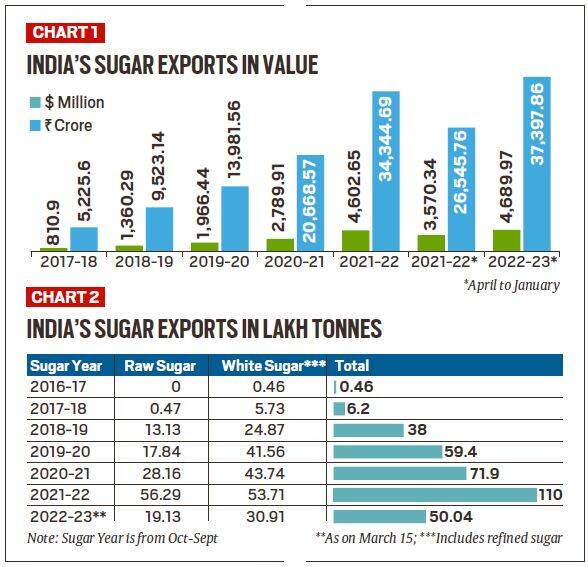
  • Between 2017-18 and 2021-22, sugar exports have soared from $810.9 million to $4.6 billion, and could cross $5.5 billion - or Rs 45,000 crore - in the fiscal year 2022-23.
  • The increase is even more significant in quantity terms. During the 2016-17 and 2017-18 sugar years (Oct-Sept), India’s shipments were a mere 0.46 lakh tonnes (lt) and 6.2 lt respectively, which zoomed to 110 lt by 2021-22.
  • Chart below shows  the value of sugar exports from India in US Dollars and Rupees (2017-18 to 2022-23), increasing year-on-year except in the 2021-22 period.nu5vfFH9f2mBTjjB P7bGHZVpd1m6liLEdM 9x8etXIdV QZ VoEsRHSp488BXjoITigsnt1T2DAAWmB e8TSlJo
  • India’s exports of both raw and white sugar. Chart below shows the quantity in lakh tonnes from 2016-17 to 2022-23. Till 2017-18, India hardly exported any raw sugar.
nu5vfFH9f2mBTjjB P7bGHZVpd1m6liLEdM 9x8etXIdV QZ VoEsRHSp488BXjoITigsnt1T2DAAWmB e8TSlJo
  • The efforts to push exports of raws got a further boost when Indonesia, in December 2019, agreed to tweak its ICUMSA norms to enable imports from India.
  • The Southeast Asian nation previously imported only raw sugar of 1,200 ICUMSA or more, largely from Thailand. Those levels were brought down to 600-1,200 to allow its refiners to process higher purity raws from India.
  • Out of India’s total 110 lt sugar exports in 2021-22, raws alone accounted for 56.29 lt. The biggest importers of Indian raw sugar were Indonesia (16.73 lt), Bangladesh (12.10 lt), Saudi Arabia (6.83 lt), Iraq (4.78 lt) and Malaysia (4.15 lt). 
  • The country also exported 53.71 lt of white/ refined sugar, the leading destinations for which included Afghanistan (7.54 lt), Somalia (5.17 lt), Djibouti (4.90 lt), Sri Lanka (4.27 lt), China (2.58 lt), and Sudan (1.08 lt).

What are Raw and White Sugar:

  • ICUMSA (short for the International Commission for Uniform Methods of Sugar Analysis), is a measure of the purity of sugar based on colour. The lower the value, the more the whiteness.
  • Raw sugar is what mills produce after the first crystallisation of juice obtained from crushing of cane. This sugar is rough and brownish in colour, with an ICUMSA value of 600-1,200 or higher. 
  • Raw sugar is processed in refineries for removal of impurities and decolourisation. The end product is refined white cane sugar having a standard ICUMSA value of 45. The sugar used by industries such as pharmaceuticals has ICUMSA of less than 20.
  • Till 2017-18, India mainly shipped plantation white sugar with 100-150 ICUMSA value. This was referred to as low-quality whites (LQW) in international markets.

Why are Raw Sugar Exports preferable?

  • Ease of Transport and Distribution: Much of the world sugar trade is in ‘raws’ that are transported vessels of 40,000-70,000 tonnes capacity as it requires no bagging or containerisation and can be loaded in bulk. The buyer of raw sugar is the refiner. Whereas, ‘Whites’ are usually packed in 50-kg polypropylene bags and shipped in 12,500-27,000-tonne container cargoes over shorter distances. The buyer of white sugar is the end-consumer.
  • Time Window: The refineries in countries such as Indonesia, Malaysia, South Korea, China and Bangladesh imported raws from Brazil. Brazilian mills operate from April to November, whereas our crushing is from October to April. We told them that they could source our raws during Brazil’s off-season. 
  • Freight Cost Savings: The voyage time from Kandla, Mundra or JNPT to Ciwandan Port of Indonesia is 13-15 days, compared to 43-45 days from Brazil’s Port of Santos.
  • Specific advantages of Indian raw sugar:
    • Dextran free raw sugar: Dextran is a bacterial compound formed when sugarcane stays in the sun for too long after harvesting. Indian raw is produced from fresh cane crushed within 12-24 hours of harvesting. The cut-to-crush time is 48 hours or more in Brazil.
    • Supply of raw sugar with a very high polarisation of 98.5-99.5%: Polarisation is the percentage of sucrose present in a raw sugar mass. The more the polarisation — it is only 96-98.5% in raws from Brazil, Thailand and Australia — the easier and cheaper it is to refine.
    • Enhanced awareness about the quality of Indian raw sugar: enables our raws today fetch a 4% premium over the global benchmark (New York No. 11 futures contract) price. This is in contrast to white sugar as our LQW sells at a $40/tonne discount to the world price (London No. 5 futures).

Challenges:

  • Dwindling availability for domestic market: Year-end stocks of sugar with Indian mills peaked at 143 lt in 2018-19. The concerted export drive, coupled with diversion of sugarcane juice to produce ethanol for blending with petrol, helped bring down closing stocks to about 70 lt by 2021-22 which was enough for just over 3 months of domestic consumption. This is in contrast to 2017-18, where closing stocks of sugar at 105 lt  enabled stocks accumulation to 5 months of domestic consumption.
  • Caps on Exports: Lower stocks and production dipping to an estimated 334 lt (from 359.25 lt in 2021-22) has led the government to cap India’s exports in the current sugar year to 61 lt. Out of that, over 50 lt have already been dispatched.
  • Reduced price realisation of sugar farmers: Mills in Maharashtra are now realising around Rs 32 for every kg of sugar sold in the domestic market. As against this, London white sugar prices are ruling at $585 per tonne. Even after factoring in the $40/tonne LQW discount and deducting Rs 2,500-3,000/tonne of internal transport and port expenses, the ex-mill realisations from exports work out much higher, at Rs 42-42.5/kg.

Way Forward:

  • The government may be concerned about domestic availability and food inflation. But overseas markets lost aren’t easy to regain.
  • Building export markets takes effort. Overseas buyers need to be convinced about the price competitiveness, product quality, and reliability of supplies from the exporting country.

Additional Surveillance Measure (ASM)

  • In order to enhance market integrity and safeguard interest of investors, Securities and Exchange Board of India (SEBI) and Exchanges have been introducing various enhanced pre-emptive surveillance measures such as reduction in price band, periodic call auction and transfer of securities to Trade for Trade segment from time to time.
  • In continuation to various surveillance measures already implemented, SEBI and Exchanges have decided that along with the aforesaid measures there shall be Additional Surveillance Measures (ASM) on securities with surveillance concerns based on objective parameters viz. Price / Volume variation, Volatility etc.

There are two types of ASMs:

  • Short-term additional surveillance measures .
  • Long-term surveillance measures. 

Stocks that are moved to ASM can’t be pledged. If in case a stock that you have pledged is moved under ASM then you can’t receive collateral margins for it.

This is because according to ASM, 100% of the margin has to be levied.

The collateral value will decrease by the value of collateral obtained against that particular stock. Investors have the option of unplugging the stock or keep it pledged without collateral till it is removed from ASM.

Please note that corporate actions are not affected if a stock is under ASM. The shareholders are still eligible for all corporate benefits like bonus, dividend, stock split, etc. even when the stock is under ASM.

Carbon Capture, Utilisation & Storage (CCUS)

They are a group of technologies for capturing of CO2 from large and stationary CO2 emitting sources, such as fossil fuel-based powerplants and other industries. CCUS also involves the transport of the captured CO2 to sites, either for utilisation in different applications or injection into geological formations or depleted Oil & Gas fields for permanent storage and trapping of CO2.

Neef for Carbon Capture (CCUS) Technologies

  1. Necessary to decarbonise hard to electrify sectors: CCUS offers only known technology for decarbonising the hard to electrify and CO2 intensive sectors such as steel, cement, oil & gas, petrochemicals & chemicals and fertilisers.
  2. Hydrogen economy: CCUS is expected to play a critical role in enabling hydrogen economy through production of blue hydrogen (i.e., coal gasification based hydrogen production with CCUS) based on India’s rich coal endowments.
  3. Sustenance of existing emitters: Nearly two-thirds of India’s 144 mtpa crude steel capacity and 210 GW of coal-based power capacity have an age of less than 15 years and cannot be wished away or stranded and need to be made sustainable by retrofitting with CO2 capture and disposition infrastructure. 

Carbon Capture Technologies

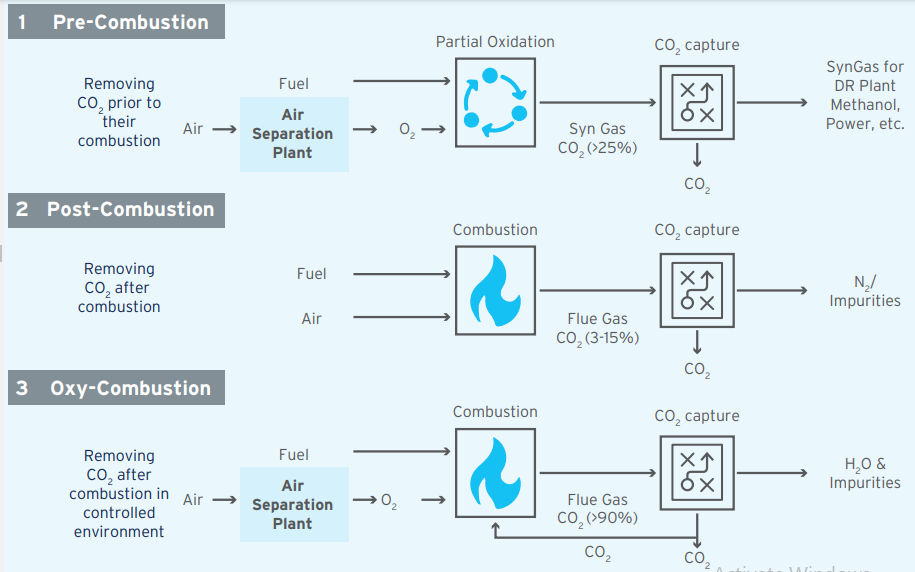
There are three broad categories of technologies for Capturing CO2:

  1. Post-combustion technologies: CO2 is separated from the flue gas after combustion. Fossil fuels like coal, oil, natural gas etc. are burnt in the presence of air. Hence, the flue gas is rich in N2 and the CO2 percentage typically varies between 3-15%. Since the partial pressure in CO2 in the flue gas is quite low, very high-volume chemical solvent (amine) circulation is required for CO2 capture. This makes post-combustion technologies energy and cost intensive.
  2. Pre-combustion technologies: This involve removing CO2 through upstream treatment of fossil fuels before combustion. Major difference between pre-combustion & post-combustion is that the former is favoured in cases where the gas stream has a higher partial pressure of CO2, such as in gasification of fossil fuels, natural gas based H2 production or sour gas processing. Since no chemical bonds need to be broken for solvent regeneration, the thermal energy penalty is much lower. The regeneration of physical solvent is primarily achieved by reducing pressure.
  3. Oxy-fuel combustion technologies: While post & pre-combustion carbon capture technologies have been commercially established, oxy-fuel combustion technologies are still in the development stage. Oxy-fuel combustion represents an emerging novel approach to near zero-emission. It is accomplished by burning the fuel in pure oxygen (O2) instead of air (O2 & N2). The flue gas stream would be primarily composed of water & CO2, rather than N2. High-purity CO2 can be recovered by condensation of water.

Direct Air Capture (DAC): DAC directly captures dilute CO2 (at 415 ppm) from the air and may also emerge as a form of carbon capture that has wide applicability, as it is independent of the source and concentration of the emission stream.

However, DAC is still in early stages and the economics and scale of operations are yet to be established.

a S4lT5UyfG6ni58lbbMX11afYdySzKM1RXYnwKseUvrRxU7TivLUqsO P0KvGWVG uHux3TxR4rrePvOIinQw0OYWKRDbh 9FafuFoLAUg9kNhxb6tTNg dTl43qZ9cak97KJf1mT4RIoTO 28H1A

CO2 Capture technologies

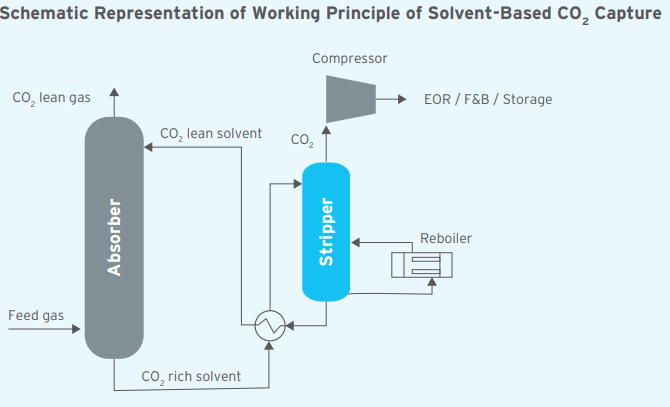
Solvent-based absorption: Solvent based CO2 capture processes have been used for processing natural (sour) gas, combustion flue gas and Fischer-Tropsch (FT) synthesis products. The fundamental principle on which solvent-based CO2 capture technologies work is selective absorption of CO2 over other gaseous constituents.  

The CO2  present in the feed/process gas is first selectively absorbed in an absorber using a solvent (physical  or chemical), the CO2 lean gas exits the absorber. The CO2 rich solvent is sent to a stripper type configuration where CO2 is released from the solvent and the lean solvent is regenerated for reuse. 

Solvent based CO2 capture technologies are classified into:

Diagram

Description automatically generated
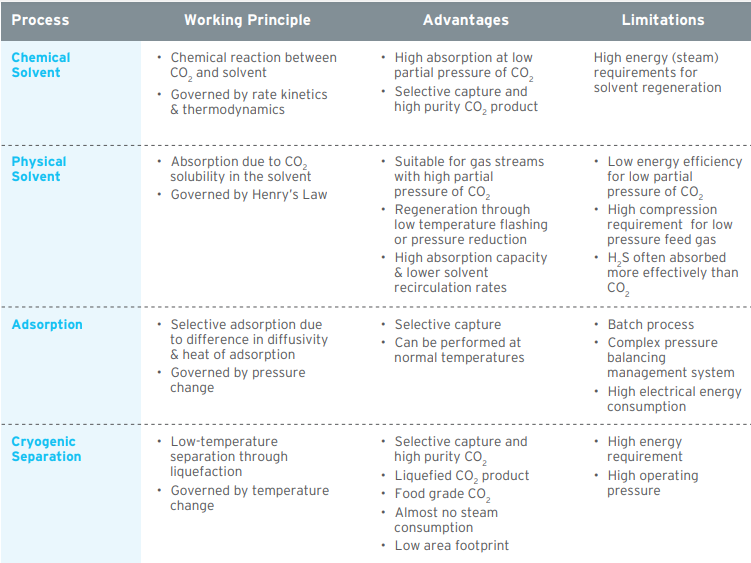
  1. Physical solvent-based absorption: CO2 gets physically dissolved in the solvent. This method performs well at higher partial pressure of CO2. Ex. Higher gas stream pressure and CO2 concentration in Syngas of gasifiers and SMRs make physical absorption-based capture more suitable. 
  2. Chemical solvent-based absorption: CO2 reacts with solvent chemically. This method is better suited for gas-streams having low concentration and partial pressure of CO2 due to the high chemical affinity to CO2 to amine/carbonate based chemical solvents and faster rate kinetics.  Ex. In Low CO2 partial pressures in the flue gas of coal-fired power plants make amine based chemical absorption preferred technique. Common solvents used as: Amine based solvents, Non-Aqueous Solvents, Carbonate-based solvents etc. While primary and secondary amines (such as MEA, DGA, AEE, DEA) have higher reaction rates and lower CO2 carrying capacities, tertiary, and polyamines (such as MDEA and piperazine) have lower reaction kinetics and higher CO2 carrying capacities. 
  3. Adsorption: In this process, CO2 molecules selectively adhere to the surface of adsorbent material and form a film due to difference in diffusivities and heat of absorption values for feed gas stream components. This method is suitable for gas streams with moderate to high pressure and moderate CO2 concentration such as SMR flue gas or BF gas.
  4. Cryogenic separation: This process like conventional distillation process, except that it involves separation of components from a gaseous mixture (instead of liquid) based on the difference in their boiling points. This technology is preferred in cases where cost of power is low. This technology provides a unique advantage by generating additional hydrogen without increasing the amount of feedstock (natural gas)/producing the same quantity of hydrogen with lower natural gas consumption. 
  5. Microalgae based carbon capture: Microalgae utilise the sparsely concentrated CO2 from atmosphere via Carbon Concentrating Mechanism (CCM) and thus are well-qualified for CO2 capture from a more concentrated stream of flue gas. Microalgae use CO2 as a nutrient for cultivation of microalgae. Microalgae can be cultivated in saline water systems as well and do not compete with food crops for arable land for cultivation. Due to faster growth cycle of microalgae, they can typically entrap 10-50 times more CO2 compared to terrestrial plants. They can also deacidify the seawater or wastewater used for their cultivation. This technology is, however, in its nascent stage.
McxDF6Fnc Lzu5od3xS fMEmV1 Z6e0P3w3mpTmp8LahgF2IK8xAFlWJs1VsM4tBUwlduwXQZU5loU woyoZwINJDlOBEUXiD jmXZcGvwrOwg 0RKFyHfoWF2ItWXqQNnvi 9hjlc WtRyaoUoMog

End use of captured CO2 can be either utilisation or permanent storage. 

CO2 UTILISATION TECHNOLOGIES

Rising interest in CCUS as a decarbonisation solution across industries, there is an also a need to look at CO2 utilisation pathways and technologies that are most appropriate for India. Some proven technologies for utilisation of captured CO2 are:

  1. Enhanced Oil Recovery (EOR): CO2 is used in EOR to produce low-carbon oil from maturing oil fields. EOR can help India towards residual oil extraction that is environmentally sustainable and economically feasible.
  2. Green Urea: Urea production from green ammonia can utilise a significant part of CO2. India’s production of ammonia is primarily based on imported LNG. 
  3. F&B applications: CO2 can be utilised in applications such as carbonated drinks, dry ice and modified atmosphere packing. However, scales are quite small compared to the volume of CO2 generation.
  4. Building Materials (Concrete & Aggregates): Utilising CO2 for producing building materials (aggregates & concretes) is likely to be the most attractive and feasible option. CO2 can be used both during concrete curing & aggregate formation. 
  5. Chemicals (Methanol & Ethanol): CO2 can be used production of chemicals such as methanol and ethanol at commercial scales. 

Methanol is a low carbon hydrogen carrier that can support applications like fuel substitution and act as intermediate to produce various speciality chemicals like acetic acid, MTBE, DME and formaldehyde producing products like adhesives, foams, plywood subfloors etc. CO2 hydrogenation process is used to convert captured CO2 into methanol.

Ethanol can be produced by ethylene hydration or biological processes using H2, CO and CO2 by biological gas fermentation process. Ethanol can be blended with Petrol to reduce fuel import bill.

  1. Polymers: CO2 can be converted into various polymers such as polyether carbonates, polycarbonates, diphenyl carbonate, cyclic carbonates etc. A polymer product of CO2 named AirCarbon has found multiple applications (Laptop packaging, cell phone casings, furniture etc.)

CO2 Storage Options

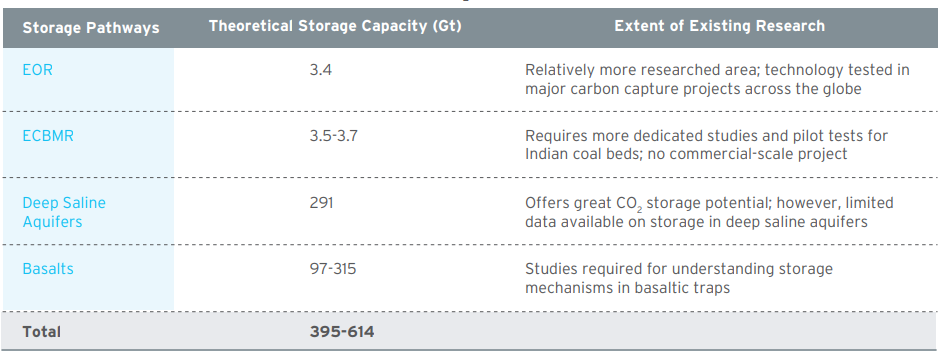
  1. Enhanced Oil Recovery (EOR): Ex. In India, Mumbai High, Assam shelf, Krishna Godavari basin & Cambay basins are prominent sites for storage of CO2. In CO2 EOR, compressed CO2 is injected into the reservoir. At high densities, CO2 is readily miscible with oil. It swells the oil and reduces its viscosity, thereby driving it away from rock formations and towards the production wells. It is estimated that 3.4 Gt of storage is available in India for CO2 storage. 
  2. Enhanced Coal Bed Methane Recovery (ECBMR): In this method, CO2 is injected into unmineable coal seams under supercritical conditions. The CO2 injected is accumulated in the coal cleats in a dense gas phase. This CO2 is adsorbed and absorbed in the coal. Since CO2 has a higher affinity for coal than CBM, it pushes the coal bed methane towards production wells, thus enhancing its primary recovery. Similar to CO2 EOR, ECBMR can help in permanently storing CO2 and the recovered methane can also help offset the cost of carbon captureThe potential for ECBMR is localized in the eastern region due to the presence of major coalfields. These can be storage clusters for industries that are close to the coalfields, such as steel and power plants.
  3. CO2 storage in Deep Saline Aquifers: Captured CO2 can be permanently stored in deep saline aquifers. Deep saline aquifers consist of porous rock formation that contains high quantities of unusable saltwater. Salt/mineral content is very high in this water rendering it unusable for human use. Brine water is called formation liquid and it is trapped by an impermeable rock called caprock. However, compared to EOR or ECBMR, injection of CO2 in deep saline aquifers has no economic benefit.  
  4. CO2 storage in Basalts: Basaltic rocks constitutes divalent cations of Ca, Mg and Fe. They can react with CO2 dissolved in water to form stable carbonate minerals and thus can offer a safe CO2 sequestration method. Compared to saline aquifers, basalt rocks offer faster reaction kinetics due to abundance of iron, calcium and magnesium oxides. Abundance of basalts on Earth’s surface is the reason interest in CO2 storage R&D programs in basalts. 
Table

Description automatically generated with medium confidence

China’s Global Security Initiative and the dichotomy

Context: Recently China introduced the Global Security Initiative (GSI) Concept Paper. The GSI is as a China-led framework that seeks to restore stability and security, particularly in Asia. The paper has outlined five major pillars to effectively implement the GSI, i.e., mutual respect; openness and inclusion; multilateralism; mutual benefit, and a holistic approach.

GSI is tailored more to be an empty narrative to compete with United States leadership and dominant U.S.-led concepts. As the war in Ukraine intensified and diverging perceptions among developing countries vis-à-vis the West and the unfolding war, China is seeking to leverage these fault lines by promoting its vision as a capable alternative leader.

Understanding the concept paper and dichotomy

  • The GSI’s first principle centres on the need for countries to adhere to the United Nations Charter and international law based on mutual trust and cooperation.

However China has consistently demonstrated the exact opposite in terms of its relations with its neighbours. Along its southwestern border, China continues to ensure that its relations with India are provocative by constantly undermining India’s territorial integrity and sovereignty. 

China is also increasing its assertive manoeuvres in the South China Sea by greatly militarising the disputed maritime territory at the expense of the sovereignty and the sovereign rights of its Southeast Asian neighbours. 

Further, in its complete rejection of international law, particularly the United Nations Convention on the Law of the Sea (UNCLOS), China continues to assertively intrude and block the access of its neighbours within their respective Exclusive Economic Zones.

  • The second principle of the GSI lies in its openness to spearhead inclusive international engagements

However China at the same time continues to engage in exclusionary policies in the East and South China Seas. This an outright rejection of freedom of navigation enshrined in international law and also a display of narrowly defined interests to consolidate its sphere of influence in the region.

  • The third principle focuses on bilateral and multilateral security cooperation and consultations to address issues of concern with the parties involved.

However analysing the Chinese understanding of consultation can be seen through the prism of asymmetric power relations such as constraining members of the ASEAN from pursuing collective actions against Beijing’s assertion. 

Moreover, China continues to delay the establishment of a crucial Code of Conduct for the South China Sea as it continues to bolster its military power projection in the disputed territory and indulge in various grey zone strategies.

  • The fourth principle highlights the GSI’s prioritisation of positive-sum cooperation, where parties involved can equally benefit

However if we look at China’s Belt and Road which seems to address the significant infrastructure deficit in the developing world, but the initiatives disregard for international macroeconomic stability by funding unsustainable projects for countries with low or non-existing credit ratings that creates more debt burdens for these countries. 

Further China has also shown disregard for its neighbour’s sovereignty and sovereign rights, as China has insisted on receiving a larger share in its bid for a joint exploration of resources with Manila in Philippine waters

  • The fifth and the last principle that GSI advocates a holistic approach towards traditional and non-traditional security threats, with an equal emphasis on eliminating any “breeding ground for insecurity”.

Rather than being holistic, China’s engagements with the powers indicate a more narrowly defined goal for its power interests. 

China also continues to be a catalyst for insecurity in the non-traditional security realm, starting from its alleged lack of accountability regarding the COVID-19 pandemic to arming terror groups, such as in Myanmar.
Therefore it can be concluded that China’s GSI is far from being a sustainable, equitable, and transparent solution to the growing insecurity that the world is facing, given an objective understanding of its track record in fulfilling its own principle requirements. Rather, the GSI indicates Beijing’s attempt to counter U.S. leadership through narratives, regardless of whether it can effectively operationalise such initiatives on the ground.

International Liquid Mirror Telescope at Devasthal

Context: Asia’s largest 4-metre International Liquid Mirror Telescope was inaugurated at Devasthal observatory in Uttarakhand. 

About the Telescope:

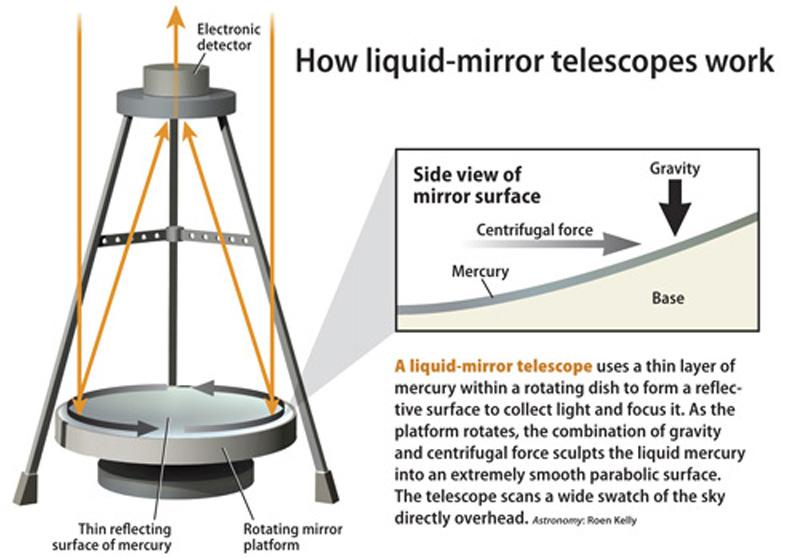
  • ILMT employs a 4-metre-diameter rotating mirror made up of a thin layer of liquid mercury, to collect and focus light.
    • Mercury has strong reflective power and stays in a liquid form at room temperature. Also, it is much cheaper than glass mirrors.
  • It is the first liquid mirror telescope designed exclusively for astronomical observations, the largest aperture telescope available in India and also the first optical survey telescope in the country. 
  • It is located at an altitude of 2450 metres at the Devasthal Observatory campus of Aryabhatta Research Institute of Observational Sciences (ARIES).

Composition:

  • There are primarily three ​components in a liquid mirror telescope: 
  1. A ​bowl ​containing ​a ​reflecting ​liquid ​metal ​(essentially ​mercury)
  2. An ​air ​bearing (or motor) ​on which ​the ​liquid mirror ​sits
  3. drive ​system
  • Liquid mirror telescopes take advantage of the fact that the surface of a rotating liquid naturally takes on a parabolic shape (under the influence of gravity and centrifugal force), which is ideal for focusing light.
  • The reflected light passes through a sophisticated multi-lens optical corrector that produces sharp images over a wide field of view. 
I read somewhere that mercury is being used to make liquid-mirror  telescopes. What are the advantages of collecting light this way? |  Astronomy.com

Significance:

  • ILMT is designed to survey the strip of the sky passing overhead each night, allowing it to detect transient or variable celestial objects such as supernovae, gravitational lenses, space debris, and asteroids.
  • While scanning the strip of the sky every night, the telescope will generate nearly 10-15 Gigabytes of data. This ILMT-generated data will permit the application of Big Data and Artificial Intelligence/Machine Learning (AI/ML) algorithms that will be implemented for classifying the objects observed with the ILMT. 
  • It enhances India’s capabilities to explore the mysteries of the deep celestial sky and astronomy. The data collected over an operational time of 5 years, will be ideally suited to perform a deep photometric and astrometric variability survey.

India and the USA

Context: After signing all the four foundational agreements to take forward strategic partnership, India and the U.S. are now working to finalise an “air information sharing agreement”.

  • The two countries are exploring  opportunities under the Defence Technology and Trade Initiative (DTTI) for co-development and co-production of high tech weapons.
  • The pact is expected to facilitate sharing of information between the Indian and the US forces apart from cooperation in specific areas.
  • Further the two countries announced an initiative on Critical and Emerging Technologies (iCET).
  • In addition, the U.S. is considering an application from engine manufacturer General Electric to jointly produce the GE-414 jet engines in India to power the indigenous Light Combat Aircraft (LCA)-Mk2 and the fifth generation Advanced Medium Combat Aircraft (AMCA).

India has now signed all four foundational agreements with the U.S.

The logistics agreement in 2016, Communications Compatibility and Security Agreement (COMCASA) in 2018 and Basic Exchange and Cooperation Agreement for Geo-Spatial cooperation (BECA) in 2020. While the General Security of Military Information Agreement (GSOMIA) was signed a long time ago, an extension to it, the Industrial Security Annex (ISA), was signed in 2019.

FOUNDATIONAL AGREEMENTS

BECA Finalising the agreement helped India get real-time access to American geospatial intelligence that will enhance the accuracy of automated systems and weapons like missiles and armed drones. Through the sharing of information on maps and satellite images, it will help India access topographical and aeronautical data, and advanced products that will aid in navigation and targeting. This was key to Air Force-to-Air Force cooperation between India and the US. In simpler terms just as your radio cab (or the GPS in your smartphone) helps you zero in on the path to your destination and helps you reach it quickly and efficiently, BECA will provide Indian military systems with a high-quality GPS to navigate missiles with real-time intelligence to precisely target the adversary.

LEMOA (first agreement to be signed in 2016) allows the militaries of the US and India to replenish from each other’s bases, and access supplies, spare parts and services from each other’s land facilities, air bases, and ports, which can then be reimbursed. It is extremely useful for India-US Navy-to-Navy cooperation, since the two countries are cooperating closely in the Indo-Pacific. In simple terms, it is like being able to stop at a friend’s garage or workshop to refuel your car or get it repaired when you are far away from your own home or workshop.

COMCASA (signed in September 2018, after the first 2+2 dialogue) it allows the US to provide India with its encrypted communications equipment and systems so that Indian and US military commanders, and the aircraft and ships of the two countries, can communicate through secure networks during times of both peace and war. In simpler terms it’s like being able to exchange messages or communicate with a friend on WhatsApp, Signal, or Telegram in real time and in a secure manner.

GSOMIA (signed in 2002) allows the militaries to share the intelligence gathered by them but the information was exchanged between the Government authorities of the two countries but not between private partiesIndustrial Security Annex (ISA) (signed at 2+2 dialogue in 2019) The Industrial Security Annex (ISA) to the India-U.S. General Security of Military Information Agreement (GSOMIA) will provide a framework for exchange and protection of classified military information between the U.S. and Indian defence industries. 
It will enable greater industry-to-industry collaboration for co-production and co-development in the defence sector, in line with the Indian objective of promoting Make in India in the defence sector.

SC Bench seeks data on alternatives to hanging

  • The Supreme Court on March 21 asked the Centre to provide data which may point to a more dignified, less painful and socially acceptable method of executing prisoners other than death by hanging.
  • A Bench of Chief Justice of India D.Y. Chandrachud and Justice P.S. Narasimha even mooted the setting up of an expert committee to relook at India's method of putting to death its criminals.
  • The Chief Justice said such a committee would have experts from the national law universities, professors of law, doctors and scientific persons.
  • The Court indicated to the Centre, represented by Attorney General R. Venkataramani, that it needed some underlying data based on which it could examine if there was a more "humane" method of execution which would render death by hanging unconstitutional.

    Death penalty has been one of the most contentious issues of India’s constitutional debate. Every time a death penalty has to be executed, it leads to a fierce public debate.

    Hence, we have to understand the following dimensions of this issue:

    • What is Death Penalty?
    • What is the method to be adopted while executing the death sentence in India? 
    • Issues involved in Death penalty. 
    • Important Supreme Court Judgments
    • Death penalty methods and failure rates
    • Alternatives to the death penalty
    • Global Trends

    What is Death Penalty?

    • Capital Punishment, also known as the death penalty, is the act of the state executing an individual as punishment for a crime. It has been a part of India's judicial system since the British era and is still a legally recognized form of punishment. 
    • While 109 countries have abolished the death penalty, 55 countries, including India, Pakistan, China, the USA, and Japan, continue to retain it for certain crimes.
    • Some countries do not practice the death penalty but still have provisions for it in their legal systems.
    • In India, under the Code of Criminal Procedure of 1898, the punishment for murder was the death penalty. Despite ongoing debates about its validity, the 35th Law Commission recommended in 1967 that the death penalty should be retained because it acts as a deterrent and creates fear among criminals.
    • The Constitutional validity of Death Penalty has been challenged from time to time and after the re-enactment of the Code of Civil Procedure in 1973, there have been certain changes in the concept of Death Penalty.
      • Under the 1973 Act, under section 354(3) special reasons have to be given for awarding the death penalty not life imprisonment.

    What is the method to be adopted while executing the death sentence in India? 

    • Art. 21 of the Constitution, which guarantees to every citizen the fundamental right to life, also expressly states, “no person shall be deprived of his life or personal liberty except according to procedure established by law." This means that under no circumstances your right to live will be taken away from you except by the due procedure established by law, that is the state can take away your life through the given process of law if it deems fit. Not all offences are punishable by death, in fact, most of the agencies do not elicit capital punishment; instead, it is only reserved for the most heinous of crimes.

    Hanging

    • Section 354(5) of the CrPC specifies that hanging is the method of execution in the civilian court system and that it is the only method permitted in India for the execution of a civilian person.
    Text

Description automatically generated

    Shooting

    • Another execution method used in India is shooting. A firing squad member may execute a convict who has been given the death penalty. The only organisations capable of executing the death penalty in this manner are the Army, Air Force, and Navy. According to the Army Act of 1950, the army court-martial system recognises both hanging and shooting as legitimate methods of execution.

    But as all of us can understand that death penalty is a highly controversial and divisive topic. While some argue that it is a justifiable form of punishment for heinous crimes, others believe that it is ethically and morally wrong. Here are some of the main ethical issues associated with the death penalty:

    1. Human rights violations: Many argue that the death penalty violates the basic human right to life. The state taking a person's life, even if they have committed a serious crime, is seen as a violation of their human dignity.
    2. Possibility of wrongful convictions: There have been numerous cases where innocent people have been sentenced to death. This raises serious concerns about the reliability of the justice system and the risk of executing an innocent person.
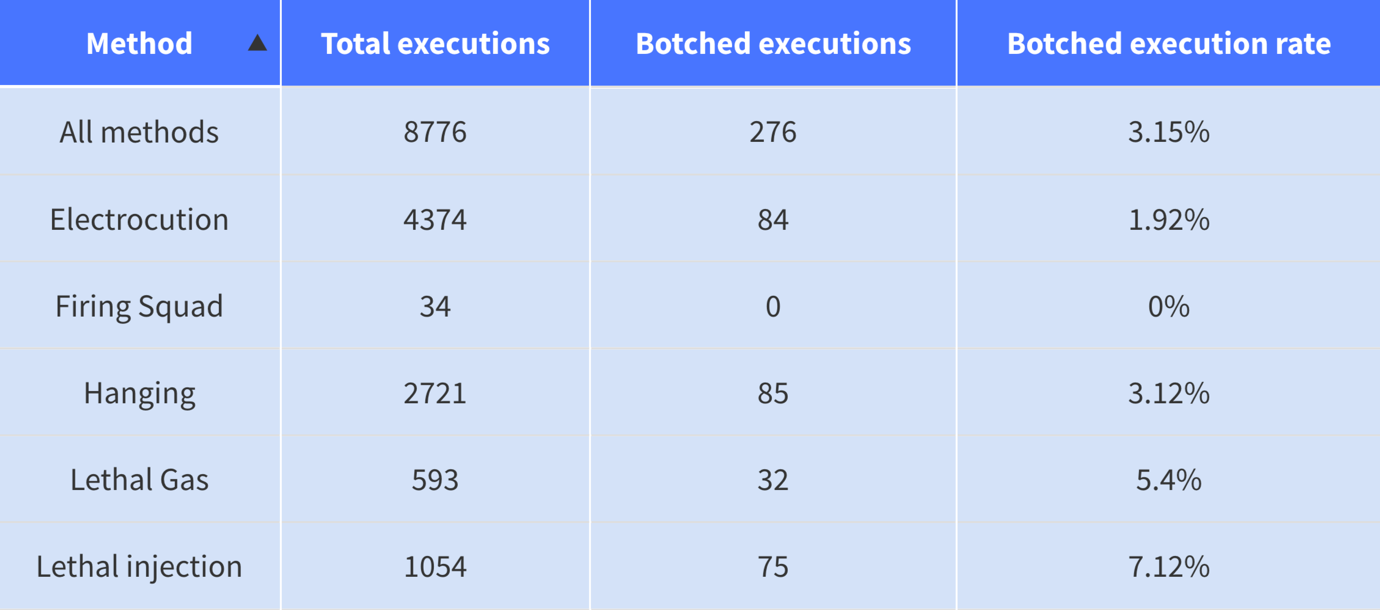
    3. Botched executions: 'Botched executions' are those that did not go as planned, resulting in unnecessary pain for the person charged with death penalty.
    4. Inequities in application: The application of the death penalty is not uniform and can be influenced by factors such as race, gender, and socioeconomic status. This raises concerns about the fairness and impartiality of the justice system.
    5. Retribution vs. rehabilitation: The death penalty is often seen as a form of retribution rather than rehabilitation. This raises ethical questions about whether the state should be seeking revenge or working towards the rehabilitation of offenders.
    6. Cost: The death penalty is often more expensive than life imprisonment. This raises ethical questions about the allocation of resources and whether society should be spending money on a form of punishment that is not proven to be more effective than alternatives.

    Overall, the ethical issues associated with the death penalty are complex and multifaceted. While some argue that it is necessary for justice to be served, others believe that it is a violation of human rights and that alternative forms of punishment should be explored.

    Important Supreme Court Judgments

    • Bachan Singh v. State of Punjab, 1980: Consider aggravating and mitigating factors of crime and the accused. Use Death Penalty only in 'rarest of rare cases'.
    • Machhi Singh v. State of Punjab, 1983: Identify the way the crime was committed, motive, the anti-social nature of the crime, the magnitude of the crime, and the personality of the victim.
    • Shatrughan Chauhan v. Union of India, 2014: Undue, inordinate and unreasonable delay in death penalty execution amounts to torture and a ground for commutation of sentence. 

    Death penalty methods and failure rates

    • The table shows the proportion of botched executions for each method. Data includes only executions in the U.S. from 1890 to 2010.
    ZWq4D12c iGP0rGv9WraJRMW6yVTpypEKhmzR0W jf wJe0DqNOvbUq9Q Lgykj98sArumpARSc0SiBDnggi47L7zFfdyHDrbNYmvApk2HvhOeJsmKrJBcWxu20t LngDQZIp5DF

    There are several alternatives to the death penalty that are used by various countries and jurisdictions around the world.

    Here are a few examples:

    • Life imprisonment without the possibility of parole: This is a sentence in which the offender is kept in prison for the rest of their life, with no chance of release. This is a common alternative to the death penalty in many countries.
    • Restorative justice: This is a process in which the offender is required to make amends for their crime, usually through community service or financial restitution to the victim. This approach focuses on repairing harm rather than punishment.
    • Rehabilitation programs: This involves providing offenders with education, job training, counseling, and other services that can help them reintegrate into society and avoid future criminal behavior.
    • Community service: This is a sentence in which the offender is required to perform a certain amount of community service as a form of punishment.
    • Fines and other monetary penalties: This involve imposing a financial penalty on the offender, which can range from a small fine to a substantial sum of money.
    • Suspended sentence: This is a sentence in which the offender is found guilty but not actually sent to prison. Instead, the sentence is "suspended," which means that the offender is released but must adhere to certain conditions, such as regular check-ins with a probation officer or avoiding further criminal activity.
    • Capital punishment moratorium: This is a temporary or indefinite suspension of the death penalty, which allows time for review and reform of the justice system.

    Overall, there are many alternatives to the death penalty that can be effective in deterring crime, protecting society, and rehabilitating offenders.

    Global Trends

    The use of the death penalty varies greatly around the world. While some countries have abolished it entirely, others continue to use it as a form of punishment for certain crimes. Here are some global practices with regard to the death penalty:

    • Abolitionist countries: As of 2021, 109 countries have completely abolished the death penalty. These countries include Canada, most of Europe, Australia, New Zealand, and many Latin American and African countries.
    • There are still 55 countries that retain the death penalty in law and/or in practice, including the United States, China, Iran, Saudi Arabia, and Vietnam.
    • Some countries that have not abolished the death penalty have imposed a moratorium on executions. This means that while the death penalty is still legal, no executions are being carried out. For example, India has not executed anyone since 2015.
    • The methods used to carry out the death penalty also vary around the world. In some countries, such as the United States, lethal injection is the most common method, while in others, such as Saudi Arabia, beheading is used.
    • The crimes that can result in the death penalty also vary by country. In some countries, such as Iran and Saudi Arabia, crimes such as drug trafficking and apostasy can result in the death penalty, while in others, such as the United States, only certain types of murder can result in the death penalty.

    The ethical implementation of the death penalty requires adherence to certain principles, such as ensuring that the justice system is free of flaws and that laws are properly enforced. To avoid any failures or miscarriages of justice, the criminal justice system must be improved.

    In addition, the judiciary must maintain a consistent approach that takes into account the restorative and rehabilitative aspects of justice in order to avoid any negative consequences that could arise from imposing the death penalty.

    Furthermore, there must be compelling justifications for the imposition of the death penalty in order to avoid excessive punishment and maintain respect for the value of life.

    Finally, the mercy petition must be treated as the final bulwark against any miscarriage of justice, with a time-bound disposal of such petitions to ensure that justice is served.

    Is the SARSCoV2 XBB.1.16 lineage a cause for concern?

    UPSC Syllabus: Awareness in the fields of IT, Space, Computers, robotics, nano-technology, bio-technology and issues relating to intellectual property rights.

    Context: XBB.1.16, first detected in SARS-CoV-2 sequences from India, is a recombinant lineage of the corona virus. Preliminary data suggest that XBB.1.16 has a higher growth advantage over currently circulating SARS-CoV-2 lineages. The strain also has mutation associated with immune escape, or the ability of the virus to evade antibodies generated from previous infections or vaccines.

    What are recombinants?

    Co-infection of multiple lineages of a virus can lead to the exchange of genetic material between them through the process of recombination. Recombination is a process where genetic material from two different lineages of the same virus combines to form a new genome, which can give rise to chimeric genomes, or recombinants.

    Recombinants may have the potential to create new lineages of the virus that possess better functional capabilities than either of the parent lineages. This is because the process of recombination allows for the combination of different genetic elements that may provide the virus with new functional advantages.

    While most recombinations may not give rise to viable viruses, some rare recombinations could result in the creation of a new lineage of the virus. These new lineages may have improved pathogenicity, transmissibility, or other functional capabilities that make them more dangerous to human or animal health.

    Why recombination happens so rapidly?

    Since the replication of virus happens freely in the host cytoplasm, the process is completely unregulated. While the errors in DNA virus genomes can be corrected by the error-correcting function of cells in which they replicate, there are no enzymes in cells to correct RNA errors.

    Therefore, RNA viruses, having a higher mutation rate than DNA viruses, tend to create recombinants rapidly. 

    Unfortunately, the potency of a mutation to increase infectivity in a region can only be known retrospectively. 

    Are all recombinants dangerous?

    Most changes have little to no impact on the virus’ properties. However, some changes may affect the virus’s properties, such as how easily it spreads, the associated disease severity, or the performance of vaccines, therapeutic medicines, diagnostic tools, or other public health and social measures.

    Why is XBB.1.16 a cause for concern?

    • Amid the ongoing increase in the number of seasonal influenza H3N2 cases, an uptick in COVID-19 cases is also being seen in India in the month of March, despite the low number of testing. 
    • The fast-spreading XBB.1.16 lineage is believed to be responsible for the recent spike in COVID-19 cases in India.
    • XBB.1.16 presently accounts for more than 30% of all the sequenced genomes in the month of March 2023, and its proportion has been seen to be increasing in the past few weeks. 

    It is important to monitor for the emergence of recombinant viruses because they can have significant impacts on public health.

    For example, the H1N1 influenza virus that caused the 2009 pandemic was a recombinant virus that combined genetic material from swine, avian, and human influenza viruses.

    This new lineage of the virus was able to infect humans and rapidly spread around the world, resulting in significant morbidity and mortality.

    Is XBB.1.16 more infectious?

    Based on preliminary data, there is no evidence to suggest that infections with the XBB.1.16 lineage differ in clinical severity from those caused by other Omicron lineages although the higher growth advantage and immune escape could lead to a higher risk of reinfection with XBB.1.16 compared to other circulating Omicron lineages. Protecting the vulnerable through time-tested means could therefore significantly blunt the rise in infections.

    PM to inaugurate ITU Area Office

    Context: Prime Minister of India will inaugurate the new International Telecommunication Union (ITU) Area Office and Innovation Centre in India.

    About International Telecommunication Union (ITU):

    • It is a specialized agency of the United Nations that focuses on information and communication technologies (ICTs). 
    • ITU was established in 1865 to enhance global connectivity in communication networks. 
    • The organization is responsible for managing the allocation of global radio spectrum and satellite orbits, as well as developing technical standards that enable seamless interconnectivity among networks and technologies. 
    • Membership of ITU is open to all member states of the United Nations. 
    • There are currently 193 member states of the ITU, including all UN member states except the Republic of Palau
    • Its headquarters is based in Geneva, Switzerland. 

    Reports/Publications of ITU:

    • ICT Development Index
    • Global ICT Regulatory Outlook 2020
    • Global Cyber Security Index
    • Global e - Waste Monitor (along with United Nations University & International Solid Waste Association (ISWA)

    India & ITU:

    • India has been an active member of the ITU since 1869, earnestly supporting the development and propagation of telecom in the global community of nations.  
    • The country has been a regular member of the ITU Council since 1952, and has played an important role in harmonizing the contributions of member States from the region, always respecting the principles of equality and consensus-building.  
    • India had been elected as a Member of the International Telecommunications Union (ITU) Council for 4-year term (2019-2022). 
    • India signed Host Country Agreement with the International Telecommunication Union for establishment of Area Office & Innovation Centre at New Delhi (March 2022). The Host Country Agreement provides the legal and financial framework for establishment and operations of the Area Office.
    • The Area Office and Innovation Centre of ITU at New Delhi is expected to serve South Asian  countries namely Afghanistan, Bangladesh, Bhutan, Iran, Maldives, Nepal, Sri Lanka and India.  

    Give PDS beneficiaries the option to bundle millets with wheat, rice

    Context: There is a news article in Indian express dated 22 march 2023 to allow millets under PDS, we will understand the various aspects of news in detail.

    Who recommended millets in PDS?

    To boost the consumption of millets, a Parliamentary panel has suggested that beneficiaries of different government schemes like PDS should be given the option to bundle millets along with wheat and rice.

    Which parliamentary committee is related to PDS?

    The Standing Committee on Consumer Affairs, Food and Public Distribution presented a demand for a grant report in the Lok Sabha on Tuesday for the department of food and public distribution. The report said that States are allowed to procure coarse grains/millets (Jowar, Bajra, Maize and Ragi etc.) from farmers at MSP under the central pool.

    What is the procedure to procure and distribute millets under PDS?

    This is subject to the prior approval of the Centre on the detailed procurement plan prepared by State Governments in consultation with FCI and also as per Guidelines for procurement, allocation, distribution and disposal of coarse grains/millets. 

    Under which schemes Millets can be distributed by States?

    The procured quantity should be distributed under TPDS (Targeted Public Distribution System)/OWS (Other welfare Schemes) in the State/UT. 

    What are the new changes made in the guidelines?

    • Further, the report said that the Department has revised the guidelines for allocation, distribution and disposal of coarse grains procured by the State Agencies/FCI and
    • Enhanced the distribution period to 6-10 months from an earlier period of 3 months
    • Provision of advance for subsidy inter-state transportation of surplus millets through FCI is also incorporated. 

    What is the role of the department of food and public distribution?

    The Department also informed that the millet promotion is being done by the Agriculture Ministry in coordination with the Agriculture Departments of various States and the Department’s role is confined only to procuring them and distributing them for various schemes such as PDS, MDM (mid-day meal) scheme and Integrated Child Development Scheme (ICDS). 

    What is millet at all?

    Millets are a group of cereal grains that belong to the Poaceae family, commonly known as the grass family. Some of the millets are ragi, bajra, jawar etc. 

    What is the importance of millet?

    • Millets have gained popularity in the West because they are gluten-free and boast high protein, fibre, and antioxidant content. 
    • Millets provide more essential amino acids than most other cereals. These compounds are the building blocks of protein  
    • What’s more, finger millet boasts the highest calcium content of all cereal grains. Calcium is necessary to ensure bone health, blood vessel and muscular contractions, and proper nerve function.
    • Millets are rich in fibre and non-starchy polysaccharides, two types of undigestible carbs that help control blood sugar levels. 
    • This cereal also has a low glycaemic index (GI), meaning that it’s unlikely to spike your blood sugar levels. Thus, millet is considered an ideal grain for people with diabetes.
    • Millets contain soluble fibre, which produces a viscous substance in your gut. In turn, this traps fats and helps in reducing cholesterol levels.
    • They’re also able to survive in harsh environments and less fertile soil. 
    • They have multiple advantages over other crops, including drought and pest resistance

    Is there any downside to millet?

    Despite millets’ multiple health benefits, they also contain antinutrients — compounds that block or reduce your body’s absorption of other nutrients and may lead to deficiencies.

    One of these compounds — phytic acid — interferes with potassium, calcium, iron, zinc, and magnesium uptake. However, a person with a balanced diet isn’t likely to experience adverse effects.

    Other antinutrients called goitrogenic polyphenols may impair thyroid function, causing goitre — an enlargement of your thyroid gland that results in neck swelling.

    Nevertheless, this effect is associated only with excess polyphenol intake

    What are the recommendations of the panel?

    The panel recommended

    • Ministry should encourage the production and procurement of millets in all the States especially the States having significant tribal populations such as Rajasthan, MP and Chhattisgarh etc.
    • Ministry should provide all possible aid/assistance/bonuses to farmers opting to grow millets

    Further, to encourage the consumption of millets, the Committee further suggest that the beneficiaries of different schemes should be given the option to bundle millets along with wheat and rice within their entitled quantity.