Current Affairs

Somatic Mutation

Context: The ‘Somatic Mosaicism across Human Tissues’ (SMaHT) Network is exploring somatic mutation's significance, promoting insights into human biology and disease management through research.

Biological Terms 

TermMeaning 
Genome The entire set of genetic material in an organism. It includes both the coding sequences (genes) and non-coding regions of DNA.
Human Genome The complete set of genetic material (DNA) present in a human cell. It contains all the instructions necessary for the growth, development, functioning, and maintenance of a human being.
Deoxyribonucleic Acid (DNA)The molecule that carries genetic information in cells. It consists of a double-stranded helical structure made up of nucleotide units.HT7FcAbgr1Hz7MFZAt5kUGKSNt1Ygsd 2hJq9ga5alp6pw1ON9tocT0K1Qq w3KVpzdoaphLijZxnTuZDLddvXFDW3Dbp4bcwRSU1eJOeIAWIYA3WqC3P eVBr0DESD7x6cAZlB9taolLe4h r j Q
Chromosomes Thread-like structures made of DNA and proteins found in the nucleus of cells. They carry genetic information in the form of genes. In humans, there are 23 pairs of chromosomes (46 individual chromosomes), with one chromosome from each pair inherited from each parent.Ou0CQxjO RQ0IBocoGEiSZsFmo66BdH1cdA2yNiUiRNc sw vvDbvAXZdYysTcyP0euDk3honMsAe736BAyK OmfPjZF5BnNFkq7WRPCbnIosO9PvatOOpwvG2ykc IlBf2a19nUBjmvGyClJ8YjLg
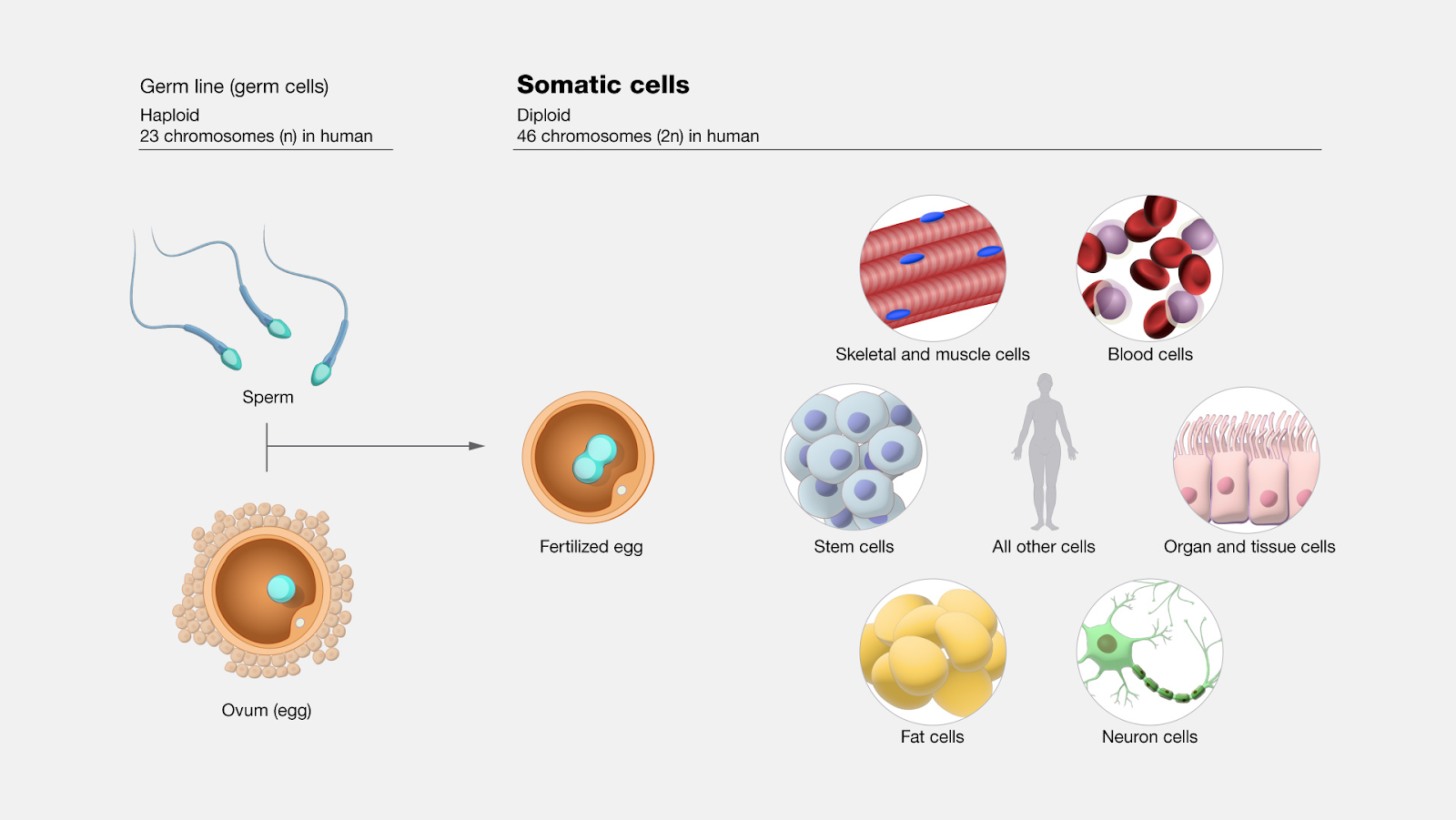
Somatic CellsCells in the body other than sperm and egg cells (which are called germ cells). In humans, somatic cells are diploid, meaning they contain two sets of chromosomes, one inherited from each parent. DNA mutations in somatic cells can affect an individual, but they cannot be passed on to their offspring.q0 PInTl0faWLP BEPsoL4R28e9elDrZs9w9xrKycspEjSvuaj4VSFv3k7hgzNedqfRnCTx8Elgt oIT4UuyO4ZFNFcr7MvSG7c4 u4Oapd4A9 mGEmfbucTE4UukzYX MD6lvIDQrIDoKuc3wAz8g
Germ Cells Cells that give rise to the reproductive cells of sexually reproducing organisms – known as gametes – through a process called gametogenesis. In animals, the reproductive male gametes are sperm cells and the female gametes the oocytes.
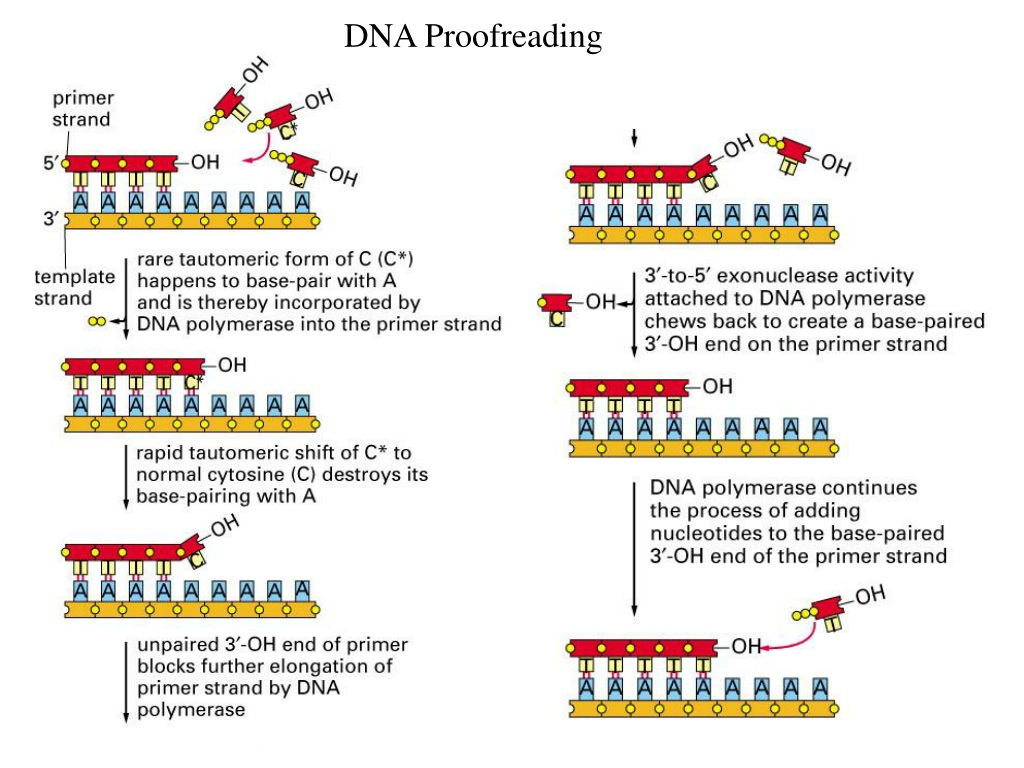
Proofreading The process by which enzymes detect and correct errors (mutations) that occur during DNA replication, ensuring the accuracy of DNA copying.v tmgM41K8EySE59Hmp3M4t4 RexFNIPbJOZwC9DJ ce1WN5n3tFPHBzpjvEJwNVFEBD0dX1ZUeu5sghynmXWynt1Jav7OZ
Turnover Turnover is the replacement of old cells with new ones.
Mutation A change in the DNA sequence of a gene or chromosome. Example: Single nucleotide changes (point mutations), deletions, insertions.UWsz1knpjSnujdvyy5Bf1mHeRoghWXynC94DYNP N0pMjD2GhIl7P6I3r2UecpuqKo9EHvLTyWBUoSo1xjWPb3urQNaIAHZXECxA0mPC T
Somatic Genetic Mutation A mutation that occurs in the DNA of somatic cells (body cells) after birth. These mutations are not passed on to offspring. Example: Skin cells acquiring mutations due to UV radiation exposure.albPkwjiTwyKLn830SNNG37sewJj2pNOdy3LKnXnPxJw8oyv1N3 86E18Np8qo7di0S L 3Ggajg96g2Os9uXVJRcnjvtW
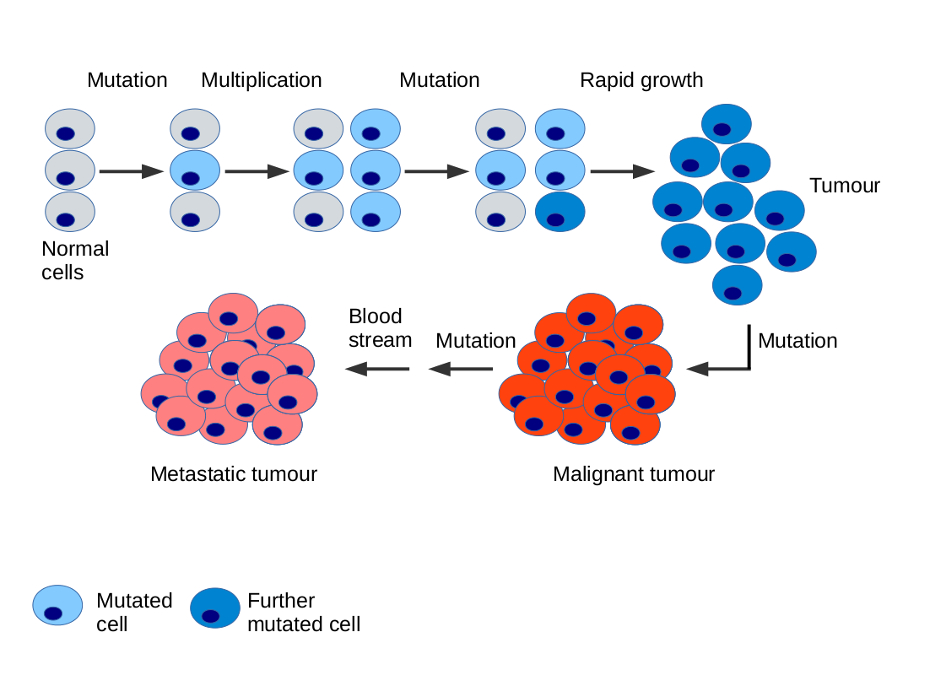
Driver Mutation A mutation that provides a growth advantage to a cell, often contributing to the development of diseases like cancer.
Genetic Variants Differences in the DNA sequence among individuals of the same species. These can include single nucleotide polymorphisms (SNPs) or larger structural variations.
Immune Cells Cells of the immune system that defend the body against pathogens. Examples include B cells and T cells.
Genetic diseases Disorders caused by mutations in an individual's DNA. Example: Cystic fibrosis caused by mutations in the CFTR gene.
Mutation SignaturesDistinctive patterns of genetic variations associated with specific types of cancer or genetic diseases.
MicrofluidicsA technology that manipulates small amounts of fluids at a microscopic scale.
Cancer A group of diseases characterized by uncontrolled cell growth and division.H fkZESqgWWOMEgzJaNkEDKNVmoTrqBSNuchsjDBdYwMkbWuvbcgBbLvGrQqFYGEhx2VeOhd6mrcn9tT1UpQMCqz6D2IKO7fG5YJg76KtddOrDxikP a5j7s bRAeV dr8JR6Zkg
Somatic MosaicismThe presence of different genetic variants in different cells of the same individual.

Somatic Genetic Mutations

  • When cells divide, the DNA is copied with extremely high accuracy because of the proteins that proofread and correct errors in the DNA. 
  • But despite this mechanism, various studies have estimated that there is still an error rate of 0.64-0.78 mutations per billion base pairs per division.
  • Repeated copy-pasting of these cells results in more somatic genetic mutations, the older an individual is and the higher the turnover of the tissue.
  • These conditions are not inherited from parents but are a result of new genetic variations in somatic cells.

Cause of Concern 

  • Genetic Diseases:
    • Many genetic diseases arise from somatic genetic variants that occur during development, leading to various genetic diseases. 
    • Severity and distribution of the disease depends on how early or late during development the corresponding mutation occurred.
  • Cancer Development: 
    • Somatic genetic mutations can lead to the development of cancers and can also be accelerated by cancer. 
    • These mutations are often responsible for the formation of tumors through driver mutations.

Need of Understanding these Mutations 

  • Early Diagnosis: 
    • The relationship between somatic changes and cancer underscores the importance of understanding these mutations for early detection, diagnosis, and prognosis.
    • Understanding the timing and impact of these mutations during development is crucial for comprehending the severity and distribution of genetic disorders.
  • A Positive Change: Somatic changes can be beneficial in a genetic disease by changing a deleterious change to a normal one, a phenomenon known as revertant mosaicism. For example, around 10% of cases of Wiskott-Aldrich syndrome, a rare genetic immunodeficiency, have been found to have revertant mosaicism, as a result alleviating the severity of the disease in many individuals.
  • Immunity Building:
    • Somatic genetic variants play a vital role in the immune system's ability to generate diverse antibodies.
    • Immune cells like B and T cells undergo significant somatic changes to produce a wide array of proteins that recognize and bind to pathogens. 
    • This diversity is critical for effective immune responses, and studying these variants can provide insights into immune-related disorders.

Global Example 

Somatic Mosaicism across Human Tissues’ (SMaHT) Network

  • The U.S. National Institutes of Health has launched a programme focused on understanding the breadth of somatic mosaicism and the biological and clinical significance of such somatic events in humans.
  • This network aims to catalyse study in the field by discovering somatic variants, developing tools and resources with which to study them, and improving ability to analyse, interpret, and organise them in different biological and clinical contexts.

6th Census Report on Minor Irrigation Schemes

Context: Ministry of Jal Shakti has released the 6th Census Report on Minor Irrigation Schemes. 

About Minor Irrigation Schemes

  • Minor Irrigation Schemes are defined as those structures either in groundwater or in the surface water category having culturable command areas up to 2,000 hectares. 
  • Ground Water schemes provide irrigation throughout the year and are dependable which has helped in sustaining agricultural production over the past years. Groundwater-based minor irrigation schemes comprise dug wells, dug-cum bore wells, shallow, medium and deep tube wells.
    • Dug wells cover ordinary open wells of varying dimensions, dug or sunk from the ground surface into a water-bearing stratum to extract water for irrigation.
  • Surface water scheme comprises surface flow schemes and surface lift irrigation schemes. Surface flow schemes typically consist of tanks, check-dams, and structures and can serve as water conservation cum groundwater recharge schemes. These structures are generally prevalent in hilly regions.
    • Surface lift schemes are generally built in regions where topography does not permit direct flow irrigation from rivers and streams and hence water must be lifted into irrigation channels. 

Benefits of Minor Irrigation Schemes 

  • Need small investment
  • Have short gestation periods in which they become functional
  • Benefits of these schemes directly reach farmers
  • Have better control overflow of water
  • Contribute a substantial share of irrigation across the country 
  • Thus, minor irrigation schemes are essential and critical to increase the productivity of agriculture in the country. This is especially true in the face of climate change. 

Minor Irrigation Census

  • Government of India has been conducting a census of minor irrigation schemes to create sound and reliable data for minor irrigation schemes for effective policy and planning in this sector. 
  • Till now 5 minor irrigation censuses have been done 1986-87, 1993-94, 2000-01, 2006-07 and 2013-14 respectively. 
  •  The 6th minor irrigation census with reference year 2017-18 was completed in 32 States/ UTs.

Highlights of the 6th Minor Irrigation Census

  • Number of minor irrigation schemes: There are 23.14 million minor irrigation schemes in India spread over 695 districts. Of these 21.93 million (94.8%) are groundwater and 1.21 million (5.2%) are surface water schemes. As compared to the 5th Minor Irrigation Census, there is an increase of 6.6% in the number of minor irrigation schemes in the 6th Minor Irrigation Census. Dug wells have the highest share in MI schemes followed by shallow tube wells, medium tube wells and deep tube wells.
  • Groundwater-based minor irrigation schemes: Groundwater accounts for a major share (94.8%) of all minor irrigation schemes in India. Among the Groundwater schemes, dug wells and shallow tube wells are declining whereas there is an increase in medium and deep tube wells. Among surface water schemes, the share of surface lift is declining while the share of surface flow schemes is increasing. UP, Maharashtra,  Madhya Pradesh, Tamil Nadu and Telangana have the greatest number of Groundwater based minor irrigation schemes. 
  • Surface water-based minor irrigation schemes: Surface lift schemes are declining whereas surface flow schemes are increasing. 
  • Irrigation Potential Created (IPC) & Utilised (IPU) by minor irrigation schemes: IPC and IPU from groundwater-based schemes have increased while IPC and IPU for surface water schemes have declined during the 6th minor irrigation census. This implies a declining dependency of farmers on surface water schemes and an increasing dependency on groundwater schemes for meeting minor irrigation needs. 
  • State-wise distribution of minor irrigation schemes: UP has the largest number of minor irrigation schemes (17.2%) followed by Maharashtra (15.4%), MP (9.9%) and Tamil Nadu (9.1%). 
  • Ownership of minor irrigation schemes: 96.6% of minor irrigation schemes are under private ownership whereas 3.4% are under public ownership. Therefore, most minor irrigation schemes are owned by individuals or groups of farmers. In GW schemes, the share of private ownership is 98.3% while in surface water schemes private ownership stands at 64.2%. For the first time, information on the gender of the owner of the MI scheme was collected. 18.1% of minor irrigation schemes are owned by women. 
  • Financing of minor irrigation schemes: Own saving of farmers is the major source of financing for installation of minor irrigation schemes. Thus, there is a need for more financial support to farmers by financial institutions.
  • Mode of water distribution: There has been an improvement in water use efficiency and a decline in the wastage of water using improved water distribution devices over the years. The use of open channels for conveying water to fields has declined to 42% (though still the most dominant mode). Correspondingly, the share of efficient water distribution systems like surface pipe, underground pipe, drip and sprinklers has increased. Underground pipe has recorded the highest increase followed by surface pipe and drip. 
  • Lifting devices in minor irrigation schemes: Majority of schemes i.e., 57.6% have submersible pumps followed by 37.1% centrifugal pumps, and 1.9% turbine whereas 3.4% are operated by manual/animal lifting and other devices. 76% of schemes use electricity as a source of energy followed by diesel pumps in 22.2% of schemes.

Basic structure doctrine

The Basic Structure Doctrine emerged from the Kesavananda Bharati judgment of the Supreme Court, delivered by a majority of 7:6 on April 24, 1973. It held that Parliament could not alter the basic structure of the Constitution by an amendment.

There is no exclusive and definitive list of what the basic features are, for the judiciary decides this on a case-by-case basis. In consequence, as cases accumulate, the list of areas off-limits to the executive gets longer.

This creates a peculiar political environment where frenzied elections generate tall mandates that are undeliverable. The executive remains hamstrung, constrained not just by limited material resources but bound by limited and uncertain legal room to manoeuvre.

The consequence of this gap between parliamentary competence and executive impotence knocks the wind out of the power and capacity of electoral democracy.

The political culture it breeds is known as “cheap talk” in game theory, seen in such emphatic gestures as grandstanding and heady rhetoric followed by inaction, empty rhetoric and costless, non-binding, unverifiable communication between politicians and the electorate.

If you look at the syllabus of GS Paper II: 

General Studies- II: Governance, Constitution, Polity, Social Justice and International relations. 

  • Indian Constitution—historical underpinnings, evolution, features, amendments, significant provisions and basic structure.

Mains 2019:

“Parliament’s power to amend the Constitution is a limited power and it cannot be enlarged into absolute power.” In the light of this statement explain whether Parliament under Article 368 of the Constitution can destroy the Basic Structure of the Constitution by expanding its amending power? 

But in order to understand the Basic Structure concept, we will have to move sequentially from understanding the: 

  • Amendment procedure 
  • Genesis of the doctrine through various Supreme court judgments 
  • The current ambit of the term 
  • Merits and Demerits of the Basic Structure. 

Constitutional amendment:

  • Like any other written Constitution, the Constitution of India also provides for its amendment in order to adjust itself to the changing conditions and needs. However, the procedure laid down for its amendment is neither as easy as in Britain nor as difficult as in USA. In other words, the Indian Constitution is neither flexible nor rigid but a synthesis of both. Article 368 in Part XX of the Constitution deals with the powers of Parliament to amend the Constitution and its procedure. 
  • It states that the Parliament may, in exercise of its constituent power, amend by way of addition, variation or repeal any provision of the Constitution in accordance with the procedure laid down for the purpose. However, the Parliament cannot amend those provisions which form the ‘basic structure’ of the Constitution. This was ruled by the Supreme Court in the Kesavananda Bharati case1 (1973).

 PROCEDURE FOR AMENDMENT 

The procedure for the amendment of the Constitution as laid down in Article 368 is as follows: An amendment of the Constitution can be initiated only by the introduction of a bill for the purpose in either House of Parliament and not in the state legislatures. 

The bill can be introduced either by a minister or by a private member and does not require prior permission of the president.The bill must be passed in each House by a special majority, that is, a majority of the total membership of the House and a majority of two-thirds of the members of the House present and voting. 

Each House must pass the bill separately. In case of a disagreement between the two Houses, there is no provision for holding a joint sitting of the two Houses for the purpose of deliberation and passage of the bill. If the bill seeks to amend the federal provisions of the Constitution, it must also be ratified by the legislatures of half of the states by a simple majority, that is, a majority of the members of the House present and voting. After duly passed by both the Houses of Parliament and ratified by the state legislatures, where necessary, the bill is presented to the president for assent. 

The president must give his assent to the bill. He can neither withhold his assent to the bill nor return the bill for reconsideration of the Parliament.

After the president’s assent, the bill becomes an Act (i.e., a constitutional amendment act) and the Constitution stands amended in accordance with the terms of the Act. 

Emergence of the basic structure

The question whether Fundamental Rights can be amended by the Parliament under Article 368 came for consideration of the Supreme Court within a year of the Constitution coming into force. In the Shankari Prasad case (1951), the constitutional validity of the First Amendment Act (1951), which curtailed the right to property, was challenged.

The Supreme Court ruled that the power of the Parliament to amend the Constitution under Article 368 also includes the power to amend Fundamental Rights. The word ‘law’ in Article 13 includes only ordinary laws and not the constitutional amendment acts (constituent laws).

Therefore, the Parliament can abridge or take away any of the Fundamental Rights by enacting a constitutional amendment act and such a law will not be void under Article 13.

But in the Golak Nath case (1967), the Supreme Court reversed its earlier stand. In that case, the constitutional validity of the Seventeenth Amendment Act (1964), which inserted certain state acts in the Ninth Schedule, was challenged.

The Supreme Court ruled that the Fundamental Rights are given a ‘transcendental and immutable’ position and hence, the Parliament cannot abridge or take away any of these rights. A constitutional amendment act is also a law within the meaning of Article 13 and hence, would be void for violating any of the Fundamental Rights.

The Parliament reacted to the Supreme Court’s judgement in the Golak Nath case (1967) by enacting the 24th Amendment Act (1971). This Act amended Articles 13 and 368.

However, in the Kesavananda Bharati case3 (1973), the Supreme Court overruled its judgement in the Golak Nath case (1967). It upheld the validity of the 24th Amendment Act (1971) and stated that Parliament is empowered to abridge or take away any of the Fundamental Rights. At the same time, it laid down a new doctrine of the ‘basic structure’ (or ‘basic features’) of the Constitution.

It ruled that the constituent power of Parliament under Article 368 does not enable it to alter the ‘basic structure’ of the Constitution. This means that the Parliament cannot abridge or take away a Fundamental Right that forms a part of the ‘basic structure’ of the Constitution.

The doctrine of basic structure of the constitution was reaffirmed and applied by the Supreme Court in the Indira Nehru Gandhi case (1975).

In this case, the Supreme Court invalidated a provision of the 39th Amendment Act (1975) which kept the election disputes involving the Prime Minister and the Speaker of Lok Sabha outside the jurisdiction of all courts.

The court said that this provision was beyond the amending power of Parliament as it affected the basic structure of the constitution.

Again, the Parliament reacted to this judicially innovated doctrine of ‘basic structure’ by enacting the 42nd Amendment Act (1976). This Act amended Article 368 and declared that there is no limitation on the constituent power of Parliament and no amendment can be questioned in any court on any ground including that of the contravention of any of the Fundamental Rights.

However, the Supreme Court in the Minerva Mills case4 (1980) invalidated this provision as it excluded judicial review which is a ‘basic feature’ of the Constitution.

Applying the doctrine of ‘basic structure’ with respect to Article 368, the court held that: “Since the Constitution had conferred a limited amending power on the Parliament, the Parliament cannot under the exercise of that limited power enlarge that very power into an absolute power.

Indeed, a limited amending power is one of the basic features of the Constitution and, therefore, the limitations on that power cannot be destroyed. In other words, Parliament cannot, under article 368, expand its amending power so as to acquire for itself the right to repeal or abrogate the Constitution or to destroy its basic features. The donee of a limited power cannot by the exercise of that power convert the limited power into an unlimited one”. 

Elements of the Basic Structure

The present position is that the Parliament under Article 368 can amend any part of the Constitution including the Fundamental Rights but without affecting the ‘basic structure’ of the Constitution.

However, the Supreme Court is yet to define or clarify as to what constitutes the ‘basic structure’ of the Constitution. From the various judgements, the following have emerged as ‘basic features’ of the Constitution or elements of the ‘basic structure’ of the constitution: 

  1. Supremacy of the Constitution. 
  2. Sovereign, democratic and republican nature of the Indian polity
  3. Secular character of the Constitution 
  4. Separation of powers between the legislature, the executive and the judiciary 
  5. Federal character of the Constitution 
  6. Unity and integrity of the nation 
  7. Welfare state (socio-economic justice) 
  8. Judicial review 
  9. Freedom and dignity of the individual
  10. Parliamentary system 
  11. Rule of law 
  12. Harmony and balance between Fundamental Rights and Directive Principles  
  13. Principle of equality
  14. Free and fair elections 
  15. Independence of Judiciary 

Criticism of the doctrine of Basic Structure

  • Legitimacy of the judgement can be questioned as the verdict was given on a very thin margin (7-6). 
  • Judiciary is "overlooking the letters of the constitution" and "inventing its soul".
    • It's metaphysical appraoch "Basic Structure" disturbs the separation of power and establishes judicial sovereignty
  • Judiciary is least representative and most elitist, least accountable hence assuming the role of super legislature is unsuitable for democracy. 
  • Since entire spectrum of BS is undefined, it creates uncertainty and discretion affecting the working of executive. 

Arguments in favor: 

  • The fundamental structure concept serves as evidence for the constitutionalist thesis that majority rule by force cannot destroy the core of the COI.
    • “Parliament too is a creature of the Constitution”. Therefore, it can only have such powers that are expressly vested on it. If those powers are seen as unlimited, Parliament, the Court found, “would cease to be an authority under the Constitution”; it would instead “become supreme over it, because it would have power to alter the entire Constitution including its basic structure”. In other words, the principle that Parliament is proscribed from changing the Constitution’s essential features is rooted in the knowledge that the Constitution, as originally adopted, was built on an intelligible moral foundation.
  • Because it serves as a check on constituent power, the fundamental concept preserved Indian democracy; otherwise, unchecked parliamentary power may have turned India into a totalitarian state.
  • Retaining the fundamental principles of our constitution, which our founding fathers so painstakingly crafted, is beneficial.
  • It gave citizens fundamental rights that no state organ can alter by restricting the legislative branch's ability to amend laws.
  • Being dynamic in nature, it is more progressive and open to changes in time unlike the rigid nature of earlier judgements.

It's important to note that the doctrine's implications and future depend on legal, political, and societal developments. Hence: 

  • The courts will need to maintain their independence and commitment to upholding the Constitution's core values. Upholding the doctrine will require judges to have a deep understanding of constitutional principles and an unbiased approach to evaluating amendments.
  • The courts must ensure that the doctrine is not misused to stifle legitimate amendments that aim to enhance democratic governance.
  • As society and legal thinking continue to evolve, the doctrine's interpretation may also adapt. The judiciary should consider contemporary challenges and contexts when applying the doctrine.
  • Citizens need to understand the importance of safeguarding the Constitution's core principles and how the Basic Structure Doctrine plays a role in that protection.
  • Comparative analysis can help refine the Basic Structure Doctrine and adapt it to India's unique constitutional context.
  • While the doctrine primarily concerns the judiciary, it's crucial for the other branches to respect the Constitution's core principles.
  • Over time, it might be beneficial to assess whether the existing procedure for amending the Constitution is suitable or if any modifications are needed to balance the need for change with the need to protect the Constitution's core.

Remember that the evolution and future of the Basic Structure Doctrine will be influenced by various factors, including legal developments, political dynamics, societal changes, and the commitment of stakeholders to uphold the Constitution's values.


Echolocation: A Revolutionary Navigational Technique

Context: In a recent development, engineers have harnessed the power of echolocation to create smartphone apps that generate room maps, greatly aiding individuals with visual impairments in navigating their surroundings more effectively.

image 9

About Echolocation:

  • It is also known as biosonar and constitutes a biological sonar system employed by various animal species.
  • Animals adept in echolocation emit calls into their environment and subsequently capture and interpret the returning echoes of these calls from nearby objects.
  • It is widely used for underwater navigation, communications, and even as a method to find fish. 
  • This intricate technique is a primary sensory tool for animals such as bats, dolphins, and certain other species, facilitating precise object localisation through the analysis of reflected sound waves.
  • It empowers these animals to navigate seamlessly in absolute darkness, supporting activities like hunting, discerning friends from foes, and evading obstacles.
  • Animals that use echolocation emit high-frequency sound pulses, often beyond the range of human hearing.
  • Humans have harnessed the principles of this ingenious technique to create devices like sonar and radar. 

Working of Echolocation

  • Sound Emission: Animals capable of echolocation emit high-frequency sounds, often beyond the range of human hearing. These sounds are usually clicks, whistles, or chirps. The specific frequencies and patterns of these sounds can vary between species.
  • Sound Reflection: When these emitted sounds encounter objects in the environment, they bounce off those objects and create echoes.
  • Echo Reception: The animals' ears or specialized auditory structures are highly sensitive to detecting the echoes. They can interpret the timing, intensity, and frequency of the echoes to determine the distance, size, shape, texture, and even movement of objects around them.
  • Processing: The brain processes the information from the echoes to build a mental map of the surroundings. Animals can use this information to navigate, locate prey, avoid obstacles, and communicate with other members of their species.

Echolocation Practitioners 

  • Diverse creatures like bats, whales, dolphins, select avian species like the nocturnal oilbird and specific swiftlets, along with shrews and the tenrecs of Madagascar, are recognized echolocation users.
  • Dolphins and toothed whales capitalise on echolocation to gain visibility in murky waters and the depths of the ocean, enabling pursuits of deep-sea prey like squid. They extract information concerning an object's distance, direction, velocity, density, and dimensions.
  • Bats, by employing echolocation, accomplish nighttime flight and navigation within dark caverns. This ability likely evolved to facilitate the detection of nocturnal insects inaccessible to birds. Bats can detect insects up to a 5-meter distance, gauging size, hardness, and even evading obstacles as delicate as human hairs.
  • The oilbird, active during the night, and certain insect-eating swiftlets employ sharp, audible clicks to guide them through darkness.
  • Some nocturnal shrews emit ultrasonic squeaks to explore their obscure surroundings. Similarly, shrew-like tenrecs from Madagascar employ tongue clicks for nocturnal echolocation, possibly aiding in locating sustenance.
  • Another intriguing possibility is humans – many blind people can find their way around simply by listening to echoes bouncing off surrounding objects.

G20 ministers agree to map global value chains, link MSMEs

Context: Trade and Investment Ministers of G20 nations, which together generate 75% of the world’s trade flows, agreed to map global value chains, integrate small businesses with them and ease trade documentation.

What are Global Value Chains?

  • GVCs refer to the full range of activities (design, production, marketing, distribution and support to the final consumer, etc) that are divided among multiple firms and workers in multiple countries to bring a product from its conception to its end use and beyond. 
  • The Global value Chains (GVCs) have been developed for a number of products such as Automobiles, Pharmaceuticals, Textiles, Electronics, Chemicals, Gold and Jewellery etc.

Why Should India Get Integrated Into GVCs?

  • Economic Growth and Development: According to the World Bank, a 1 percent increase in the level of GVC participation increases average productivity by 1.6 percent and per capita Income by more than 1% in the long-run. This is on account of following reasons:
    • Provides a fast track route to Industrialisation since there is no need to build the entire supply chain right from scratch.
    • Better access to a greater variety of higher-quality or less costly intermediate inputs.
    • No need for firms to focus on the entire supply chain and instead focus on specialised tasks leading to Hyper-specialisation.
    • Transfer of technology and know-how from the foreign partners.
    • Promotes collaboration rather than competition between Domestic and Foreign Firms wherein each of them focuses on specialised tasks in the production cycle. Both Domestic and Foreign firms collaborate with each other in order to minimise the costs and maximise the profits.
    • Knowledge Intensive firms in other countries would share product innovations with Indian Firms and thus provide scope for the Indian firms to move higher up the value chain.
    • Increase in Employment creation and Exports.
  • Increased Job Creation and Labour Welfare:
    • Potential to provide fillip to the Manufacturing sector leading to structural change in the Indian Economy.
    • Shift in the Workers from agriculture to Manufacturing. 
    • Higher Paying Jobs accompanied by Social Security benefits.
    • Induce shift in type of employment from Self-employed and Casual workers towards Salaried Workers. 
  • Socio-Economic Transformation: GVCs support employment of not just men, but also women. Notably in the apparel and electronics sectors, where assembly of many small parts must be done manually, firms report preferences for female employees because of the high levels of dexterity required. Thus, as seen in Bangladesh, higher employment creation for Women would have following benefits:
    • Higher Expenditure on Girls' Education.
    • Decline in IMR and MMR.
    • Political, Economic and Social Empowerment of Women.
  • Doubling of Farmers' Income: India is one of the largest producers of Agri-commodities, its share in global exports stands at merely 2.2% (9th Rank). This clearly highlights India's poor Integration into Global agricultural supply chains. Hence, greater integration would translate into expanded market access and higher prices for the farmers leading to doubling of their income levels.
  • Higher Resilience: According to OECD, Integration of economies into GVCs lead to resilience, stability and flexibility in their production network and hence capable of responding to domestic shocks. On the other hand, economies which are less integrated into GVCs are more vulnerable to shocks and hence may see decline in economic activity and fall in National incomes in response to domestic shocks.

India's Poor Integration Into GVCs

  • According to OECD-WTO’s TiVA (Trade in Value Added) database, India’s GVC participation index stands at 43, as compared to 52 for Vietnam and 60 for Malaysia. The GVC participation index displays a country’s integration into the GVC and is the sum of forward and backward linkages divided by total exports. The foreign value added of India's Gross Exports (Forward Linkages) has reduced from 25% (2012) to 16% (2016).
  • Some of the reasons for India's poor Integration into GVCs are as given below:
    • Historical Reasons: Inward-looking Industrial policies with focus on State-led Industrialisation, Import-substitution, Licence-raj System etc. 
    • Lack of Lead Firms in India: The lead firms are the firms that establish supply chains across the world and hence major drivers of GVCs. For example, in India, Tata Motors (Automobile) and Ranbaxy (Pharmaceuticals) have emerged as lead firms by attracting foreign Investment, transferring technology, establishing supply chains etc. However, there is a need to have such lead firms in almost all sectors.
    • Higher Focus on Domestic Market: Indian Firms have traditionally focussed on Indian Domestic Market since it is quite large. However, they have failed to realise that integration into GVCs would give them a much wider market.
    • Inward Oriented FDI Policy: Countries such as China and Vietnam have been inviting MNCs with GVC linkages to their countries leading to their Integration. However, India has so far not given due emphasis on this aspect of FDI policy.
    • Lack of Focus on R&D leading to limited knowledge transfer.
    • Lack of access to Finance- Higher Dependence of Banks, Under-developed Bond Market etc.
    • Inability of the Government to bring about long-pending Labour Reforms.
    • Lack of availability of skilled manpower in crucial sectors Electronics.
    • Higher Logistics Cost (14%) as compared to USA (9%) and Japan (11%) - leading to Uncompetitive Indian exports.
    • Poor Focus on Quality due to higher share of small-scale enterprises.
    • Inverted Duty structure making import of Finished Goods cheaper.

Way Forward

  • Government should address the various constraints highlighted above in order to successfully integrate the Indian Economy into GVCs. India should target the entire production cycle in the Smile Curve of the Global Value Chains (GVCs). 
  • In some of the selected products such as Automobile, Pharmaceuticals etc, India needs to focus on high-end activities such as Conceptualisation and Design in order to reap its expertise in R&D, technology. 
  • India must also focus on the lower end of the curve (Production and Assembly) to give fillip to "Make in India" and "Assemble in India".

Jet Engine Deal between India & USA

Context: During the visit of Prime Minister Narendra Modi to USA there was landmark deal between General Electric of USA and Hindustan Aeronautics Limited of India to co-manufacture fighter jet engines in India. The manufacturing of jet engines will start with technology sharing of over 50% which will further increase over the production cycle. 

About the GE-HAL fighter jet engine deal

  • Under the deal, GE will transfer technology and manufacturing capabilities for F414 jet engine which has been used by US Navy aircraft for more than 30 years.
  • More than 1400 such engines have been deployed and have clocked more than 5 million flight hours.
  • The F414 jet engine currently or in future will power fighter jets in US, Sweden, Australia, Kuwait, Brazil, South Korea, India & Indonesia.
image 8

Current Engines Used in Tejas

  • Currently, HAL's Tejas uses GE's F404 engine which is predecessor of F414. 
  • Tejas Mark 2 which is a more powerful fighter aircraft needs a bigger engine for which HAL plans to use F414 engine of GE.
  • F414 will also be used for India's next generation Advanced Medium Combat Aircraft.

India's efforts to develop jet engines

  • India has made great leaps in indigenous development of defence systems and platforms in developing a world class missiles, aircrafts, submarines and aircraft carriers. 
  • However, India has failed to develop a viable and functional jet engines for its fleet of fighter aircrafts. 
  • Kaveri aero engine was developed by the Gas Turbine Research Establishment (GTRE), under the DRDO, after a 30-year developmental period. This, however, was not found suitable for the indigenous Light Combat Aircraft (LCA), as it was underpowered and overweight to meet the aircraft’s performance requirements.
  • Challenges in developing
    • Development of indigenous jet engines is complex, costly and time consuming process requiring
    • Managing extreme engine temperatures
    • Composites & Alloys: Jet engines use superalloys and composite materials which can withstand temperatures beyond 1800oC. Thus, there is a need to develop high-resistance materials like silicon carbide or ceramic matrix composites

Significance of Jet Engine deal for India

  • Significant step forward in India-USA relations:
    • This is the first instance when US will be sharing a cutting edge technology in its defence capabilities with a non-ally.
    • This deal also marks the first time when there will be a co-production of jet engines of US with a country with which US does not have a treaty. 
    • Under the deal, US will be sharing a substantial share of sensitive jet engine technology with a provision of technology transfer ratio to increase. This is the most technology transfer the US has ever authorised.
    • The deal would reduce India's reliance of defence aircrafts offered by Russia to India and will expand the growing interoperability between US and Indian military.
  • Entry into exclusive club: India will become the fifth country in the world to produce jet engines. Currently, only Russia, USA, France & UK have the capability to produce jet engines.
  • Boost to defence capabilities: This deal is expected to boost and modernise India's fighter jet capabilities as it will allow India to indigenously produce jet engines for its Tejas fleet with one of the most powerful and reliable engines. It will help India's to replace its reliance on ageing Russian fleet which currently power its air force and naval aircrafts.
    • Domestic manufacturing of jet engines will reduce cost of fighter jets in India.
    • Reduce dependence on foreign suppliers for engines for India's fighter aircrafts.
  • Boost to defence manufacturing: 
  • Edge over China: The jet engines offered by US have more power and efficiency, longer life and need lower maintenance compared to jet engines currently manufactured by China. Thus, giving India an edge over China in terms of defence capabilities. 

Concerns over the deal

  • Not complete transfer of technology: Though the deal has a significant transfer of technology component. However, transfer of technology is not complete. 
  • Better jet engines are available as compared to F414 jet engines which is being offered to India. For ex. US has been developing advanced F136 jet engine for its F35 fighter aircrafts. 
  • Importance of Russia: US demands India to shun military ties with Russia to further boost its defence collaboration with Russia for the fear of its defence technology falling in Russian hands. However, India and Russia enjoy unparallel trust and collaboration in defence relations like Brahmos cruise missiles. Thus, India would not want to compromise its defence relations with Russia. 

Way forward for Indigenous Jet Engine Development

  • Focus on indigenous development of jet engines: Despite GE-HAL jet engine deal, India should try and develop its own engines for both civilian and fighter jets. India has a lot of engineering talent which could be harnessed for this. Government and Private sector should collaborate on this. This will result:
    • Increasing India's strategic autonomy.
    • Reduce reliance on other countries.
    • Reduce cost of manufacturing of fighter aircrafts.
    • Increase India's potential as a global supplier and exports of defence aircraft systems.
  • HAL-BHEL Joint Venture for Jet Engines: The technology for development of jet engines and industrial gas turbines is similar with difference in weights and compression ratios, dealing with different levels of heat and oxygen availability. A joint venture can be explored between these to develop indigenous jet engines in India. 

Fiscal Fedralism

According to author the dynamics of the emerging fiscal federalism of India entails significant rethinking especially in the context of the 16th Finance Commission. One Fundamental aspect of our Governance is the fiscal federalism which provides the autonomy of the states to raise revenue and undertake expenditure according to their priorities and needs. Such form of fiscal federalism has been formulated keeping in mind the diverse needs and aspirations of the states across India and hence considered critical for balanced and holistic development of the entire country.

Before going into details of the report which shall be extremely important from the perspective of Mains examination, Let us first understand the need for any such body at the first place? Specially given that states and centre both have been enabled to levy and collect taxes in their domains. 

Now finance commission is body to facilitate fiscal balance in the Indian federal structure and hence enabling Fiscal federalism. 

What is a Fiscal imbalance?

  • Fiscal imbalance occurs when the revenues of a are not appropriate to carry out the responsibilities allocated to it. 

Now there are two kinds of imbalances that can occur in Indian Federalism: 

  • vertical imbalance (between state and centre)
  • horizontal imbalance (among the states)

Finance Commissions – A Historical Perspective

Reason for vertical distribution of resources from centre to state

Vertical and horizontal imbalances are common features of most federations and India is no exception to this.

So why does vertical imbalance (between state and centre) occur? 

  • Because there is a mismatch of responsibilities and revenue sources between the Union and the States? 
  • Now why is that?: mainly because of two reasons
    1. Constitution assigned taxes with a nation-wide base to the Union (which earn higher revenues)
      • Why was this done? 
        • This was done to make the country one common economic space unhindered by internal barriers to the extent possible. 
    2. Constitution assigned functional responsibilities involving high expenditure disproportionate to their assigned sources of revenue
      • Since the expenditures are incurred mainly in the executive branch, let us see the constitutional scheme for the same: 
Legislative responsibility  Executive responsibility  
LIST IUnion Union 
LIST IIState State 
LIST IIIBoth State 
  • So you can see that states take care of both List 1 and List II
  • Why was this done? 
    • States being closer to people and more sensitive to the local needs have been assigned 
  • These two factors have resulted in vertical imbalances.

So why does horizontal imbalance (among the states) occur? 

  • Unlike in most other federations, differences in the developmental levels in Indian States are very sharp. 
  • Horizontal imbalances across States are on account of factors, which include historical backgrounds, differential endowment of resources, and capacity to raise resources. 

So you can say that the creation of Finance commission is the recognition of the imbalance which exists in the federalism and hence mechanisms under article 280 and 281 have been created to ensure that these imbalances are minimized. 

Hence let us have a look at the constitutional provisions related to the finance commission as far as constitution of India is concerned:

ysCEVkZ8bU5fih6J5Eg601INu6jiuXJ6RV9vnNfUT41ETRWN3nwNXX8VJJoyM673jQEjk9uG0s91QW6cAwxZdXblg821qKLwZ6Xl FUA4te2bRBjCzd28FDQ6ZhN3N1Cp5nNevy3S1F8gDhKBD4Kpw
Lwdcw8PjfOvcCqZO1o
A screenshot of a cell phone

Description automatically generated
A screenshot of a cell phone

Description automatically generated
A screenshot of a cell phone

Description automatically generated

So as you read in article 280, the report of the Finance Commission has to be submitted for every five years and you also know that the report of the last FC (14th) was applicable for 2015-2020 period, then why did FC 15 not submit the final report for the period 2020-2025? 

  • At the formation of the 15th FC, It was required to submit the report by October 30, 2019 for five years for the period 2020-21 to 2024-25. 
  • However, due to various political and fiscal developments, its term was extended. 

So what are the reasons behind the extensions? 

  • Speak: the basic reason is that the reports of the FC are based on the projections of various parameters related to taxation, GDP and deficits. the current state of Indian economy makes it difficult for any panel to successfully do a projection. 

So why making medium-term projections in the current scenario would mean serious risks? 

  • Changes in the federal units 
    • the abolition of Statehood to Jammu and Kashmir required the Commission to make an estimation excluding the Union Territory
  • Historically low Nominal growth rate 
    • the deceleration in growth and low inflation has substantially slowed down the nominal GDP growth which is the main tax base proxy; making projections of tax revenues and expenditures based on this for the medium term could have posed serious risks. 
  • Issues related to Tax revenues 
    • Poor revenue performance of tax collection more particularly Goods and Services Tax 
    • Also the compensation agreement to the loss of revenue to the States is applicable only till 2022(which means  it will cover only two years of the period covered by the Commission’s recommendations hence posing uncertainties)

So these are the factors which have compelled the extension of the term of 15th FC as well as its submission of interim report. 

Let us now discuss the highlighting features of the report: 

14th FC15 FCRemarks
Vertical distribution 4241the Fifteenth Finance Commission continued with the recommendation of the previous Commission relating to vertical division of taxes, and adjusted the States’ share to 41% to exclude the share of Jammu and Kashmir.
Horizontal Distribution 
Population1971 (17.5%)
2011(10.0%)


  2011(15.0%)


Income Distance50.0%45.0%
Area15.0%15.0%
Forest cover7.50%10.0%
it has used two additional factors — demographic performance and tax effort.
Demographic PerformanceNA12.5%the inverse of fertility rate hence showing sensitivity to the concerns of these States.
Tax Efforts NA2.5%

However, in recent years, the fiscal federalism has become skewed towards the Centre in certain aspects and the same has been opposed by number of states. In this regard, let us understand some important issues which have arisen in the Centre State Fiscal Relations.

Higher Share of Cess and surcharge: Cess and surcharge imposed and collected by the Centre do not form part of Central Divisible pool of taxes. They are not distributable among the States and hence continue to remain with the centre. Over a period, the Centre has been imposing large number of surcharge and Cess to mobilise revenue. A Case in point is the recent introduction of the Agri Infrastructure Cess in the Union Budget 2021-22.

The share of Cess and Surcharge as a percentage of Gross Tax Revenue (GTR) of the centre has increased sharply from 2.3% in 1980-81 to 15% in 2019-20. The States see this as an illegitimate way of depriving resources that are rightfully due to them. 

GST compensation: States agreed to give up the power to impose indirect taxes and adopt GST based on a guaranteed 14 per cent growth in GST revenues per annum. The Centre committed to pay the states for the shortfall in their GST revenue through the imposition of GST Compensation Cess for a period of 5 years.

However, on account of CoVID-19 pandemic, there was GST shortfall of almost around Rs 3 lakh crores. However, money collected under GST compensation Fund was hardly around Rs 65,000 crores. Hence, there was an obligation on the Centre to pay compensation amount of almost Rs 2.35 lakh crores. Initially, the Centre asked the States to borrow this amount from the market. Later on, due to strong opposition, the Centre decided to borrow on behalf of the states and compensate them. This recent issue over GST compensation has led to erosion of trust in the fiscal federalism.

Centrally Sponsored Schemes (CSS): The Centrally Sponsored schemes are the schemes which are financed by both Centre and States in a defined proportion (70:30 or 60:40 or 50:50 etc), but implemented by the respective State Governments. Some of these schemes include MGNREGA, Ayushman Bharat, National Education Mission etc.

The Centre lays down elaborate rules and guidelines with respect to implementation of these schemes. It also lays down purposes for which the funds can be utilised for. The State governments claim that such rules and guidelines do not provide them with enough financial and operational autonomy in executing the schemes.

These Centrally sponsored schemes have also faced political controversy. For instance, some of the States such as West Bengal, Telangana etc. have decided not to implement Ayushman Bharat Scheme. These states claim that their own health insurance schemes are better than centre's Ayushman Bharat Scheme.

Borrowing powers of the States: Under Article 293, the States are allowed to raise loans from the Centre or market. However, a State cannot raise a public loan without the consent of the Centre if there is still outstanding any part of a loan. Since all the State Governments have been and continue to be indebted to the Centre, the Centre effectively controls the amount of public debt raised by State Governments. 

In recent times, particularly in the aftermath of CoVID-19 pandemic, frictions have risen over the Centre’s attempt to perpetually control borrowings by the States. The recent 50-year interest free loan announced by the Centre for the states is a case in point. Any State which avails this facility will need to take Centre’s permission for all future borrowing at least for the next 50 years.

Policies: Several other policies initiated by the Union government in the recent past have also led to the weakening of States’ autonomy. These include the farm laws; the Government of National Capital Territory Amendment Act, 2021; the Dam Safety Bill, 2019; the National Education Policy of 2020 etc. 

Near side and Far side of the moon

Context: The Vikram lander of Chandrayaan-3 made it one of the closest approaches of a lunar mission to the moon’s South Pole. However, like most of the lunar-landing missions before, Vikram too landed on the near side of the moon. 

What are the moon’s ‘near’ and ‘far sides’ and is there a ‘dark’ side?

  • Near side: The near side refers to the portion of the moon — about 60% — that is visible from Earth. This side of the Moon always faces the Earth and it is the side that humans have visited during various lunar missions. 
  • Far side: The far side of the Moon is the side that is not visible from Earth. The reason it is less visible from Earth is due to a phenomenon called "tidal locking”. The phrase "dark side of the Moon" does not refer to "dark" as in the absence of light, but rather "dark" as in the unknown. In reality, both the near and far sides receive (on average) almost equal amounts of light directly from the Sun.
    • The ‘dark side’ was mysterious and its various topographical features were hidden until the Soviet spacecraft Luna 3 in 1959 photographed it and the Soviet Academy of Sciences released an Atlas of these images.
    • Astronauts aboard the Apollo 8 mission of 1968 were the first humans to see the far side of the moon.
    • All crewed and uncrewed soft landings had taken place on the near side of the Moon, until 3 January 2019 when China’s Chang'e 4 spacecraft made the first landing on the far side. This vehicle landed on the Von Karman crater situated within a larger 2,500 km wide crater called the South Pole Aitken basin.

Hence, both the near and far sides experience sunlight and darkness as they orbit the Sun, but the far side has historically been less explored and observed from Earth due to the Moon's tidally locked rotation.

image 7

Is the dark side very different from the near side?

  • The major difference between the two sides is that the near side is relatively smoother and has many more ‘maria’ or large volcanic plains compared to the far side. 
  • On the far side, there are huge craters, thousands of kilometres wide, which have likely resulted from collisions with asteroids.
  • While both sides of the moon in its formative phase were similarly bombarded, the crust on the near side is thinner because of which, over millions of years, the volcanic lava in the lunar crust has flowed more extensively into the thinner side and filled up its craters. The resulting plains that have thus formed are far more conducive to space missions because they provide a relatively flat terrain for landers and rovers. 

What is special about the Chandrayaan-3’s landing?

  • The Chandrayaan-3 mission, while still on the near side, has managed to land Vikram the closest ever to the lunar South Pole . The coordinates of Chandrayaan-3 at 69.36 S and 32.34 E make it about 600 km away from the South Pole. 
  • The choice of being as close as possible to the South Pole was to get closer to a “permanently shadowed region” or where no sunlight ever reaches. This would mean increasing the chances of encountering frozen water-ice along with several “interesting deposits” that can reveal more about the moon and its harvestable resources. 
image 117

Tidal locking:

  • Tidal locking, also known as gravitational locking or synchronous rotation, is a phenomenon that occurs when a celestial body's rotation period matches its orbital period around another body. This phenomenon is most commonly observed in natural satellites like moons, but it can also occur between planets and their stars.
  • In the case of the Moon, its rotation period is nearly the same as its orbital period around the Earth, which is about 27.3 days as well. This tidal locking has resulted in the Moon always showing the same face, the near side, to the Earth. 

India-China LAC | Buffer zones to Depsang to Demchok: Spotlight on pullback plan, the extent

Context: Prime Minister Narendra Modi and Chinese President Xi Jinping agreed to intensify efforts for expeditious disengagement and de-escalation along the Line of Actual Control (LAC) in eastern Ladakh, the spotlight is now on the exact contours of plans being drawn up by military commanders on the ground to pull back troops. 

About the Depsang Plains issue

  • The Depsang Plains issue began in 2013 when China carried out an 18-km incursion in the area. 
  • The Depsang Plains are located close to the strategically important Daulat Beg Oldie. 
  • At the Depsang Plains, Chinese troops have been blocking Indian access to PPs 10 to 13 from a bottleneck known as the Y-junction as well as the 972 sq km tract of land there. 
  • In Demchok, which is in the southern part of eastern Ladakh, the problem is mainly at the Charding Ninglung Nullah (CNN) junction. 
  • Despite the two countries agreeing to go back from their positions, the PLA troops did not vacate the area completely.
  • In multiple instances, the PLA also stopped Indian graziers at the Saddle Pass at the CNN junction, well within India’s perception of the LAC.
  • India has since deployed a separate brigade to look after the area. 
image 116

Efforts for disengagement

  • Since 2020, Corps Commanders of India and China have been discussing the resolution of the flashpoints along the LAC, including those that emerged after the standoff began.
  • Sources said while clear orders are awaited, various modalities have been prepared for possible limited disengagement in phases.
  • Commanders on the ground have been discussing possible scenarios for limited disengagement at certain mutually-accepted points along the boundary after the 19th round of India-China military talks earlier in the month of August 2023.
  • The talks led to some forward movement with both sides deciding to pull back troops – and dismantle temporary structures – from the Galwan Valley, the north and south banks of Pangong Tso and Patrolling Points in the Gogra and Hot Springs area. 
  • The last such movement was in September 2023 when both armies disengaged from PP-15 in the Gogra-Hot Springs area after multiple rounds of talks. 
  • Disengagement in most of these areas led to the creation of buffer zones – this stops troops of both sides from accessing areas that they patrolled earlier.
  • Following the 19th round of talks this month, Major General-level talks were held to decide the finer details of resolving the existing issues, including the legacy issues along the LAC, as well as gaining access to all pre-2020 patrolling points along the LAC.
  • The commanders discussed several issues such as mutually ensuring that no new posts are constructed in close proximity to the LAC, and identifying specific limits of patrolling.

New Bill to Regulate Appointment of Election Commissioners

Context: The Union government introduced a Bill in the Rajya Sabha that proposed the selection panel for appointing the Election Commission.

CEC and other EC (Appointment, Conditions of Service and Term of Office) Bill, 2023

It repeals the Election Commission (Conditions of Service of EC and Transaction of Business) Act, 1991.

Important Provisions of the Bill

Composition of Election Commission

  • The Election Commission shall consist of— (a) Chief Election Commissioner (CEC); and (b) such number of other Election Commissioners (EC) as the President may fix from time to time.
  • The CEC and other EC shall be appointed by the President by warrant under his hand and seal.

Qualification 

  • The CEC and other EC shall be appointed from amongst persons who are holding or have held a post equivalent to the rank of Secretary to the Government of India and shall be persons of integrity, who have knowledge of and experience in management and conduct of elections.

Search Committee

  • A Search Committee headed by the Cabinet Secretary and comprising of two other members not below the rank of Secretary to the Government of India, having knowledge and experience in matters relating to elections, shall prepare a panel of five persons for consideration of the Selection Committee, for appointment as the CEC and other EC.

Selection Committee 

  • The CEC and other EC shall be appointed by the President on the recommendation of a Selection Committee consisting of
    • Prime Minister—Chairperson.
    • Leader of Opposition in the House of the People—Member.
    • a Union Cabinet Minister to be nominated by the Prime Minister—Member.
  • In the House of the People, where the Leader of Opposition has not been recognised as such, the leader of the single largest party in opposition of the Government in the House of the People shall be deemed to be the Leader of Opposition.
  • The appointment of the CEC and other EC shall not be invalid merely by reason of any vacancy in or any defect in the constitution of the Selection Committee.

Power of Selection Committee to Regulate its Own Procedure 

  • Selection Committee shall regulate its own procedure in a transparent manner for selecting the CEC or other EC.
  • Selection Committee may also consider any other person than those included in the panel by the Search Committee.

Term of Office 

  • The CEC and other EC shall hold office for a term of six years from the date on which he assumes his office or till he attains the age of sixty-five years, whichever is earlier.
  • The CEC and other EC shall not be eligible for re-appointment.
  • Where an Election Commissioner is appointed as CEC, his term of office shall not be more than six years in aggregate as the Election Commissioner and the CEC.

Salary

  • The salary, allowances and other conditions of service of the CEC and other EC shall be the same as those of the Cabinet Secretary.

Resignation and Removal

  • The CEC or an Election Commissioner may, at any time, by writing under his hand addressed to the President, resign his office.
  • The CEC and other EC shall not be removed except in accordance with the provisions contained in the first and second provisos respectively of clause (5) of article 324 of the Constitution.

Disposal of Business

  • The Election Commission may, by unanimous decision, regulate the procedure for transaction of its business as also allocation of its business amongst the CEC and other EC.
  • All business of the Election Commission shall, as far as possible, be transacted unanimously, and if the CEC and other EC differ in opinion on any matter, such matter shall be decided according to the opinion of the majority.

Supreme Court Judgement in Anoop Baranwal Vs Union of India

  • In this case Supreme Court declared that the appointment of CEC and ECs shall be made by the President based on advice tendered by a Committee consisting of the Prime Minister, the Leader of Opposition in the Lok Sabha and the Chief Justice of India.
  • The court also added that the aforesaid judgment that the said norm provided by the Supreme Court will continue to hold good till a law is made by the Parliament.

Changes Introduced

Election Commission (Conditions of Service of EC and Transaction of Business) Act, 1991.CEC and other EC (Appointment, Conditions of Service and Term of Office) Bill, 2023
The act provides for appointment of CEC and ECs as President may decide.It adds that the CEC and other ECs will be appointed by the President on the recommendation of a Selection Committee.
The act does not provide for any selection committee for appointment of CEC and ECsIt provides for a selection committee consisting of (i) the Prime Minister as Chairperson, (ii) the Leader of the Opposition in Lok Sabha as member, and (iii) a Union Cabinet Minister nominated by the Prime Minister as member.
The act does not provide for any search committee for appointment of CEC and ECs. It provides for a search committee headed by a Cabinet Secretary. 
The act does not provide for qualification of a person to be appointed as CEC and EC.The bill provides that Such persons must have expertise in managing and conducting elections.
The act provides that the salary of the ECs will be equal to that of a Supreme Court judge.The Bill provides that salary, allowance, and service conditions of the CEC and other ECs will be the same as that of the Cabinet Secretary.
The bill does not have any provision about reappointments. Under the Bill, the CEC and other ECs will not be eligible for re-appointment.

Issues with the new bill

  • Constitutional Question: Article 324(5) says that the terms of service of the CEC and ECs will be as enacted by Parliament provided that the removal of the CEC will be as the removal of the Supreme Court judges and ECs can be removed on the recommendation of the CEC by the President of India. These provisions cannot be amended by ordinary law of Parliament. It will need an amendment of the Constitution by Parliament.
  • Independence: The selection committee which has the majority of the government questions the independence of selection committee as being independent and impartial in the appointing process. 
  • Downgrade in Condition of Service: The bill also downgrades the status and standing of the CEC and two ECs in case of salary and allowances from that equivalent to a Supreme Court judge to that of the Cabinet secretary.
  • Issue Remains: the issue that a CEC was not holding office for six years remains as the provision made under bill that combine tenure of the ECs cannot be more than 6 years, retirement age of 65 years for CEC leaves the possibility tenure being less than 6 years.

Arguments in favour of the Bill  

  • Constitutional Mandate: Constitution provides that subject to the provision of the parliament law president can determine the condition of service of CEC and ECs.
  • In line with Judgement: According to the Supreme Court the direction given was subject to the law made by the parliament, so the bill agrees with the judgement. 
  • Provide for Qualification: the proposed bill provides for the qualification which reduces the ambiguity and discretion of executive in appointment.
  • Constitution of Search and Selection Committees: the bill provides for the constitution of these bodies to streamline the process of selecting and appointing an individual. 
  • Clarity about Reappointment: initially the act does not have clear provision about the reappointment, the bill tries to remove the ambiguity and clearly states that there cannot be any reappointment which ensure the independence of the election commission of India.

Election Commission of India was envisaged by the constitutional makers an independent body to conduct free and fair election in India. While old system of appointment had some inherent problems with it, it has also given us CEC like Sukumar Sen, T.N. Seshan etc. the bill introduced to fill the loopholes in the old act has some positive aspect and some issue associated with it which need further deliberation and debate in the Parliament.

BRICS Grouping

Context: Increasing its membership from five to eleven, the BRICS alliance has significantly bolstered its status as a noteworthy global coalition.

More about the news:

  • The selection of countries to join the BRICS coalition has notable significance, as it introduces four major Western Asian players—Egypt, Iran, Saudi Arabia, and the UAE—alongside Ethiopia and Argentina from Africa and South America.
  • This marks a shift in the foundational principles of this non-Western economic alliance, aiming to transform it into a more politically pertinent bloc.
  • The fact that the summit and the expansion of BRICS proceeded despite efforts by the U.S. and Europe to isolate Russia due to its Ukraine invasion, holds substantial implications for the Western bloc.
  • Although India might not have been enthusiastic about such swift expansion, the inclusion of Iran in BRICS conveys a clear message against U.S. sanctions, mirroring Iran's recent entry into the SCO.
  • The admission of both Iran and Saudi Arabia, as well as the UAE, into the same grouping has primarily been facilitated by Beijing's mediation in a peace agreement.
  • India's endeavours for UN reform, increased representation from the Global South, and the expansion of the UN Security Council continue to remain important factors.
image 114

What is 'BRICS'? 

  • Initially termed BRIC in 2001, the acronym BRICS was coined by Jim O’Neill, a Goldman Sachs economist, to encompass Brazil, China, India, and Russia.
  • The BRIC grouping's first formal summit was held in Yekaterinburg, Russia, commenced in 2009. During this summit, BRIC Leaders issued a Joint Statement elucidating the objectives of the BRIC collaboration. This comprehensive document also provided a detailed framework for addressing the global financial and economic crisis.
  • South Africa officially became a member nation in 2010. The group was renamed BRICSwith the "S" standing for South Africa – to reflect the group's expanded membership. 
  • It was anticipated by Goldman Sachs that the four BRIC economies—China, India, Brazil, Russia—alongside South Africa, would dominate the global economy by 2050. 
  • The foundation for this assertion lay in the sustained presence of China, India, Brazil, Russia, and South Africa among the world's swiftest expanding and emerging market economies. 
  • These nations possessed a notable competitive advantage owing to their economical labor costs, advantageous demographics, and copious natural resources, particularly during the era of the global commodities upswing.
  • By the year 2013, the BRICS collective accounted for approximately 27% of the global GDP in terms of purchasing power parity.
  • These five nations constituted around 42% of the global populace. In geographical terms, the BRICS countries spanned 26% of the Earth's total land area.
Objective of BRICS

Role of the BRICS

  • From 2009 to 2014, the BRICS member countries reached a consensus on matters concerning economics and finance, which encompassed reforms within institutions such as the World Bank and IMF.
  • A collective commitment was made to implement strategies aimed at mobilizing adequate resources to enhance the IMF's capacity to effectively manage various forms of crises. 
  • Additionally, during this period, they established the BRICS Interbank Cooperation Mechanism, facilitating the provision of credit facilities denominated in local currencies, along with the formation of the BRICS Exchanges Alliance.
  • Furthermore, their attention extended to regional challenges, encompassing issues related to countries like Libya, Syria, Afghanistan, and Iran.  
  • BRICS also coordinated together in resolving:
    • Conflicts
    • IMF reform
    • The struggle against illicit drug trafficking
    • The need, use, and development of technologies in information and communication
    • The BRICS countries also sought to create favourable conditions for barrier-free trade.

Operation of BRICS:

  • On the basis of UN Charter, BRICS partners’ relations are built.
  • They follow the recognized principles as well as international law’s norms.
  • All the member countries agreed to the following principles during 2011 Summit.
  • Principles
    • Solidarity
    • Openness
    • Pragmatism
    • Neutrality (regarding third parties)
    • Non-bloc nature

New Development Bank:

  • A multilateral development institution formerly known as the BRICS Development Bank, was founded by the collaborative efforts of the BRICS member nations: Brazil, Russia, India, China, and South Africa.
  • The bank's inception involved an initial authorized capital of $100 billion. 
  • The distribution of this subscribed capital was executed equitably among the founding members—Brazil, Russia, India, China, and South Africa.
  • The NDB Agreement assures uniform voting rights for all member countries and excludes the presence of veto powers.
  • Shanghai, China, is the bank's headquarters and it stands as principal operational hub.
  • To supplement this, regional offices were set up, commencing with Johannesburg, South Africa, and subsequently expanded to São Paulo, Brazil, GIFT City, India, and Moscow, Russia.
  • The origin of this bank traces back to a proposal by India during the 4th BRICS summit held in Delhi in 2012, where the focus revolved around conceptualizing a new development bank. 
  • A formal consensus on this initiative was solidified at the 5th BRICS summit in Durban, South Africa, in 2013.
  • The pivotal Agreement establishing the New Development Bank was officially signed in 2014, during the 6th BRICS summit in Fortaleza, Brazil.

Key Agendas of recently held 15th BRICS summit in Johannesburg: 

1.Active Engagement in Dialogues:

  • BRICS-Africa Outreach Conversations
  • BRICS Plus Dialogue Interactions

2.Cultivating Partnerships:

  • Enabling an equitable and just transition, which addresses the risks posed by climate change.
  • Facilitating the transformation of education and skill development for the evolving future.
  • Strengthening post-pandemic socioeconomic recovery measures.
  • Achieving the goals outlined in the 2030 Agenda for Sustainable Development.

3.Addressing Political Issues:

  • Deliberation on the Russia-Ukraine conflict.
  • Examination of the post-coup situation in Niger.
  • Assessment of heightened tensions between the Western bloc and Russia.

4.Advancing Economic Reforms:

  • Fostering increased participation and influence of Emerging Markets and Developing Countries (EMDCs) within international economic decision-making.
  • Advocating for reforms within Multilateral Development Banks (MDBs) and measures to alleviate debt-related stress.
  • Exploring potential opportunities through the African Continental Free Trade Area.

5.Enlarging the Scope of BRICS:

  • Emerging as an appealing alternative to the developed countries' "club" of the G-7 nations.
  • Witnessing interest from over 40 countries in joining BRICS, with at least 19 countries formally applying for membership.

6.Broadened Participation:

  • South Africa has extended invitations to leaders representing the Global South and the African Union (AU) for parallel sessions on the sidelines of the summit.

Significance of 15th BRICS summit for India:

  • Multi-dimensional Alignment: Entails a strategy of alignment based on specific issues, wherein India simultaneously participates in and pursues its interests within various strategic and economic coalitions, such as the Quad and BRICS.
  • Poly directional Foreign Policy: Bolsters economic growth, technological advancements, research and innovation, norm-setting influence, and security enhancement.
  • Diplomatic Advantages: Enables a diplomacy centred around developmental engagement, with a goal of expanding BRICS membership.
  • Comprehensive Agenda:
    • Ensuring Energy Security
    • Combating Terrorism
    • Financing Efforts for Climate Change Mitigation
  • Geopolitical Influence: Within the BRICS framework, emphasis is placed on addressing non-traditional security threats and enhancing economic security.
  • Political Assertion: Serves as a political countermeasure against unjust coercive practices, including instances such as the European Union's Carbon Border Tax, unilateral sanctions, and biased economic transactions.
  • Strategic Consideration: Marks a significant milestone as it is the first in-person meeting following the military standoff with China along the Line of Actual Control in 2020.
  • Positive Developments: Ahead of the summit, the 19th round of the India-China Corps Commander Level Meeting resulted in a joint statement, signifying a favourable step forward.

Astra Missile

Context: Recently, Tejas, Light Combat Aircraft (LCA) LSP-7 successfully fired the ASTRA off the coast of Goa in August. Officials said that the successful launch of the ASTRA from Tejas fighters would significantly enhance the combat prowess of Tejas and reduce the dependency on imported weapons.

image 6

About Astra

  • It is an indigenous all-weather Beyond Visual Range (BVR) air-to-air missile to engage and destroy highly manoeuvring supersonic aerial targets.
  • It is designed and developed by the Defence Research and Development Laboratory (DRDL), Research Centre Imarat (RCI) and other laboratories of DRDO.
  • Different missiles of this family are capable of engaging targets at varying distances of 500 m up to 340 km.
  • It boasts advanced air combat capabilities and its ability to simultaneously engage multiple high-performance targets.
  • It is integrated with various aircraft platforms, including the Su-30MKI fighter jet, Mirage 2000, Tejas light combat aircraft (LCA), MiG-29 and MiG-21 Bison fighter jets.

About Tejas

  • It is a weather and multi-role fighter aircraft. 
  • The aircraft is designed to be a multi-role aircraft to carry a range of air-to-air, air-to-surface, precision-guided weapons.
  • It is also designed to undertake Ground Maritime Operations. 
  • The maximum payload capacity of Tejas is 4000 kg and the Speed upto Mach 1.8.